
Meta's AI Glasses Face a Perfect Storm: Privacy Battles, Legal Threats, and Regulatory Heat
Meta's push into wearable AI is colliding hard with reality. The company's smart glasses initiative—which critics are calling "pervert glasses"—has become a lightning rod for privacy concerns, drawing lawsuits, formal complaints, secret recording allegations, and government investigations that thre
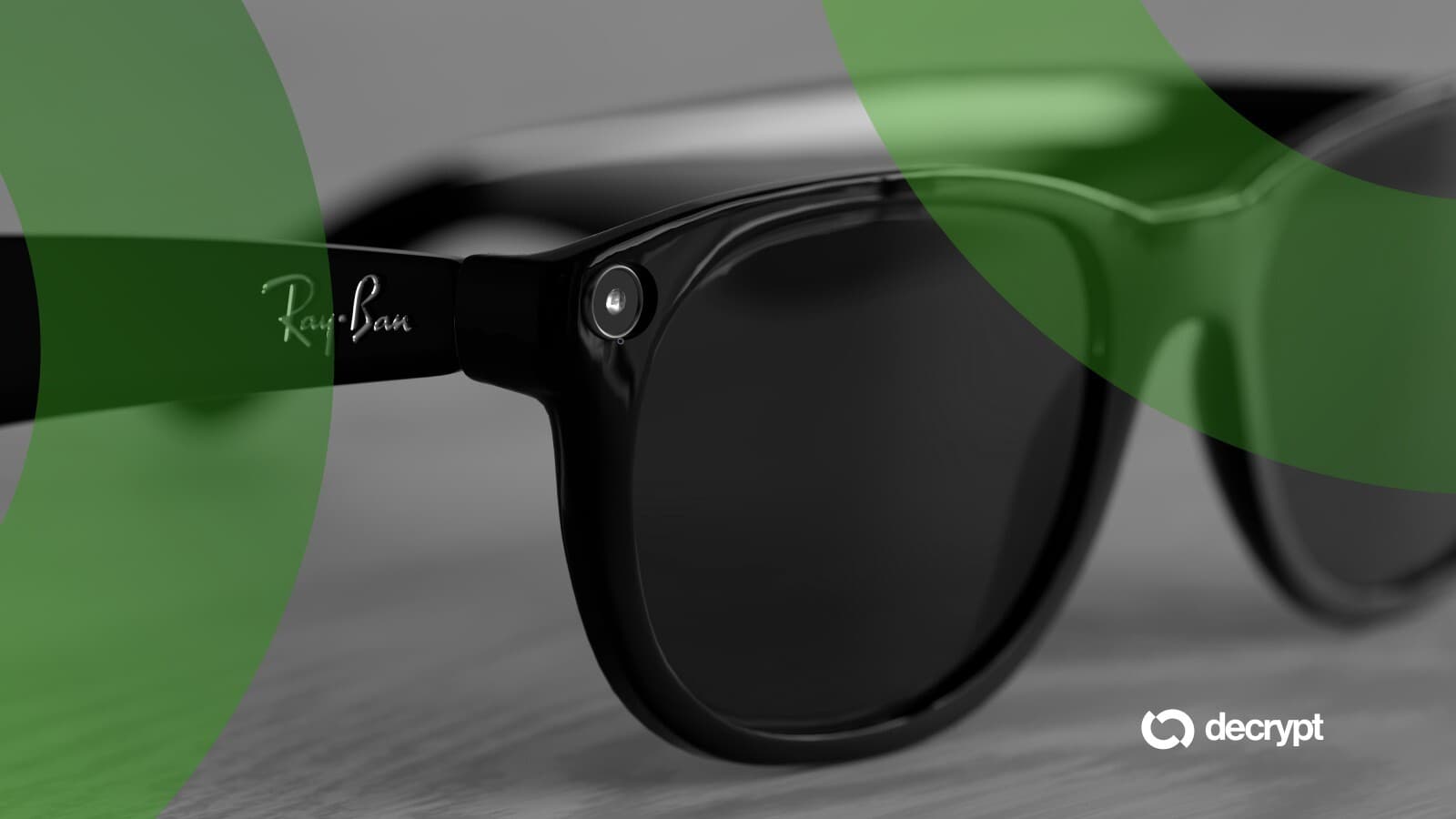
Meta's push into wearable AI is colliding hard with reality. The company's smart glasses initiative—which critics are calling "pervert glasses"—has become a lightning rod for privacy concerns, drawing lawsuits, formal complaints, secret recording allegations, and government investigations that threaten to derail the entire product category.
The Privacy Problem Meta Created
Here's the core issue: Meta's AI glasses come equipped with cameras. That alone wouldn't be controversial, but the ability to record video and audio without obvious visual indicators has triggered alarm bells across privacy advocates, lawmakers, and enforcement agencies.
We're watching a textbook case of technology outpacing regulation. Meta built the glasses first, asked permission later—a strategy that's increasingly risky in the crypto and tech space where regulatory scrutiny is reaching fever pitch. The company's failure to implement clear consent mechanisms and visual recording indicators has made the glasses a perfect target for privacy litigation.
Lawsuits and Formal Complaints Mount
Multiple lawsuits have been filed against Meta over the glasses, with plaintiffs alleging that the devices enable unauthorized recording and violate wiretapping laws. These aren't fringe complaints—they're backed by substantive legal theories that could set precedent for how wearable tech is regulated going forward.
Privacy organizations have filed formal complaints with government agencies, arguing that Meta violated established privacy standards. The complaints center on the lack of disclosure mechanisms: people don't necessarily know when they're being recorded, which creates a fundamental consent problem.
Government Investigations: The Real Threat
What should genuinely concern Meta investors: government investigations are underway. Regulatory bodies in multiple jurisdictions are scrutinizing whether the glasses violate existing wiretapping statutes, privacy laws, and consumer protection regulations. This isn't theoretical—enforcement could mean product bans, fines, or mandatory redesigns.
The Federal Trade Commission and international regulators have shown zero tolerance for privacy violations in hardware. If they determine Meta deliberately obscured recording capabilities or failed to implement reasonable safeguards, penalties could be substantial.
The Secret Recording Allegations
Reports have emerged suggesting the glasses have been used for unauthorized recordings, which validates critics' worst fears about the product design. These aren't hypothetical scenarios—actual documented instances of surveillance create legal liability and provide ammunition for regulators pushing for stricter controls.
What This Means for Crypto and AI Investment
The Meta glasses controversy matters beyond just this one product. It signals that hardware + AI + surveillance capabilities = regulatory nightmare. This pattern will likely influence how crypto-adjacent AI projects approach privacy, hardware integration, and data collection.
For portfolio managers and traders monitoring the intersection of crypto, AI, and hardware innovation, this is a cautionary tale: first-mover advantage means nothing if regulators crush your product before it scales.
Alpha Take
Meta's AI glasses represent a critical failure in responsible product development—the company prioritized features over privacy protections and is now facing predictable legal and regulatory consequences. Investors should monitor how this saga unfolds, as it will shape regulatory frameworks for any future wearable tech that combines biometric data collection with crypto or decentralized protocols. The broader lesson: hardware + surveillance + weak consent mechanisms = regulatory target, regardless of the company's market dominance.
Originally reported by
Decrypt
Not financial advice. Crypto investing involves significant risk. Past performance does not guarantee future results. Always do your own research.