
Meta's Smart Glasses Pose Growing Security Risk to US Law Enforcement, Internal Memos Reveal
Law enforcement agencies across the United States are raising red flags about Meta's Ray-Ban smart glasses, concerned the devices could facilitate covert surveillance operations inside sensitive facilities. Internal communications obtained from the New York Police Department to Homeland Security de
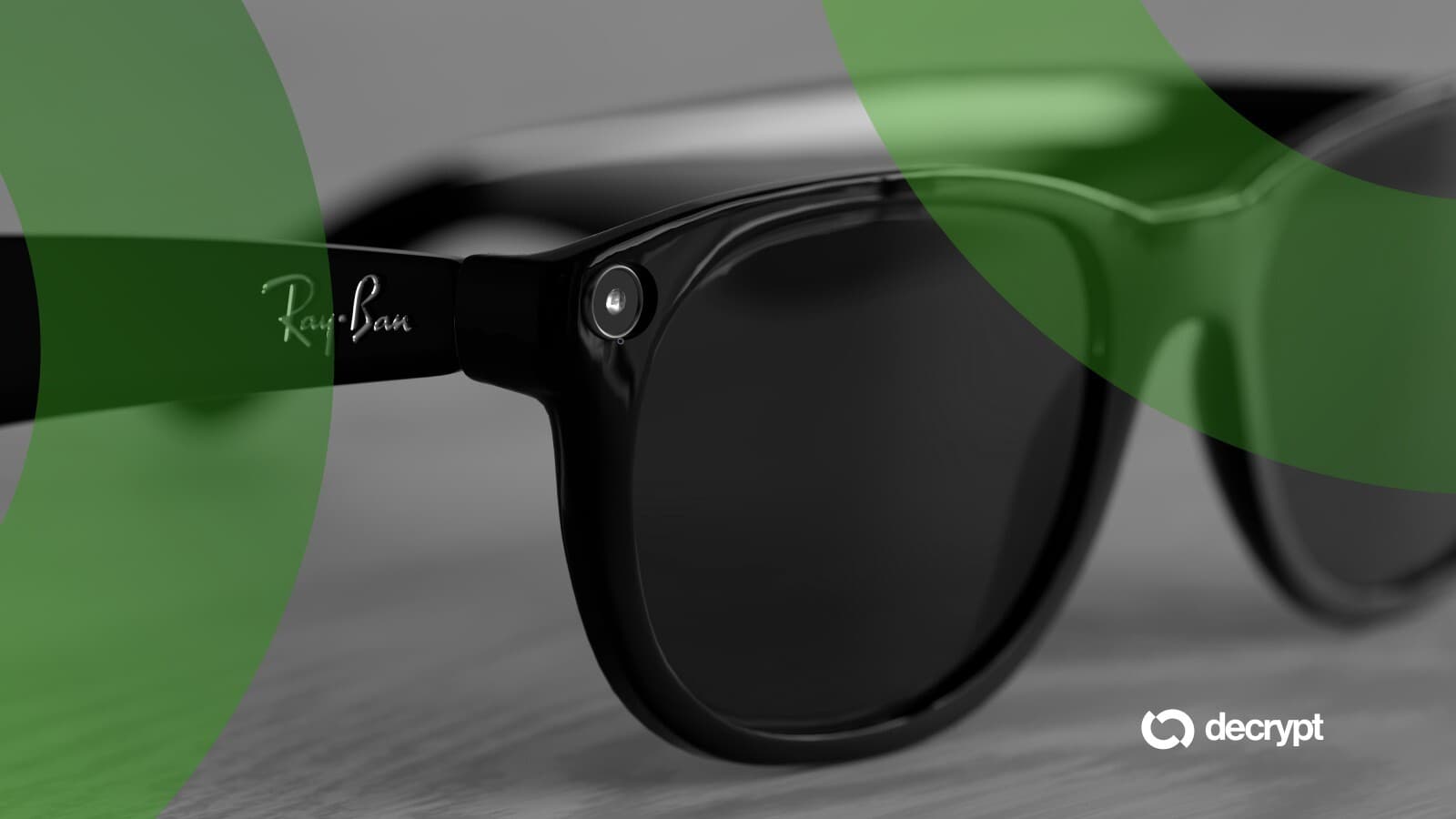
Law enforcement agencies across the United States are raising red flags about Meta's Ray-Ban smart glasses, concerned the devices could facilitate covert surveillance operations inside sensitive facilities. Internal communications obtained from the New York Police Department to Homeland Security detail worries that the camera-equipped glasses represent an unprecedented security vulnerability for police operations.
The core concern centers on the glasses' built-in camera capabilities and their potential for surreptitious recording. NYPD memos to Homeland Security specifically warn that bad actors could use the devices to film inside jails and police facilities without detection. Unlike traditional cameras, Meta's smart glasses blend seamlessly with everyday eyewear, making it nearly impossible for security personnel to identify whether someone is actively recording.
The intelligence sharing suggests this isn't isolated paranoia—multiple agencies are grappling with the same threat vectors. Jails represent particularly sensitive environments where recording could compromise facility security, expose officer identities, document inmate locations, or reveal operational procedures that criminals could exploit. Police facilities face similar risks, where internal investigations, witness information, or tactical planning could be compromised by unauthorized recordings.
What makes these devices particularly problematic is their sophisticated feature set. Meta's Ray-Ban glasses can stream video directly to smartphones, store footage, and transmit data wirelessly. The seamless integration with Meta's ecosystem means recordings could be instantly uploaded to cloud storage or shared across networks before security protocols could intervene. This real-time connectivity amplifies the threat beyond traditional hidden cameras, which require physical retrieval to access footage.
The practical enforcement challenge is significant. Officers can't simply ban employees and visitors from wearing glasses—that's neither realistic nor legally defensible. Standard metal detectors won't catch the devices since they're primarily plastic. Body cavity searches aren't proportionate responses. Yet allowing unrestricted smart glass usage creates genuine operational security gaps.
This memo circulation suggests agencies are beginning to formalize their responses. By alerting Homeland Security, the NYPD is escalating the issue beyond individual departments, signaling that smart glasses require coordinated policy responses. Other agencies likely face identical dilemmas with Meta's products and competing devices from Apple, Google, and others entering the smart eyewear market.
The policy implications extend beyond just law enforcement facilities. Federal buildings, military installations, and classified areas face the same risks. As smart glasses become mainstream consumer products—complete with improved battery life, better optics, and seamless integration—the security perimeter around sensitive facilities becomes increasingly difficult to maintain.
Meta hasn't commented directly on law enforcement concerns, though the company maintains robust privacy safeguards within its products. The real-world tension here is unavoidable: consumer technology companies build devices consumers want, while security agencies need to prevent misuse of those same technologies.
Alpha Take
This represents a genuine operational security headache for authorities, not theoretical paranoia. As smart glasses proliferate in consumer markets, expect more memo exchanges among federal agencies and likely some formal policy responses from government facilities. For crypto and blockchain security professionals monitoring this space, it's a useful reminder that hardware vulnerabilities and surveillance risks apply across all industries—including the crypto exchanges and custody facilities that house digital assets worth hundreds of billions. Smart glasses could become unintended data exfiltration tools.
Originally reported by
Decrypt
Not financial advice. Crypto investing involves significant risk. Past performance does not guarantee future results. Always do your own research.