
Meta's Zuckerberg Rejects Calls for Industry-Wide AI Brakes, Argues Labs Should Move Solo
Meta CEO Mark Zuckerberg is pushing back hard against proposals for coordinated AI slowdowns, insisting that market competition and legal exposure already incentivize safety without needing industry-wide agreements. Speaking on the topic, Zuckerberg argued that individual AI labs have sufficient m
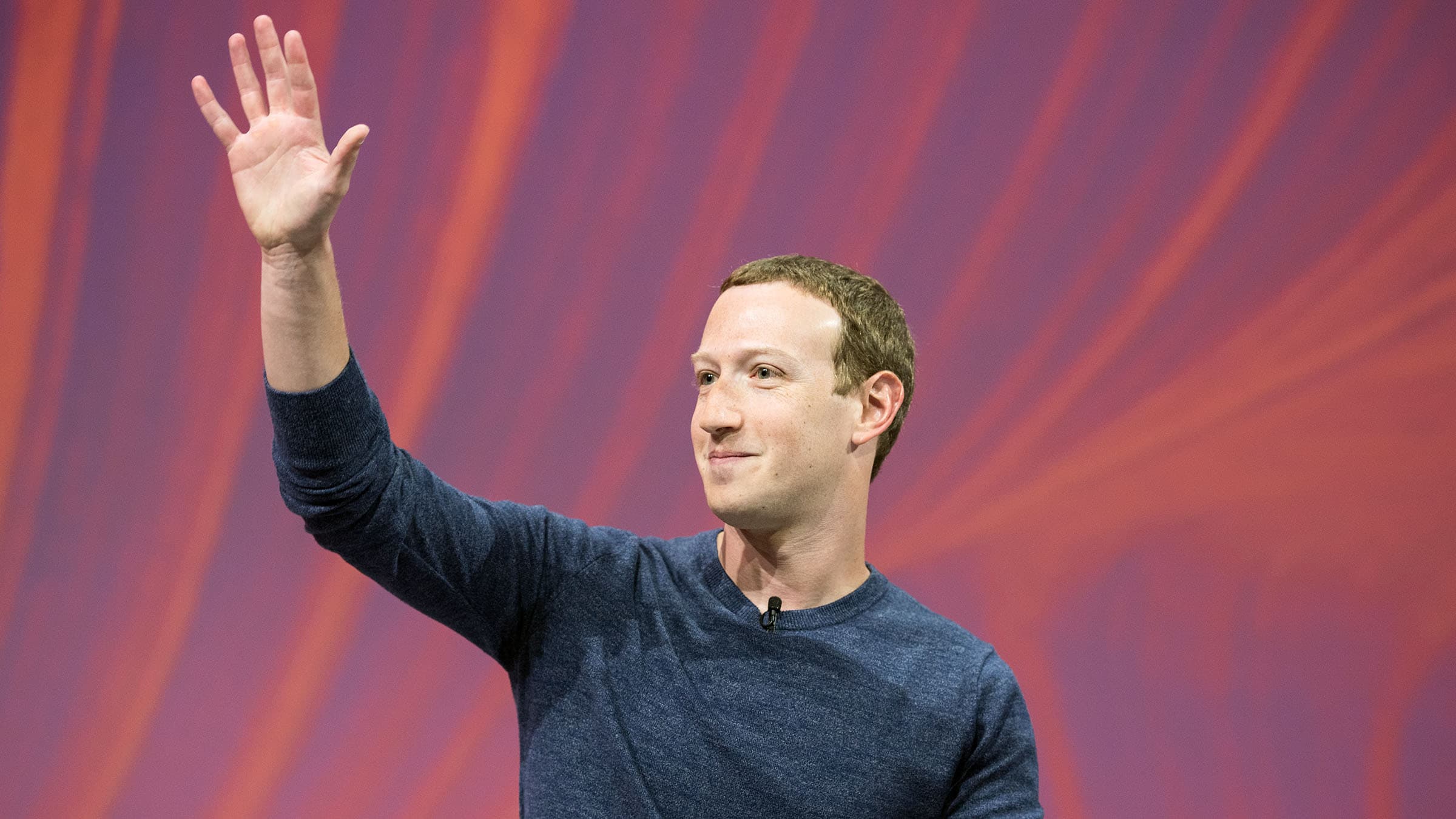
Meta CEO Mark Zuckerberg is pushing back hard against proposals for coordinated AI slowdowns, insisting that market competition and legal exposure already incentivize safety without needing industry-wide agreements.
Speaking on the topic, Zuckerberg argued that individual AI labs have sufficient motivation to prioritize safety measures independently. The competitive pressure and potential liability concerns create a natural regulatory environment that doesn't require formal coordination between companies.
"I think the market will naturally incentivize companies to be responsible," Zuckerberg essentially argued, suggesting that concern over both competitive disadvantage and legal consequences gives AI developers inherent reasons to build safely without external mandates.
Competition as a Safety Driver
The Meta boss highlighted how competitive dynamics in the AI space work against reckless development. Labs racing to deploy powerful models face reputational damage and legal exposure if their systems cause harm—creating what Zuckerberg sees as sufficient pressure to do things right the first time.
This framing matters for crypto and broader tech markets. If AI safety relies on individual company incentives rather than coordinated industry standards, it could shape everything from regulatory expectations to how investors assess risk in AI-focused portfolios and trading strategies.
The Muse Precedent
Zuckerberg pointed to Meta's own experience as evidence. The company delayed its Muse model release, citing safety considerations. Rather than viewing this as a failure or slowdown, Zuckerberg presented it as an example of how individual labs make responsible decisions when market incentives align.
This move demonstrated Meta's willingness to absorb competitive costs—at least temporarily—to address safety concerns. It's a data point that supports his thesis: companies don't need external coordination to act responsibly when self-interest and liability concerns are in play.
Implications for Market Intelligence
The distinction matters for crypto market analysis and broader trading strategy. Coordinated slowdowns would suggest a centralized approach to AI development with predictable timelines and benchmarks. Independent action means faster, messier innovation—potentially better for competition but with more volatility and uncertainty.
Investors tracking AI exposure through crypto positions or tech stocks should note this philosophical divide. It suggests Meta (and potentially other large labs) will continue pushing aggressive timelines while managing safety internally rather than accepting external constraints.
The Broader Pushback
Zuckerberg's stance reflects growing tension between AI safety advocates who want formal coordination and tech leaders who believe market forces suffice. The Meta CEO's position essentially argues that liability law and competitive dynamics create a more efficient regulatory mechanism than industry agreements.
Whether that's accurate remains hotly debated among safety researchers and technologists. But from a market intelligence perspective, it signals Meta's commitment to aggressive AI development within what the company deems safe operational parameters.
Alpha Take
We're watching a fundamental disagreement about AI governance play out in real time—one that could reshape both the industry and crypto markets tied to AI infrastructure. Zuckerberg's rejection of coordinated slowdowns suggests Meta will continue rapid innovation cycles, creating both opportunity and unpredictability. Traders should treat AI safety announcements as potential catalysts for volatility rather than reliable development timelines.
Originally reported by
Decrypt
Not financial advice. Crypto investing involves significant risk. Past performance does not guarantee future results. Always do your own research.