
MEV Bot Thwarts $7.7M Theft in Unexpected Twist, Kelp's Swift Response Prevents Further Damage
An intriguing turn of events unfolded in the crypto market when an MEV (Maximal Extractable Value) bot known as "Yoink" successfully intercepted a sophisticated attack targeting Kelp's liquid staking infrastructure. The bot captured approximately $7.
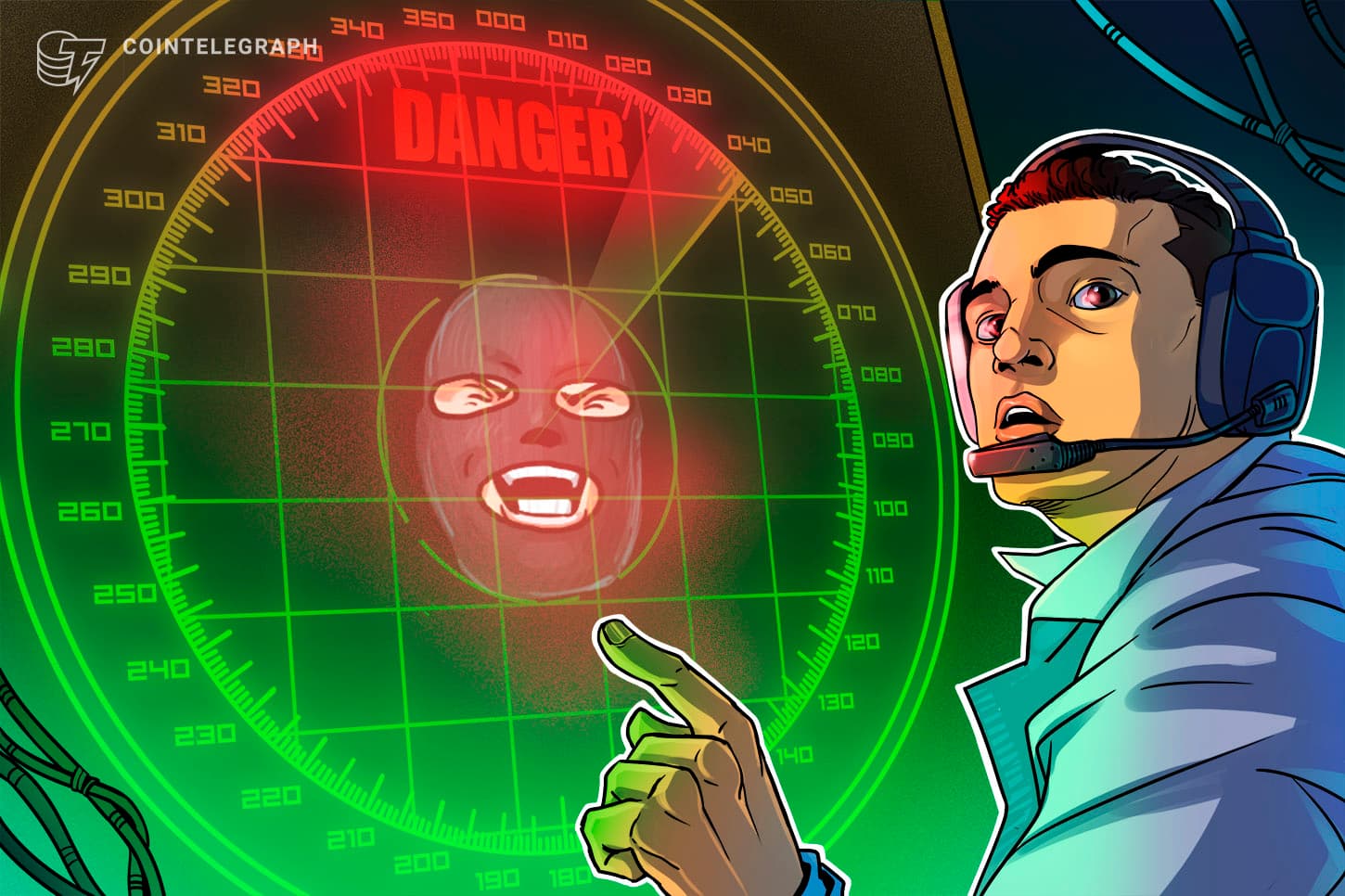
An intriguing turn of events unfolded in the crypto market when an MEV (Maximal Extractable Value) bot known as "Yoink" successfully intercepted a sophisticated attack targeting Kelp's liquid staking infrastructure. The bot captured approximately $7.7 million in stolen rsETH tokens before Kelp could implement defensive measures, including temporarily freezing the compromised address.
The Attack and Interception
The attack vector was deliberately complex: a malicious actor attempted to exploit a custom Safe module vulnerability to siphon rsETH tokens. However, the attacker's scheme encountered an unexpected obstacle—the Yoink MEV bot front-ran the exploit, essentially outmaneuvering the original attacker by prioritizing its own transaction first. This created a situation where the MEV bot extracted value by capturing the stolen tokens mid-exploit, preventing them from reaching the attacker's intended destination.
From a crypto trading perspective, this represents exactly how blockchain's transparent, permissionless nature can create chaotic but sometimes beneficial outcomes. MEV bots constantly scan the mempool for profitable opportunities, and in this case, one happened to intercept what could have been a catastrophic loss for Kelp's users.
Kelp's Response
Kelp moved decisively once the breach was detected, implementing a temporary freeze on the address receiving the stolen funds. This quick action, though limited in scope, bought critical time for investigation and remediation efforts. The team's rapid response demonstrates why community trust remains essential in liquid staking protocols—delays in addressing security incidents can spark mass redemptions and protocol instability.
The rsETH token, which represents Kelp's liquid staking derivative, maintains a core function in Ethereum's staking ecosystem. Any breach threatening its integrity directly affects thousands of portfolios holding these assets, making swift communication and transparent action paramount.
Broader Security Implications
This incident highlights a rarely discussed aspect of MEV bots: they can sometimes act as accidental security layers within crypto markets. While MEV bots are typically criticized for extracting value and causing inefficiencies, their constant scanning of blockchain transactions occasionally catches malicious activity. This doesn't excuse predatory MEV practices, but it reveals the complexity of decentralized finance.
For Kelp specifically, this serves as a wake-up call regarding custom module security. Safe modules—customizable plugins that extend Smart Contract Wallet functionality—require rigorous auditing. A single vulnerability in these architectural components can expose significant value to sophisticated attackers.
Market Impact
The incident caused brief market jitters within the liquid staking sector, though the $7.7M capture and subsequent freeze prevented what could have been a far more damaging scenario. rsETH trading volume showed temporary spikes as investors assessed exposure, though major liquidation cascades were avoided.
Alpha Take
This attack-interception sequence demonstrates the brutal efficiency of permissionless blockchains where even malicious actors face genuine competition. While Kelp's freeze mitigation was necessary, the underlying incident underscores why rigorous security audits for custom Safe modules matter—especially when they're protecting liquid staking derivatives worth hundreds of millions. Investors should view this as both a market intelligence signal and a reminder that not all MEV is created equal; sometimes it prevents disasters.
Originally reported by
CoinTelegraph
Not financial advice. Crypto investing involves significant risk. Past performance does not guarantee future results. Always do your own research.