
MEV Exploit Drains $2M From Trader in Sophisticated Same-Block Attack
A trader just got hit with a $2 million loss in what the community is calling a "same-block backrun extraction" exploit—and the brutal part? It was entirely preventable.
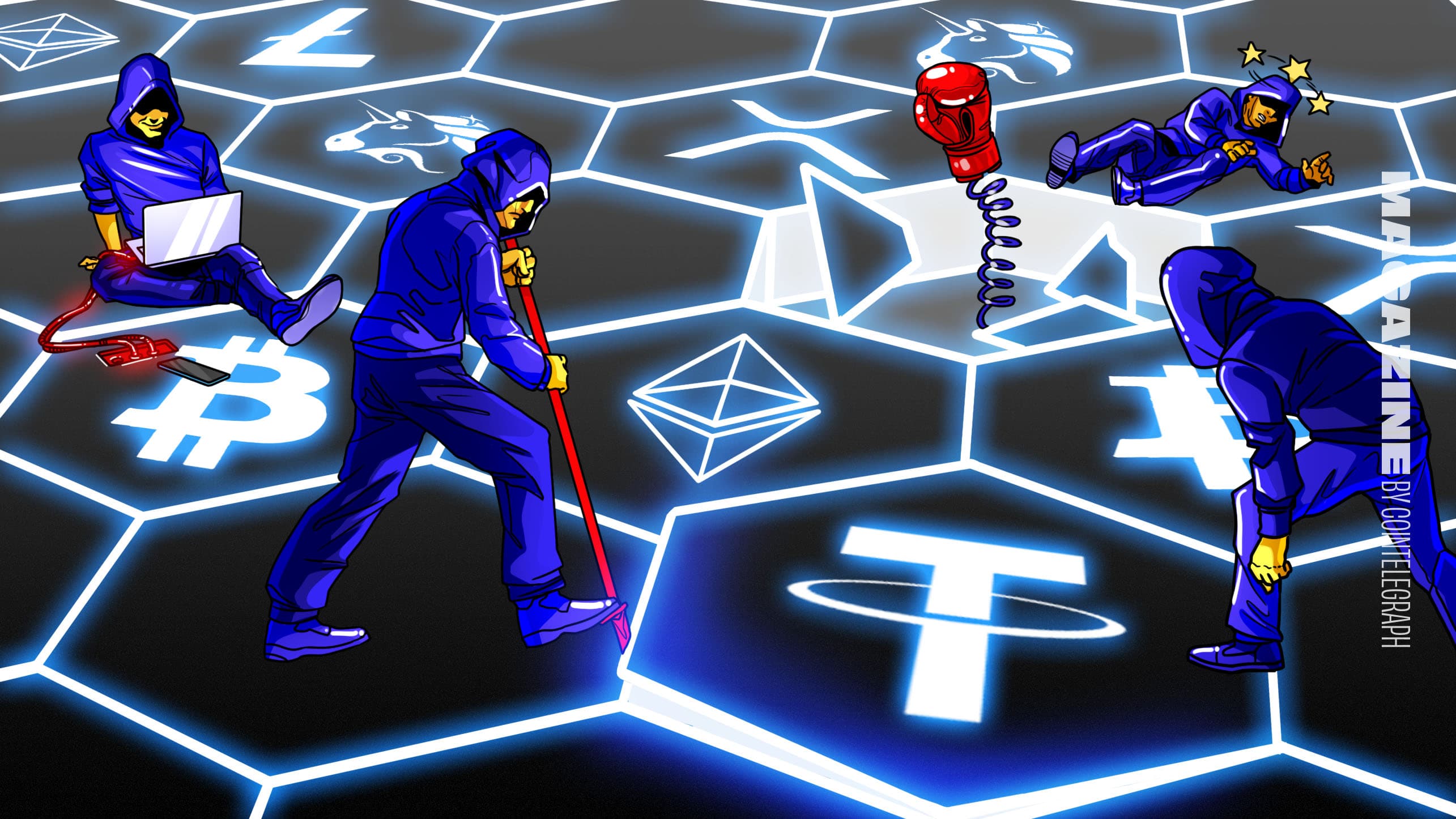
A trader just got hit with a $2 million loss in what the community is calling a "same-block backrun extraction" exploit—and the brutal part? It was entirely preventable.
Here's what went down: The victim executed a transaction on-chain without properly reviewing the routing details before signing. This oversight proved catastrophic, as a sophisticated MEV (maximal extractable value) attacker exploited the exposed transaction to execute a backrun extraction in the same block.
The Vulnerability: Blind Signing Strikes Again
The incident underscores a persistent problem in crypto trading: users often rush through transactions without understanding what they're actually approving. In this case, the trader didn't verify the transaction route before hitting the sign button—a critical mistake when dealing with DEX swaps, liquidity routing, or complex DeFi interactions.
Same-block backrunning occurs when a MEV bot observes a pending transaction in the mempool, then crafts a second transaction that executes immediately after the original within the same block. The attacker essentially sandwiches the trader's transaction, manipulating prices or redirecting funds in their favor.
Why This Matters for Your Portfolio
This wasn't a smart contract vulnerability or zero-day exploit. It was social engineering meets on-chain execution. The attacker likely:
1. Identified the pending transaction in the public mempool 2. Calculated profitable extraction routes based on the victim's transaction parameters 3. Executed the backrun with superior gas bidding or MEV-enabled ordering
The $2 million hit represents real capital lost to a well-understood attack vector that experienced traders actively mitigate.
Prevention Is Your Job
Analysts covering this incident emphasize that users must adopt basic operational security (OpSec) before executing any significant crypto transaction:
- •Review transaction routes in full before signing—don't just skim the summary
- •Use MEV protection services like MEV-resistant relays or private mempools
- •Split large trades across multiple blocks to avoid telegraphing your position
- •Verify slippage tolerances match your risk appetite
- •Consider timing for large orders during lower mempool congestion
The victim had every tool available to prevent this loss. The attacker didn't exploit code—they exploited negligence.
Alpha Take
This $2M extraction serves as a hard reminder that crypto security extends far beyond hardware wallets and seed phrase management. When executing trades or complex DeFi interactions, transaction routing is a first-class security concern. Always review the full transaction path before signing. For traders moving significant capital, MEV-protected infrastructure isn't optional—it's table stakes. If you're not actively protecting against same-block extraction techniques, you're essentially handing attackers an invitation to your wallet.
Originally reported by
CoinTelegraph
Not financial advice. Crypto investing involves significant risk. Past performance does not guarantee future results. Always do your own research.