
Mining's New Frontier: Why Bitcoin Miners Are Betting Big on AI
Bitcoin miners aren't waiting for the next halving cycle to save their margins—they're pivoting hard into AI infrastructure. This shift marks a fundamental pivot in how the industry views its core business, and the numbers suggest it's not just hype.
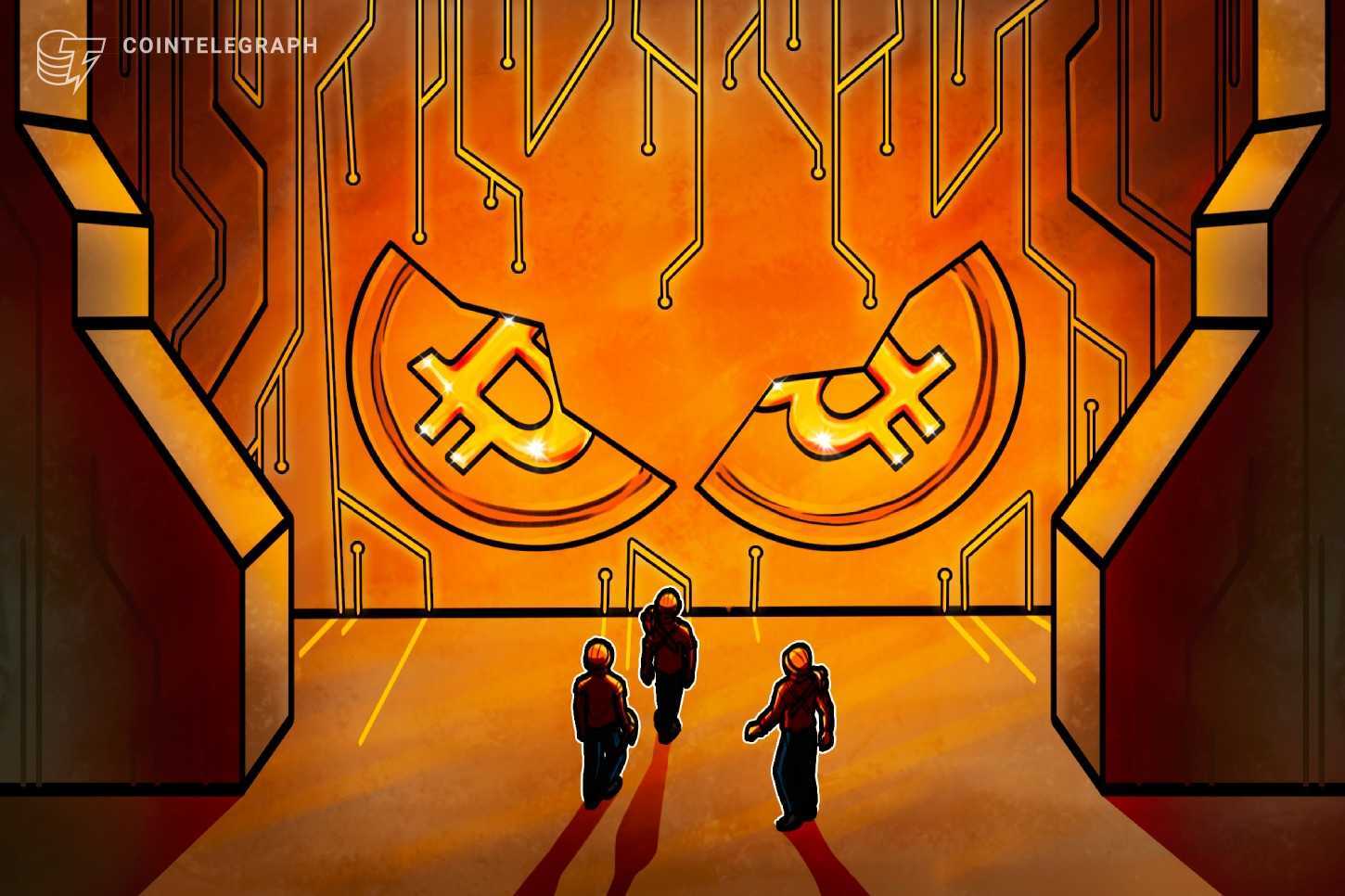
Bitcoin miners aren't waiting for the next halving cycle to save their margins—they're pivoting hard into AI infrastructure. This shift marks a fundamental pivot in how the industry views its core business, and the numbers suggest it's not just hype.
The Mining-to-AI Pivot
We're watching major mining operations explore AI compute as a diversification play. The thesis is straightforward: bitcoin mining hardware generates consistent hash power, but AI training demands massive compute resources. Miners sitting on state-of-the-art ASIC rigs are now exploring how to monetize idle capacity or transition equipment toward high-margin AI workloads.
This isn't miners abandoning crypto entirely—it's recognizing that energy-intensive operations need multiple revenue streams. The math works: AI compute utilization rates can rival mining profitability while spreading risk across different market cycles. For publicly traded miners especially, this diversification story resonates with institutional investors nervous about bitcoin's volatility.
Tokenized RWAs Hit Fresh Milestone
Meanwhile, tokenized real-world assets (RWAs) just crossed $43 billion in total value locked. This figure represents serious institutional money moving on-chain. We're not talking about fringe experiments anymore—this includes bond tokenization, real estate, and commodity-backed instruments.
The RWA growth trajectory matters for crypto's broader legitimacy narrative. When traditional finance infrastructure gets represented on blockchain, it validates the underlying tech thesis. Banks and asset managers aren't tokenizing assets because of retail FOMO—they're doing it because the efficiency gains are real.
Ripple Expands African Payments Play
Ripple's pushing deeper into African markets with its payments network. This is strategic positioning in an underbanked continent where crypto adoption naturally thrives. Africa's remittance corridors are notoriously inefficient, and blockchain-based solutions offer genuine utility—not speculation.
Ripple's network expansion matters because it demonstrates how crypto infrastructure solves real problems outside wealthy nations. When trading crypto analysis in emerging markets, understanding regional payment flows becomes critical for portfolio decisions.
SBF's Appeal Denied
Sam Bankman-Fried's latest appeal attempt has been rejected. The FTX founder's legal battles continue grinding through the system, cementing one of crypto's messiest legacy stories. This keeps regulatory scrutiny elevated across the industry.
For traders tracking market intelligence on regulatory risk, the SBF saga remains cautionary. It reinforces that compliance failures extract real costs—both legally and reputationally.
Alpha Take
The crypto market is reshaping around practical utility: miners monetizing AI infrastructure, traditional assets tokenizing on-chain, and payment networks solving real problems in emerging markets. Bitcoin and ethereum remain core, but the real alpha this cycle flows toward projects with tangible revenue models and operational infrastructure. Watch mining company earnings closely—their AI revenue mix will signal whether this pivot is sustainable or opportunistic.
Originally reported by
CoinTelegraph
Not financial advice. Crypto investing involves significant risk. Past performance does not guarantee future results. Always do your own research.