
MoneyGram Bridges Fiat and Solana: Ramps Service Brings Cash On/Off-Ramps to SOL Ecosystem
MoneyGram is doubling down on its crypto infrastructure play. The remittance giant just expanded its Ramps service to Solana, creating direct fiat-to-crypto pathways for the SOL ecosystem's growing user base.
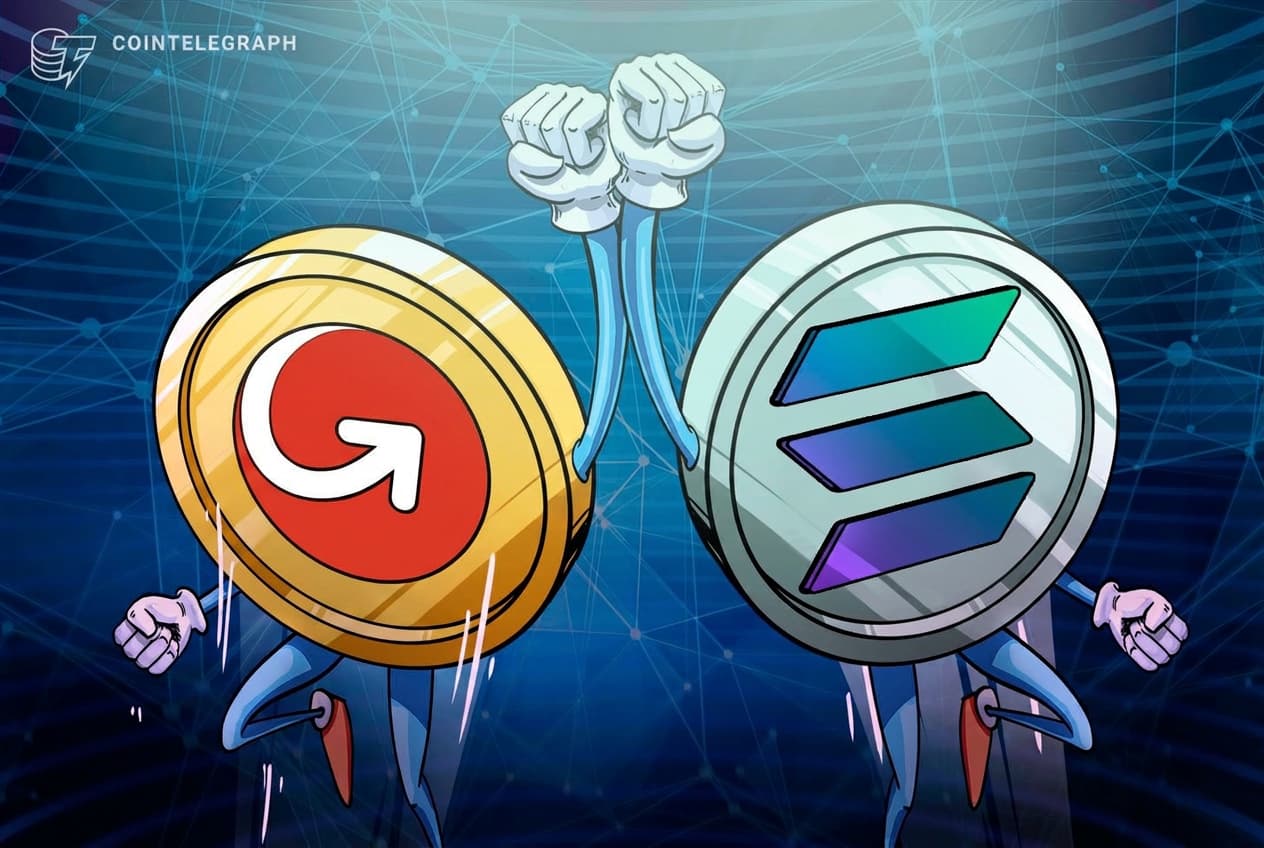
MoneyGram is doubling down on its crypto infrastructure play. The remittance giant just expanded its Ramps service to Solana, creating direct fiat-to-crypto pathways for the SOL ecosystem's growing user base.
Here's what matters: Rift wallet is the first integration partner, giving Solana users a genuine on/off-ramp to convert traditional currency into crypto and back again. This isn't trivial infrastructure—it's the plumbing that lets ordinary users actually move money between traditional finance and blockchain networks without friction.
Why This Move Matters
MoneyGram's existing cash network spans 350+ countries. By connecting Solana wallets to that infrastructure, they're essentially retrofitting legacy financial rails to serve modern crypto applications. The Ramps service acts as the bridge layer, translating fiat deposits and withdrawals into SOL transactions.
Rift's integration signals confidence in MoneyGram's execution. The wallet becomes an early mover advantage play—users can now directly fund their Rift holdings through MoneyGram's established distribution channels, which include physical locations, banks, and digital partners worldwide.
Solana's Infrastructure Expansion
We're watching Solana attract serious institutional plumbing lately. The network's transaction speed and cost structure make it attractive for payment-layer applications that larger blockchains struggle with. Adding MoneyGram's reach to Solana's ecosystem reinforces the narrative that SOL isn't just a trading vehicle—it's positioning itself as actual payment infrastructure.
The Ramps expansion also addresses one of crypto's persistent adoption barriers: getting fiat in and out cleanly. Most retail users still find this unnecessarily painful. MoneyGram's global footprint removes that friction point, particularly in emerging markets where the company already has deep operational roots.
What's Next
We should expect more wallet integrations on Ramps shortly. If Rift's integration proves smooth, other Solana wallets will likely demand parity with their users. This could create a competitive moat for early adopters while pressuring later entrants to differentiate elsewhere.
The bigger picture: traditional finance companies are selectively building bridges into crypto rather than competing directly. MoneyGram's strategy—leveraging existing infrastructure to serve new networks—is pragmatic. They're not trying to become a crypto company; they're monetizing their existing competitive advantages (global presence, regulatory licensing, cash handling) within the crypto ecosystem.
For trading purposes, watch whether this integration drives meaningful SOL utility metrics. Real on/off-ramp usage would signal genuine adoption beyond speculation. And monitor whether regulatory scrutiny increases—fiat connections always attract regulators' attention.
Alpha Take
MoneyGram's Ramps expansion to Solana removes a real barrier to crypto adoption while leveraging the company's existing strengths. The Rift integration validates the model, but success depends on whether users actually adopt this on/off-ramp over competing solutions. This is exactly the type of unglamorous infrastructure play that matters more for long-term ecosystem health than the latest token launch—watch the actual transaction volume data, not just the announcement.
Originally reported by
CoinTelegraph
Not financial advice. Crypto investing involves significant risk. Past performance does not guarantee future results. Always do your own research.