
Morgan Stanley Doubles Down on Alt-Crypto ETPs, Adds Ether and Solana to Institutional Arsenal
Morgan Stanley is making a serious institutional push into alternative cryptocurrencies. The investment banking giant just expanded its crypto lineup with new exchange-traded products (ETPs) tracking Ether and Solana—a strategic move that signals growing appetite from traditional finance for divers
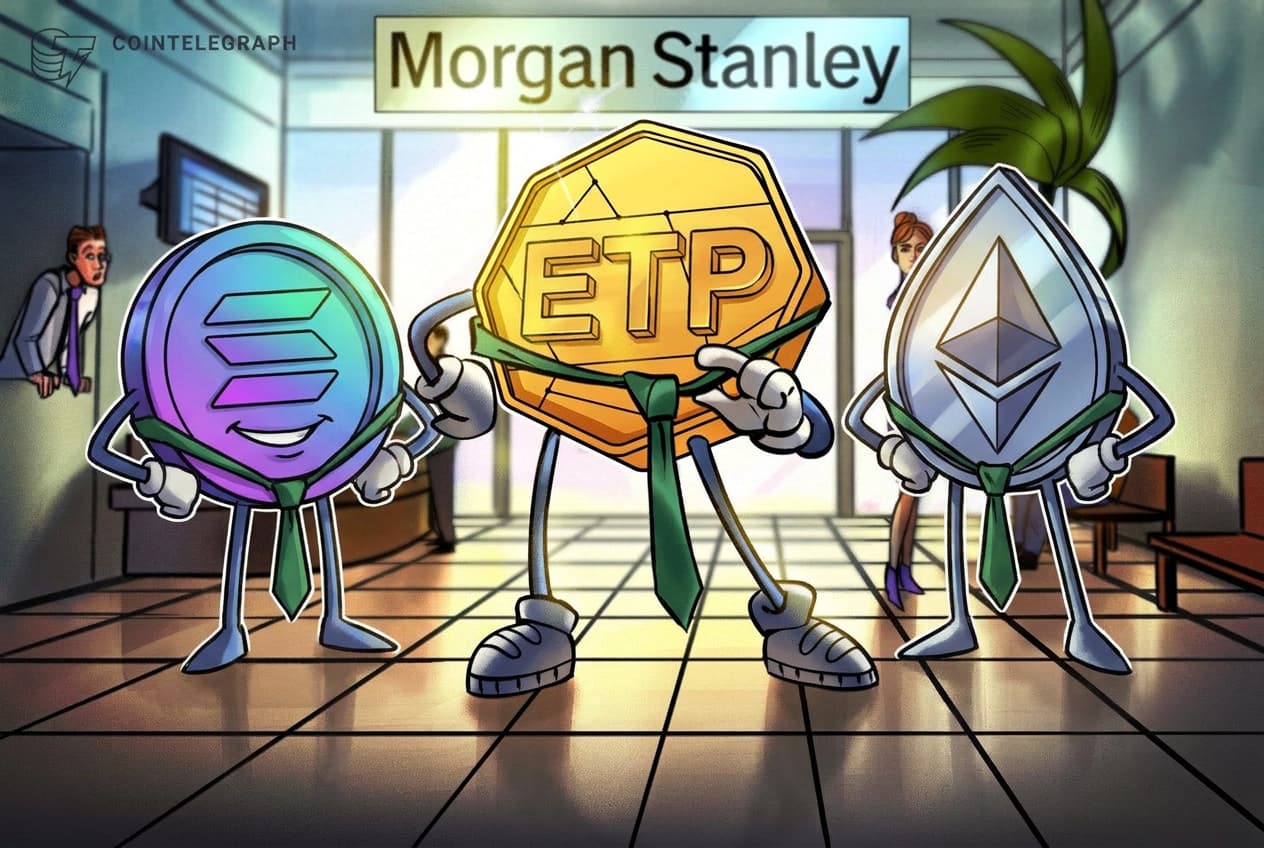
Morgan Stanley is making a serious institutional push into alternative cryptocurrencies. The investment banking giant just expanded its crypto lineup with new exchange-traded products (ETPs) tracking Ether and Solana—a strategic move that signals growing appetite from traditional finance for diversified digital asset exposure beyond Bitcoin.
These new ETPs follow Morgan Stanley's Bitcoin fund that launched earlier this year, marking the firm's systematic approach to building a comprehensive crypto offering for its institutional and wealth management clients. The products represent a significant moment for both Ethereum and Solana adoption in the traditional finance space.
What the New Products Offer
The Ether and Solana ETPs come with a notable feature: built-in staking rewards. This isn't just passive crypto exposure—Morgan Stanley is structuring these products to generate yield, which makes them more attractive to institutional investors hunting for returns in their portfolio allocations. The staking mechanism essentially allows investors to earn rewards on their holdings while maintaining traditional ETP wrapper convenience.
This yield-generating structure is critical for institutional adoption. Fund managers running large portfolios need more than just price appreciation; they need income streams and diversified return sources. By integrating staking directly into the ETPs, Morgan Stanley removes friction for institutions wanting crypto exposure without managing the technical complexity of running validator nodes themselves.
The Institutional Crypto Moment
Morgan Stanley's expansion into Ether and Solana ETPs reflects a broader shift in how legacy finance approaches crypto. The firm isn't treating these as experimental products—they're being rolled out with the same institutional-grade infrastructure as traditional equity or bond ETPs. This matters because it signals confidence in both Ethereum's ecosystem staying power and Solana's recovery narrative after its various network challenges.
The timing is particularly interesting for Solana, which has faced significant scrutiny over network stability and validator centralization concerns. Morgan Stanley's endorsement through an institutional ETP could help rehabilitate Solana's reputation among conservative wealth managers who've been cautious about the ecosystem.
Why This Matters for Crypto Markets
For Bitcoin, Ethereum, and Solana holders, institutional products like these typically precede meaningful inflows. Every new on-ramp from a major financial institution reduces friction for capital deployment. Morgan Stanley isn't a small player—its wealth management division oversees trillions in assets. Even modest allocation percentages toward these crypto ETPs could translate to significant capital flows.
The products also represent validation of the broader crypto thesis within traditional finance. Morgan Stanley's research team and risk management clearly believe these assets deserve institutional-grade treatment. That kind of institutional credibility accelerates adoption curves.
Alpha Take
Morgan Stanley's systematic rollout of Bitcoin, Ether, and Solana ETPs demonstrates that institutional crypto adoption isn't hype—it's infrastructure being built. The inclusion of staking rewards in the Ether and Solana products shows sophisticated product design aimed at institutional yield requirements. Watch for similar announcements from other major banking players; when Morgan Stanley moves this decisively, competitors typically follow within quarters, potentially accelerating capital flows into these crypto assets.
Originally reported by
CoinTelegraph
Not financial advice. Crypto investing involves significant risk. Past performance does not guarantee future results. Always do your own research.