
Moscow's Decade-Long Crypto Mining Ban: What It Means for Russian Bitcoin Operations
Russia's Moscow region just threw down the gauntlet on cryptocurrency mining. Regional energy officials have formally banned all crypto mining operations through 2032—a decision grounded in legitimate power infrastructure concerns that deserve scrutiny.
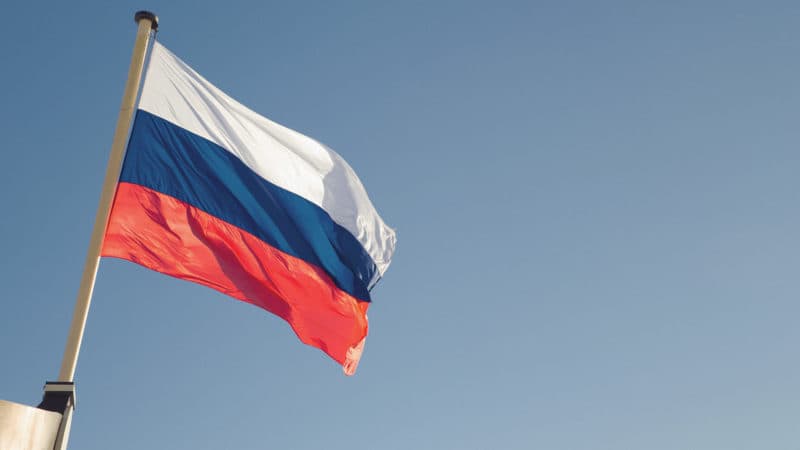
Russia's Moscow region just threw down the gauntlet on cryptocurrency mining. Regional energy officials have formally banned all crypto mining operations through 2032—a decision grounded in legitimate power infrastructure concerns that deserve scrutiny.
Here's the core issue: mining currently consumes approximately 1 GW of power across the region, and local authorities worry this consumption could exacerbate future electricity shortages. That's not insignificant. For context, 1 GW powers roughly 750,000 homes in developed markets. When you're dealing with an already-strained grid, that kind of draw matters.
The Energy Crunch Reality
This isn't bureaucratic theater. Moscow's energy officials conducted actual capacity assessments and determined that continued mining expansion poses genuine infrastructure risks. The 12-year timeline (through 2032) suggests they're not treating this as a temporary measure—they're planning around a structural problem they believe will persist.
The ban creates immediate disruption for mining operations currently running in the region. Operators face a hard deadline to relocate infrastructure, shut down operations, or find alternative jurisdictions. That's a material cost that factors into mining profitability calculations across the entire Russian crypto ecosystem.
What This Signals for Crypto Mining Geography
This Moscow decree reveals how institutional energy concerns are reshaping crypto mining's global footprint. We've watched similar dynamics play out in other regions: environmental pressure in Iceland, regulatory crackdowns in China, policy shifts in North America. Mining follows electricity arbitrage, but it also follows regulatory permission.
Russia previously positioned itself as a potential mining hub due to abundant hydroelectric and natural gas resources. This ban chips away at that narrative, at least for Moscow's densely populated region. Miners will likely redirect operations toward less regulated Russian territories or seek greener pastures elsewhere.
The Broader Bitcoin and Ethereum Implications
From a macro crypto analysis perspective, this matters less for immediate price action and more for long-term network security assumptions. Bitcoin and Ethereum mining hash rate depends on geographic distribution and sustained profitability. Regional bans consolidate mining in fewer jurisdictions, which can create concentration risks and regulatory vulnerability.
We're also watching how different governments calibrate their energy policies against crypto's infrastructure demands. Moscow's ban reflects a prioritization of domestic power availability over potential crypto tax revenue and economic activity. That's a revealing policy choice—and one we suspect other energy-constrained regions might emulate.
Alpha Take
Moscow's mining ban through 2032 illustrates a growing friction between crypto infrastructure demands and regional energy governance. While the decree won't crash bitcoin prices or significantly impact ethereum mining, it signals that energy-constrained regions will increasingly view crypto mining as expendable when grid capacity tightens. Monitor whether other Russian regions follow suit or attract displaced miners—this could reshape the competitive dynamics of crypto mining profitability across Eastern Europe. For portfolio managers tracking mining exposure or crypto market intelligence, geographic concentration risk just became more relevant to your risk models.
Originally reported by
The Block
Not financial advice. Crypto investing involves significant risk. Past performance does not guarantee future results. Always do your own research.