
Most Americans Remain Deeply Skeptical About Crypto in Their Retirement Portfolios
The appetite for digital assets in retirement accounts remains ice cold among average Americans, according to fresh survey data that throws cold water on Washington's push to expand crypto access in workplace plans. Seventy-seven percent of Americans view cryptocurrency in retirement portfolios as
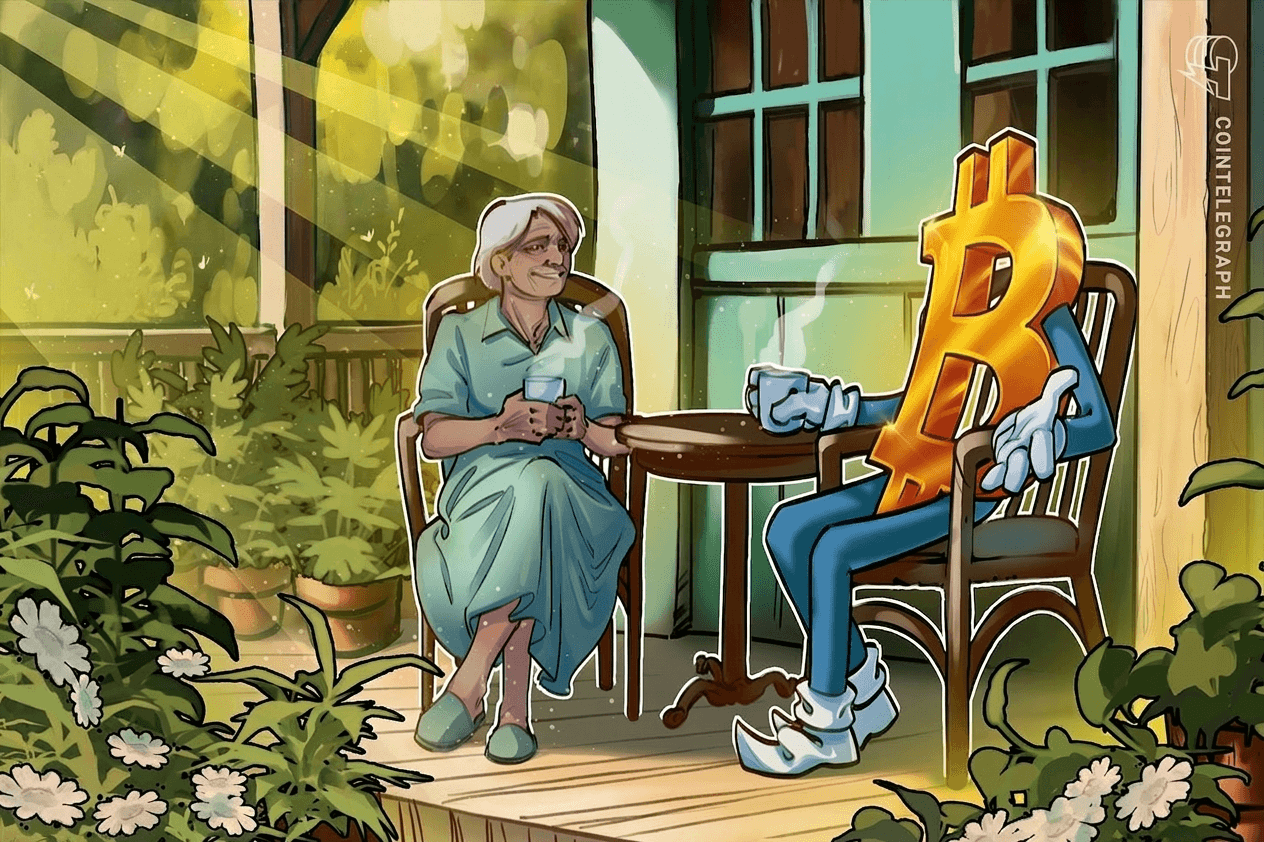
The appetite for digital assets in retirement accounts remains ice cold among average Americans, according to fresh survey data that throws cold water on Washington's push to expand crypto access in workplace plans.
Seventy-seven percent of Americans view cryptocurrency in retirement portfolios as risky—a sobering reality check for those betting on mainstream crypto adoption through workplace savings vehicles. This perception gap matters enormously: while crypto has carved out a niche among retail traders and institutional players, ordinary people saving for retirement aren't buying the narrative that digital assets belong in their nest eggs.
The Regulatory Push Meets Market Resistance
The survey lands at a critical moment. US policymakers are actively working to expand access to alternative assets within retirement plans, including crypto-linked investments. The thinking in some policy circles: if workers can access crypto through 401(k)s and IRAs, adoption accelerates. But this data suggests that's not an automatic win.
The disconnect is real. Workplace retirement plans traditionally prioritize capital preservation and steady growth—stocks, bonds, real estate. Crypto, by contrast, remains volatile and relatively young as an asset class. Bitcoin and ethereum, despite their maturation over the past decade-plus, still carry the DNA of speculative trading in most people's minds.
Why the Risk Perception Sticks
Here's what's critical: this isn't irrational fear. Crypto's actual volatility justifies caution in retirement contexts. A 40-year-old with three decades until retirement can stomach more risk than someone 10 years out. But for most workers, crypto's boom-bust cycles feel fundamentally misaligned with retirement planning principles.
The survey reveals something deeper about market psychology. Even as institutional adoption accelerates—from BlackRock's bitcoin ETF to corporate treasury holdings—everyday Americans remain unconvinced that crypto belongs in the retirement portfolio segment. There's a chasm between institutional enthusiasm and Main Street confidence.
The Path Forward for Crypto Adoption
For crypto to crack retirement plans at scale, two things need to happen. First, volatility has to compress—not eliminate, but moderate toward more "normal" asset behavior. Second, education matters. Right now, many Americans conflate crypto trading (high risk, active management) with crypto investing (passive, long-term holdings). That framing shift takes time.
The survey's 77% skepticism number reflects realistic market psychology. Retirement isn't where traders test theses; it's where retirees depend on money actually being there. Until crypto demonstrates multi-decade stability and produces regulatory clarity that makes workplace inclusion less legally fraught, plan sponsors will likely remain cautious about offering these assets.
This data matters for portfolio construction and trading strategies. The crypto market's growth still depends heavily on younger, risk-tolerant participants rather than broad-based retirement capital. That's the actual market dynamic, regardless of what policymakers want.
Alpha Take
The 77% skepticism toward crypto in retirement plans reflects genuine structural misalignment, not mere ignorance. Until bitcoin and ethereum demonstrate sustained stability and clearer regulatory status, mainstream retirement capital will stay on the sidelines. For crypto traders and investors, this means continued reliance on active traders rather than passive retirement allocations as primary capital sources.
Originally reported by
CoinTelegraph
Not financial advice. Crypto investing involves significant risk. Past performance does not guarantee future results. Always do your own research.