
Movement Labs Collapses Into Chapter 11: Bankruptcy Follows Token Crisis and Leadership Chaos
Movement Labs, the blockchain developer behind the MOVE token ecosystem, has filed for Chapter 11 bankruptcy protection as the project attempts to salvage operations amid months of cascading crises. The company will continue functioning under court supervision while restructuring—a last-ditch effor
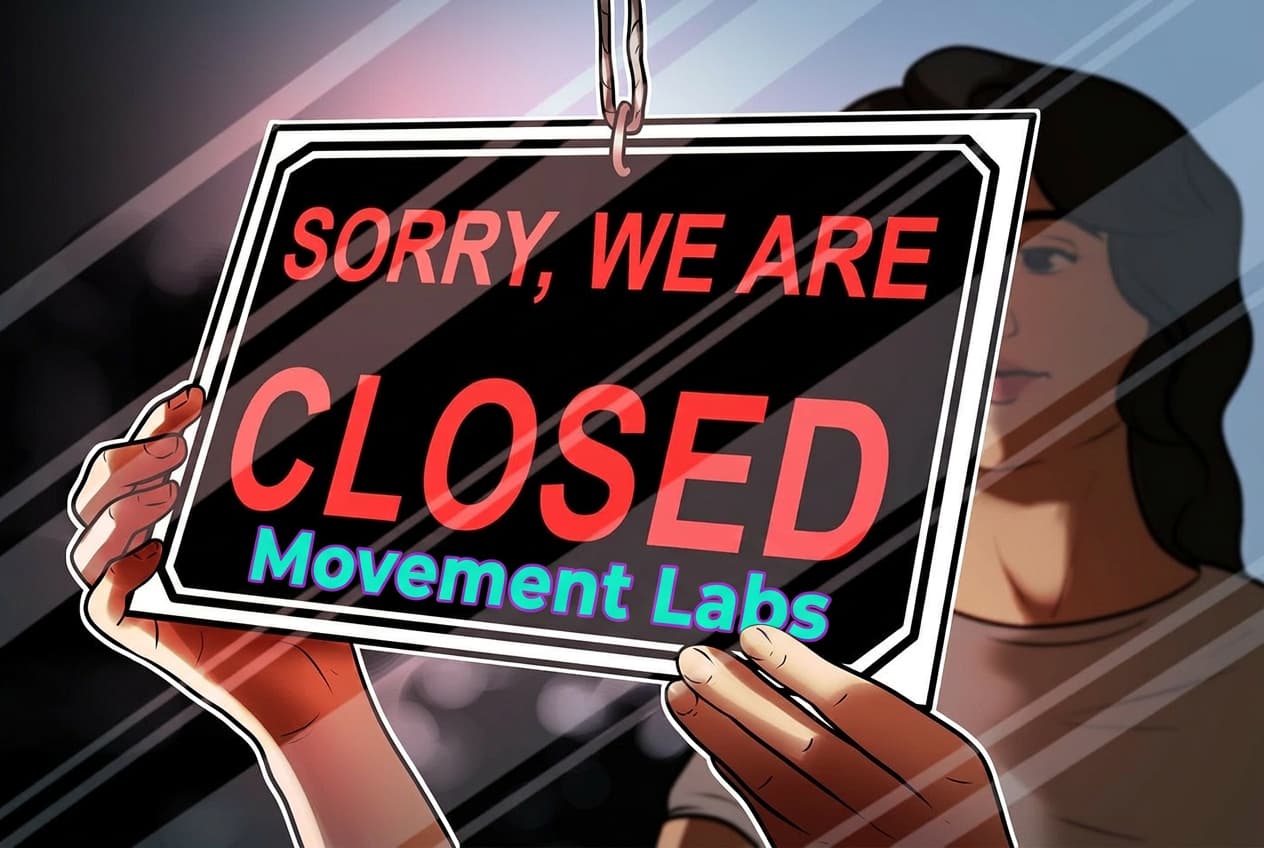
Movement Labs, the blockchain developer behind the MOVE token ecosystem, has filed for Chapter 11 bankruptcy protection as the project attempts to salvage operations amid months of cascading crises. The company will continue functioning under court supervision while restructuring—a last-ditch effort to recover from a market-making scandal, executive suspension, and a wave of exchange delistings that decimated investor confidence.
The Unraveling Timeline
This bankruptcy represents the inevitable endpoint of Movement Labs' spectacular downfall. The troubles began when the project faced a market-making scandal that raised serious questions about token price manipulation and trading practices. That revelation triggered a domino effect: a co-founder was suspended amid the controversy, institutional support evaporated, and major crypto exchanges began delisting MOVE from their platforms.
For traders holding the token, the situation deteriorated rapidly. Each piece of negative news compounded selling pressure, creating a feedback loop of loss of confidence that accelerated the project's deterioration. The combination of governance failures, market trust destruction, and reduced liquidity created an untenable position.
What Happens Now
Chapter 11 bankruptcy allows Movement Labs to reorganize its operations and debts while remaining operational—technically. Under court supervision, management will attempt to restructure the company's liabilities and determine whether the blockchain project has any salvageable value. This process typically involves creditors and stakeholders negotiating claims and recovery potential.
The filing signals that Movement Labs' leadership believes there's still something worth preserving, even if that's optimistic. Court protection also temporarily shields the company from creditors while restructuring negotiations occur. However, for MOVE token holders already decimated by delistings and price collapse, Chapter 11 provides little comfort—their claims typically rank lowest in creditor hierarchies.
Broader Market Context
Movement Labs' bankruptcy joins an unfortunate list of high-profile crypto collapses. Unlike FTX's criminal fraud or Terra's algorithmic collapse, Movement Labs failed through a combination of governance breakdowns, market manipulation allegations, and institutional abandonment. It's a different failure type—one rooted in execution failures and leadership credibility loss rather than fundamental protocol flaws.
The episode underscores critical risks in blockchain ecosystems: founders and market-makers hold disproportionate power, transparency failures compound quickly, and exchange support is fragile. When multiple pillars of support crumble simultaneously—governance credibility, token liquidity, exchange listings—projects rarely recover.
Alpha Take
Movement Labs' Chapter 11 filing demonstrates that even well-funded blockchain projects can implode rapidly once token economics and governance trust collapse simultaneously. For crypto traders and portfolio managers, this case highlights the systemic risk of concentrated founder power and insufficient market-making transparency. When evaluating blockchain investments, scrutinize the separation between project governance and market infrastructure—when they overlap too tightly, a single scandal can trigger cascading failures that Chapter 11 rarely reverses.
Originally reported by
CoinTelegraph
Not financial advice. Crypto investing involves significant risk. Past performance does not guarantee future results. Always do your own research.