
Neuberger Berman Enters Tokenized Bonds Market With Cross-Chain Infrastructure Play
The $613 billion asset manager Neuberger Berman is making a strategic push into on-chain fixed-income with a partnership that signals institutional crypto adoption is moving beyond speculation into yield-bearing products. Working with blockchain infrastructure provider Securitize, Neuberger Berman
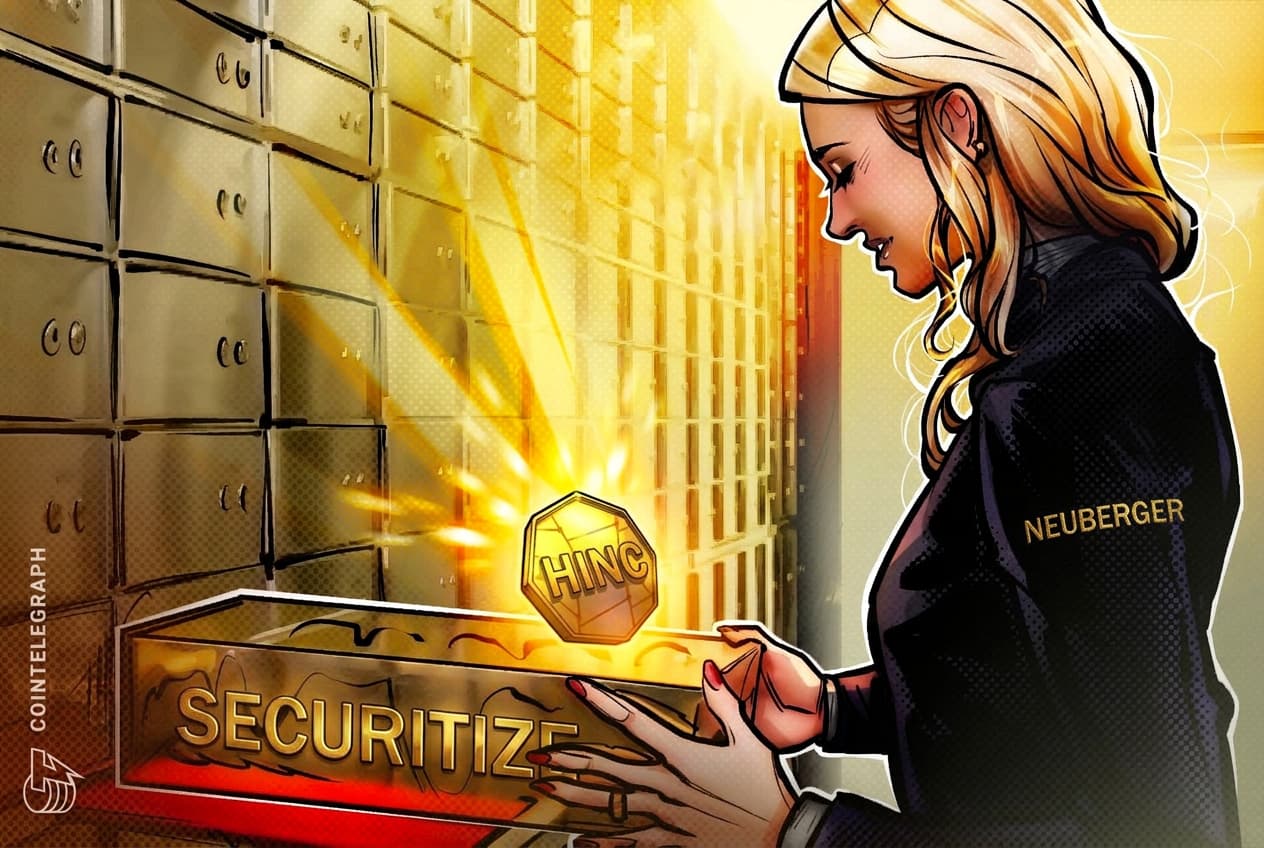
The $613 billion asset manager Neuberger Berman is making a strategic push into on-chain fixed-income with a partnership that signals institutional crypto adoption is moving beyond speculation into yield-bearing products.
Working with blockchain infrastructure provider Securitize, Neuberger Berman will subadvise a tokenized high-yield bond fund spanning multiple blockchains. This isn't a single-chain experiment—the offering goes live on Ethereum, Solana, Avalanche, and Sui simultaneously, reflecting where serious capital sees real liquidity and ecosystem strength.
Why This Matters for Institutional Crypto
The multi-chain approach tells us something important about how traditional finance views the current blockchain landscape. Rather than betting everything on one network, Neuberger Berman is hedging across four major ecosystems. Ethereum gets the baseline institutional presence. Solana brings speed and cost efficiency. Avalanche and Sui represent bets on emerging Layer 1 alternatives capturing institutional interest.
Securitize brings the critical piece here—the tokenization infrastructure and compliance framework that lets a $613 billion manager sleep at night issuing assets on-chain. They've built the plumbing that makes this work for regulated entities: KYC/AML integration, regulatory reporting, and custody solutions.
The High-Yield Angle
Fixed-income tokenization has been the quieter narrative in crypto analysis, overshadowed by Bitcoin speculation and Ethereum's consensus debates. But this is where real institutional money flows. High-yield bonds traditionally offer 5-8% yields, but with tokenization reducing intermediaries and settlement friction, managers can potentially offer better terms while cutting backend costs.
This also addresses a real gap in crypto portfolios. Bitcoin and Ethereum traders are long volatility assets. Institutions managing billions need stable, yield-bearing components. Tokenized fixed-income fills that void—giving crypto portfolios bond exposure without leaving the blockchain rails.
The Market Intelligence Play
What we're tracking here isn't just product news. This is validation that tokenized assets aren't a regulatory dead-end or a niche experiment anymore. When a manager of Neuberger Berman's scale commits infrastructure and compliance resources, it signals the market structure is solidifying.
The multi-chain launch is equally revealing about portfolio strategy. Solana's transaction speed appeals to institutional trading operations managing large positions. Ethereum's dominant institutional narrative makes it the obvious anchor. Avalanche and Sui get exposure without overcommitting capital—a rational hedge on which Layer 1s retain institutional stickiness.
For traders, this matters because institutional capital entering fixed-income tokenization typically precedes broader market expansion in that asset class. When the big money needs yield infrastructure, ecosystem development and liquidity improvements follow.
Alpha Take
Neuberger Berman's multi-chain tokenized bond fund represents institutional crypto moving into income-generating strategies rather than pure price appreciation. Watch whether this launches in Q1 or faces regulatory friction—timing tells you how ready the market infrastructure actually is. The real signal isn't the product itself; it's that a $613 billion manager sees enough regulatory clarity and technical maturity to commit resources here.
Originally reported by
CoinTelegraph
Not financial advice. Crypto investing involves significant risk. Past performance does not guarantee future results. Always do your own research.