
North Carolina Defers to Federal Crypto Regulators: New Budget Law Sets Tax Rate for Prediction Markets
North Carolina just handed the CFTC full regulatory authority over prediction market platforms like Kalshi and Polymarket—and it's a move that tells us something important about where state-level crypto policy is heading. The state's new budget law explicitly recognizes the Commodity Futures Tradi
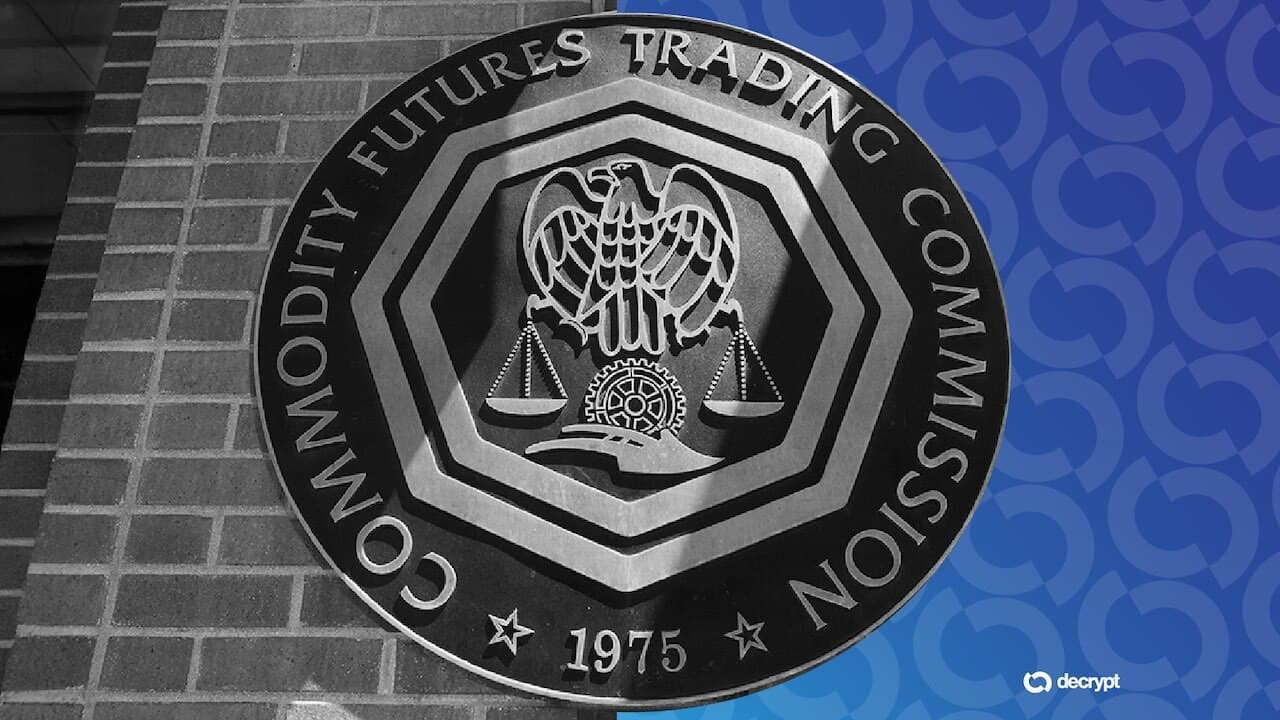
North Carolina just handed the CFTC full regulatory authority over prediction market platforms like Kalshi and Polymarket—and it's a move that tells us something important about where state-level crypto policy is heading.
The state's new budget law explicitly recognizes the Commodity Futures Trading Commission's "federal regulatory authority" over these platforms, effectively sidestepping any state-level oversight battles that have plagued other jurisdictions. Rather than build its own regulatory framework, North Carolina's lawmakers chose clarity over complexity.
Tax Treatment: Competitive But Not Aggressive
Here's where it gets interesting for traders and platform operators: North Carolina is taxing prediction market activity at 6%—a rate that positions the state as genuinely competitive compared to what other states are cooking up.
That 6% figure matters because it signals restraint. Other states have been far more aggressive with their tax strategies for crypto and blockchain-related activities, treating them as revenue opportunities rather than legitimate business segments. North Carolina's approach suggests lawmakers understand that excessive taxation could simply push trading volume elsewhere.
What This Means for Market Participants
The CFTC's regulatory umbrella is actually preferable to fragmented state-by-state oversight for prediction market traders. You get consistent rules, federal enforcement standards, and no uncertainty about whether your trading on Kalshi or Polymarket violates some obscure state statute. That's the kind of regulatory clarity that attracts institutional participation.
By punting to federal regulators, North Carolina avoids the compliance headaches that emerge when states try to layer their own rules on top of already-regulated derivatives platforms. Kalshi and Polymarket operate under CFTC oversight for good reason—these platforms trade event-based derivatives that need coordinated federal policy, not a patchwork of state-level restrictions.
The Bigger Picture
This move reflects a broader trend: smart states are recognizing that crypto and derivatives regulation requires federal coordination. Trying to impose state-specific rules on nationwide platforms just creates friction and arbitrage opportunities. The tax rate, meanwhile, shows North Carolina wants to participate in the broader crypto ecosystem without being punitive about it.
For portfolio managers holding positions across prediction markets, this is clean policy. No surprise regulatory crackdowns, no sudden tax reassessments, no compliance confusion. The 6% tax is transparent and predictable—exactly what you want when building trading strategies around these venues.
The real test comes if other states follow North Carolina's lead. A consistent, moderate tax approach across multiple jurisdictions could legitimize prediction markets as an asset class rather than treating them like gambling operations that need to be squeezed for revenue.
Alpha Take
North Carolina's decision to defer to CFTC authority over prediction markets cuts through regulatory noise—this is how smart crypto policy should work at the state level. The 6% tax is aggressive enough to generate state revenue while remaining competitive; expect other states to benchmark against this rate as they develop their own crypto frameworks. Watch whether this North Carolina model becomes the template for state-level crypto policy or remains an outlier while other jurisdictions pursue higher taxation and stricter oversight.
Originally reported by
Decrypt
Not financial advice. Crypto investing involves significant risk. Past performance does not guarantee future results. Always do your own research.