
Norway Targets Covert Surveillance Tech as Privacy Concerns Mount Over Facial Recognition Integration
Norway's consumer protection authorities are taking aim at a growing threat: eyewear equipped with hidden cameras and facial recognition capabilities. The country's consumer watchdog has escalated its position, calling on retailers to halt sales of these devices immediately—a move that signals seri
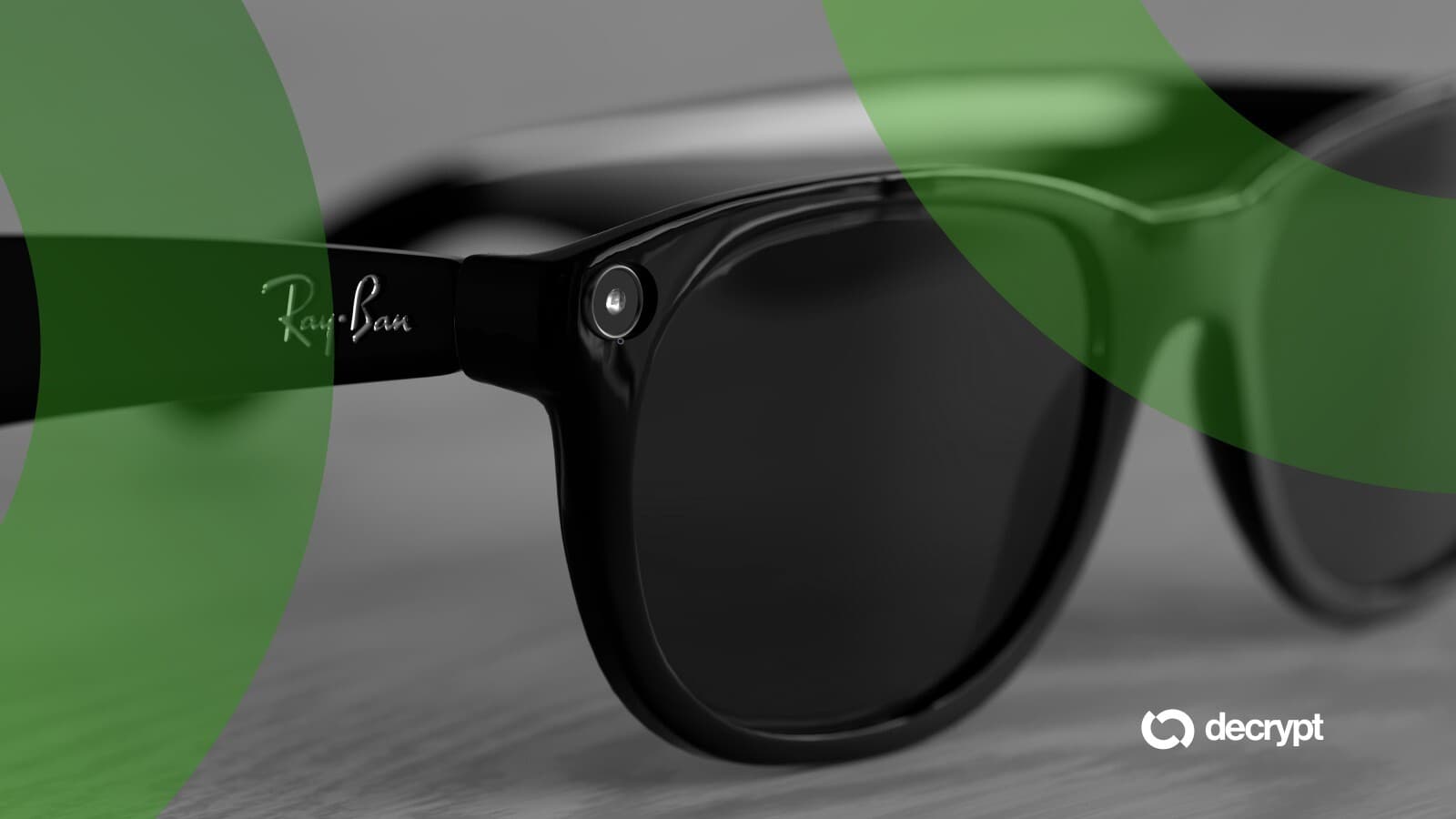
Norway's consumer protection authorities are taking aim at a growing threat: eyewear equipped with hidden cameras and facial recognition capabilities. The country's consumer watchdog has escalated its position, calling on retailers to halt sales of these devices immediately—a move that signals serious regulatory intent before formal legislation even hits the books.
The Privacy Problem Nobody Saw Coming
These aren't your standard smart glasses. We're talking about wearable tech designed specifically to capture faces and biometric data without clear consent from those being recorded. The devices blur the line between legitimate wearables and surveillance tools, creating a regulatory nightmare that most governments haven't figured out how to handle yet.
Norway's consumer watchdog recognized the danger early. Rather than waiting for lawmakers to catch up, they've issued an urgent recommendation to retail chains: stop selling these products until the legal framework clarifies what's actually permissible. It's a preemptive strike against a market that's been growing faster than regulators can think.
Why This Matters Beyond Norway
This isn't just Scandinavian bureaucracy at work. Norway's move signals how other jurisdictions will likely respond to privacy-invasive technology. When a country known for data protection standards like GDPR neighbors starts moving aggressively, it usually means similar actions are coming elsewhere in Europe—and potentially beyond.
The facial recognition component is the real flashpoint. These glasses can identify individuals in real-time, store their biometric data, and potentially integrate with databases. That's surveillance capitalism on steroids, wrapped in consumer-friendly packaging.
Retail's Role in the Crackdown
The pushback against retailers matters strategically. By pressuring the distribution channel directly, Norway's watchdog is cutting off supply before demand fully materializes. It's a smart regulatory approach: make it hard to buy the devices, and you reduce the installed base of surveillance tech in public spaces.
Major retailers are likely to cooperate given the regulatory risk. Once a government consumer agency flags a product category as problematic, most retailers recognize the writing on the wall. Compliance now beats fighting regulators later.
What Comes Next
We should expect formal legislation within months, not years. Norway will probably establish clear rules about when—or if—facial recognition in wearables is legal, what consent requirements exist, and what penalties apply to violators. The template they create will likely influence how other countries approach the same issue.
The broader trend here speaks to a fundamental tension in crypto and blockchain communities too: the balance between innovation and privacy. While decentralized finance operates on transparency principles, consumer-facing surveillance tech represents the opposite extreme. Both extremes create regulatory friction.
Alpha Take
Norway's aggressive stance on covert facial recognition glasses reflects how governments are tightening control over privacy-invasive technology. This regulatory momentum will likely spread across developed markets, creating compliance costs and market limitations for surveillance-focused hardware. For crypto and blockchain investors tracking regulatory trends, watch how governments balance innovation with privacy protections—the same tension that shaped crypto's early narrative around anonymity versus compliance.
Originally reported by
Decrypt
Not financial advice. Crypto investing involves significant risk. Past performance does not guarantee future results. Always do your own research.