
Ondo Breaks Down Wall Street Barriers: Institutions Can Now Trade Physical Stocks for Tokenized Versions
Ondo Finance just fundamentally altered how institutions interact with tokenized assets. The platform has rolled out an in-kind conversion system that lets approved institutions mint and redeem tokenized stocks and ETFs using actual underlying securities—no cash required.
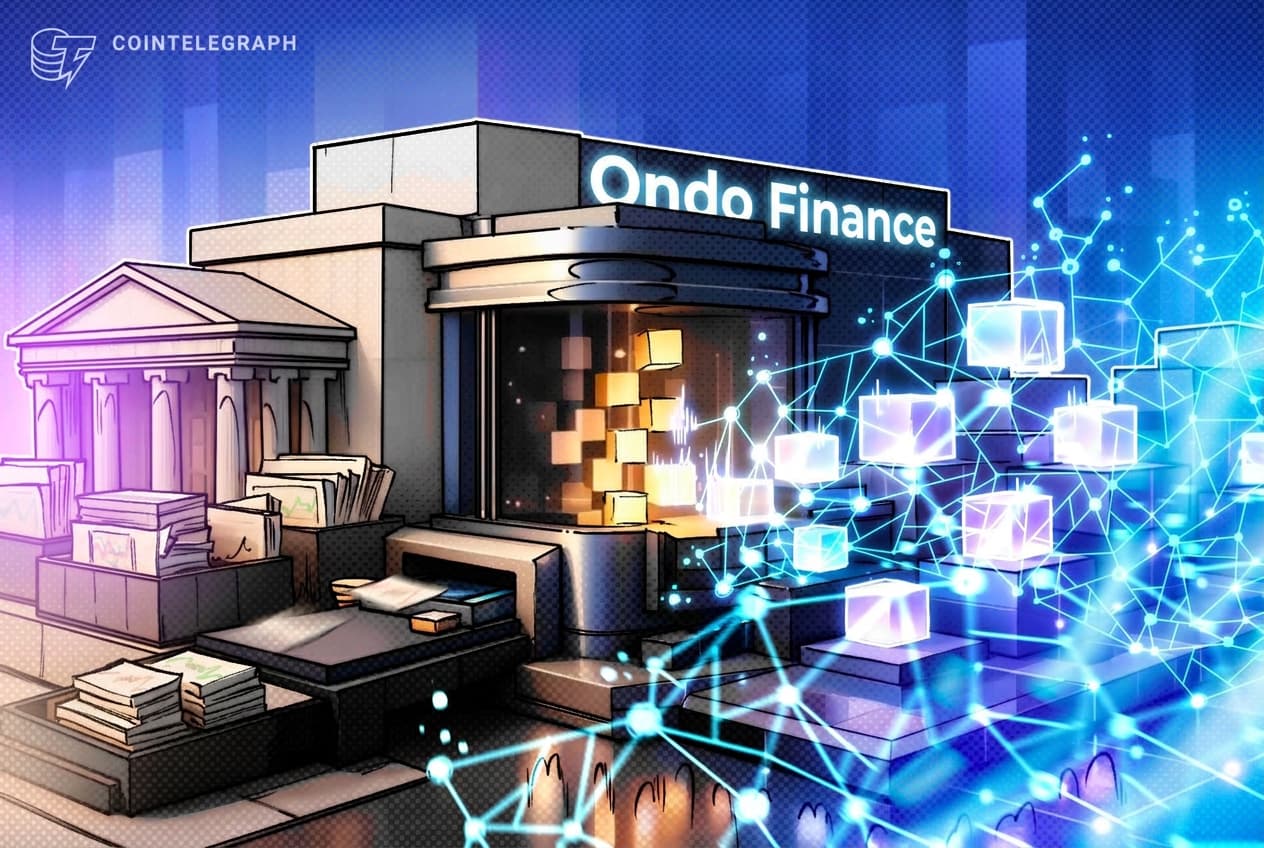
Ondo Finance just fundamentally altered how institutions interact with tokenized assets. The platform has rolled out an in-kind conversion system that lets approved institutions mint and redeem tokenized stocks and ETFs using actual underlying securities—no cash required.
Here's why this matters for crypto and traditional finance convergence: previously, tokenization demanded institutions go through cash-heavy processes. Now they can swap physical shares directly for blockchain-based versions, eliminating friction and counterparty risk in the conversion mechanism.
How the In-Kind Conversion Works
The mechanics are straightforward but powerful. Institutions approved by Ondo can now deposit actual securities—real stocks, ETFs, whatever the underlying asset—and receive tokenized versions on-chain in return. The reverse works too: redeem your tokenized holdings and get the physical securities back.
This cuts through the traditional gatekeeping that's kept institutional capital from flowing freely into tokenized asset markets. No more converting to fiat, navigating wire transfers, and waiting for settlement. Direct asset swap. That's what serious market participants need.
Why Institutions Care
For portfolio managers and traders, this addresses a critical pain point: previously, arbitrage opportunities between tokenized and traditional markets created friction costs that ate into returns. Now those spreads compress. Institutions can more efficiently manage positions across both ecosystems, which strengthens liquidity in both directions.
The crypto analysis community has long identified liquidity fragmentation as a bottleneck preventing mainstream adoption. Ondo's move directly tackles that problem by making tokenized asset markets more efficient for institutions that control real capital flows.
Broader Implications for Crypto Market Intelligence
This development signals institutional infrastructure is maturing. We're watching the foundational pieces click into place—proper custody, regulatory compliance, and now efficient conversion mechanisms. These weren't trivial technical or legal hurdles.
The tokenized securities market has attracted serious capital this year. Bloomberg and others have tracked billions flowing into structured products backed by government bonds, equities, and other traditional instruments. In-kind conversion removes a major impediment to scaling that market further.
What separates Ondo's approach from earlier tokenization attempts is institutional rigor. The approval process, compliance infrastructure, and direct securities handling suggest this isn't a speculative play—it's designed for real trading operations managing significant assets under management.
The Trading Implications
For active traders and portfolio strategists, this opens arbitrage possibilities between tokenized and traditional markets. When efficient conversion exists, price discovery becomes more acute across both venues. That typically benefits sophisticated market participants who can capitalize on mispricing before it gets arbitraged away.
Ethereum and other blockchain networks will likely see increased institutional activity as these conversion mechanisms normalize. The tokenized asset layer becomes genuinely useful infrastructure rather than experimental niche.
Alpha Take
Ondo's in-kind conversion system removes a critical technical friction point that's kept institutional capital from fully embracing tokenized securities. Watch for this to accelerate inflows into on-chain asset markets as approval processes expand beyond initial participants. Portfolio managers now have fewer legitimate reasons to avoid tokenized instruments—efficiency just got real.
Originally reported by
CoinTelegraph
Not financial advice. Crypto investing involves significant risk. Past performance does not guarantee future results. Always do your own research.