
Open USD's Bold Entry Disrupts the Stablecoin Oligopoly
Open USD just landed with institutional muscle behind it—and the crypto market is paying attention. The new stablecoin launch brings serious firepower to a space long dominated by USDC and USDT.
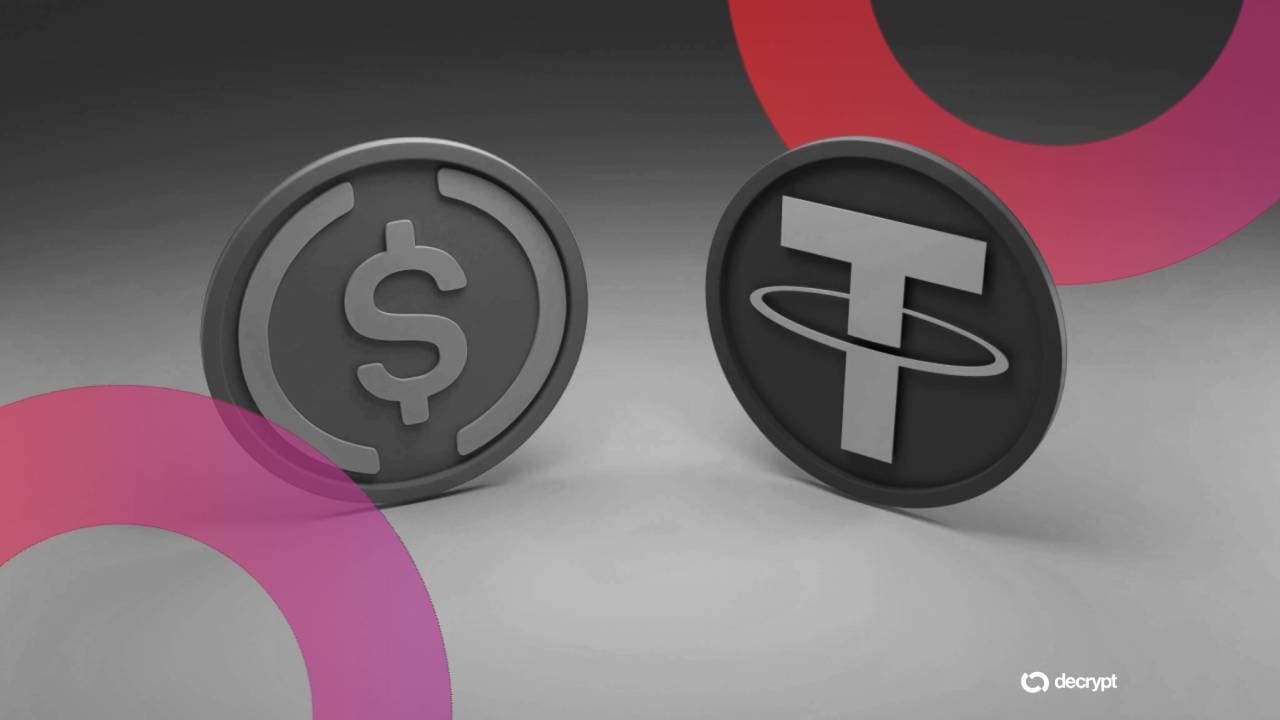
Open USD just landed with institutional muscle behind it—and the crypto market is paying attention.
The new stablecoin launch brings serious firepower to a space long dominated by USDC and USDT. Backing from Visa, Mastercard, and Google signals something important: the stablecoin wars just entered a new phase where traditional finance heavyweights are betting real capital on alternatives to the current market leaders.
Why This Matters for Crypto Trading
Stablecoins are the plumbing of crypto markets. They're how traders move between positions, exit to "safety," and execute strategies across exchanges. When incumbents face credible competition, it forces the entire ecosystem to sharpen up. We're talking about faster settlement times, better transparency, or lower friction costs—all things that benefit active traders.
USDC and USDT have enjoyed near-monopoly status for years, collectively representing the vast majority of stablecoin liquidity. That concentration creates risk. Open USD's entrance with institutional backing diversifies options, which is precisely what crypto markets need for long-term health.
The Institutional Angle
The lineup matters. Visa and Mastercard process trillions in traditional payments annually. Google brings payments infrastructure expertise and massive distribution potential. These aren't retail plays—this is institutional-grade credibility entering the stablecoin space.
The crypto market has seen stablecoin launches before. Most fizzled. But this one comes with the kind of on-ramp infrastructure and real-world integration pathways that could actually drive adoption. If these partners commit to integrating Open USD into their ecosystems, we're looking at potential mainstream velocity that other stablecoins haven't achieved.
What Traders Should Monitor
The key metrics to watch: liquidity depth on major exchanges, trading volume spreads against USDC/USDT, and adoption velocity across DeFi platforms. If Open USD captures meaningful liquidity within the first 90 days, that's a bullish signal for market maturation. If adoption stalls, it's just another launch.
Real competition could also push USDC and USDT to improve their offerings—lower fees, faster settlement, or enhanced yield opportunities. That's net-positive for crypto as a trading ecosystem.
The Broader Implication
This launch underscores where crypto infrastructure is headed: professionalization. The days of stablecoins as scrappy community projects are behind us. We're entering an era where major payment networks and tech giants treat crypto rails as serious business infrastructure.
For portfolio managers and active traders, this means the stablecoin landscape you're familiar with is shifting. Liquidity will fragment across multiple venues, which creates both risk and opportunity. Smart traders will map out where they want exposure and which stablecoin pair offers the best execution for their strategy.
The crypto market's dependence on stablecoins means competition here matters more than most people realize. When incumbents face real threats, everyone wins—especially those paying attention to execution costs and counterparty risk.
Alpha Take
Open USD's institutional backing changes the stablecoin narrative from "which monopoly dominates" to "which rails offer the best execution." Watch exchange adoption rates closely—early traction suggests crypto market infrastructure is maturing faster than most realize. For active traders, this is an opportunity to stress-test your stablecoin strategy before the market fragments further.
Originally reported by
Decrypt
Not financial advice. Crypto investing involves significant risk. Past performance does not guarantee future results. Always do your own research.