
Optimism Redirects Half-Billion Tokens Away from Airdrops to Fund Ecosystem Expansion
Optimism just made a major strategic pivot. The Ethereum Layer 2 platform voted to reallocate 546.
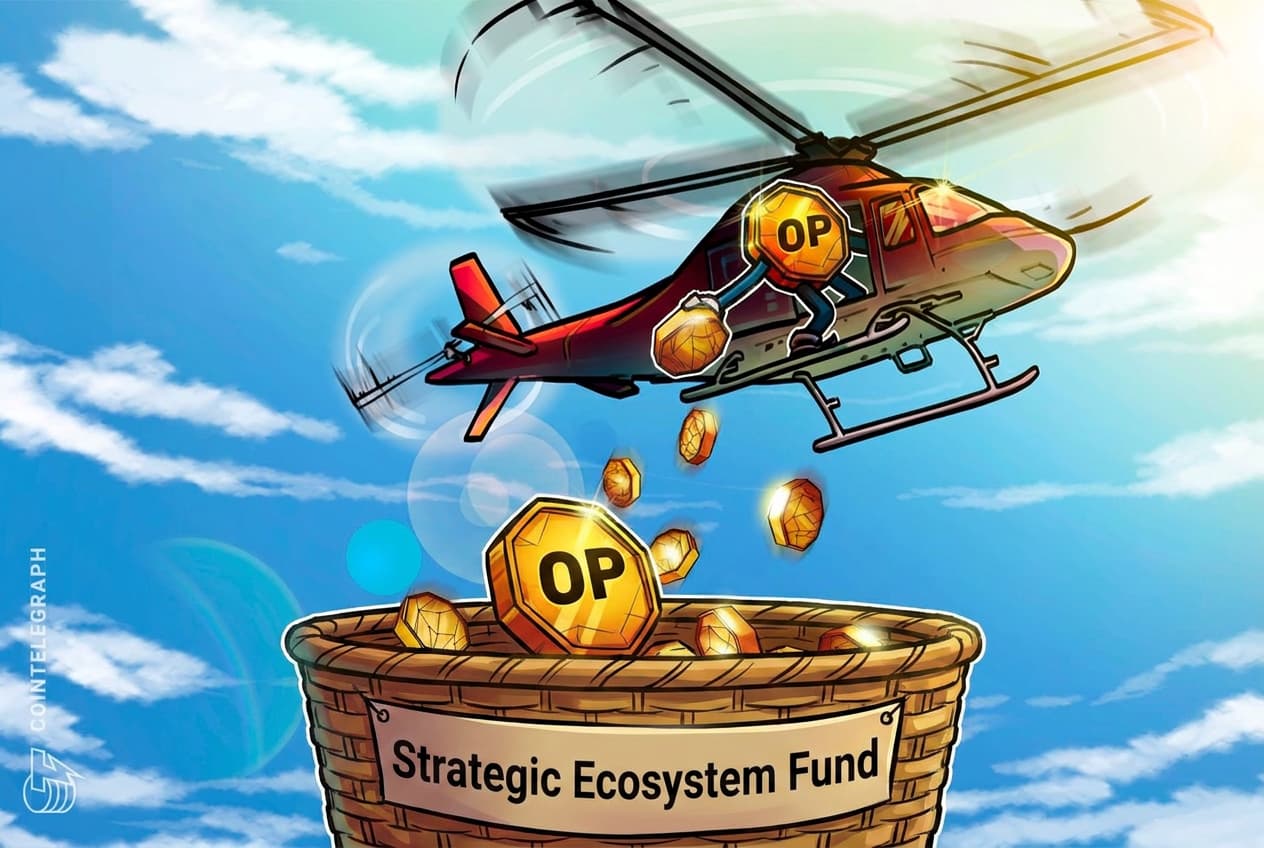
Optimism just made a major strategic pivot. The Ethereum Layer 2 platform voted to reallocate 546.9M OP tokens—originally earmarked for future airdrops—into its ecosystem growth fund instead.
This isn't a minor accounting adjustment. We're talking about a fundamental shift in how Optimism deploys its token incentives moving forward. Previously, these tokens were locked in for potential user giveaways. Now they're being redirected toward partnerships, liquidity incentives, and the protocol's increasingly aggressive institutional outreach.
What Changed and Why
The governance vote represents Optimism's tacit acknowledgment that broad-based user airdrops—while popular—might not be the most efficient allocation mechanism. Instead, the protocol is doubling down on targeted ecosystem development: funding builder grants, securing strategic partnerships, and supporting dApp development that attracts institutional capital and liquidity.
This move reflects a broader crypto market maturation. Early protocols relied on airdrop hype to drive adoption and community engagement. Optimism is pivoting toward a more measured, infrastructure-first approach. The ecosystem growth fund gives the team flexibility to deploy capital where it'll generate the most sustainable value—whether that's through DeFi integrations, enterprise partnerships, or developer tooling.
The Institutional Angle
Don't miss the subtext here: Optimism is clearly prioritizing institutional adoption. By reallocating tokens from retail-focused airdrops to ecosystem incentives, the protocol signals it's thinking bigger than short-term token holder excitement. Strategic partnerships and institutional-grade infrastructure require sustained funding, not one-off giveaways.
This strategy makes sense given the Layer 2 competitive landscape. Arbitrum, Polygon, and others are aggressively courting enterprises and institutional protocols. Optimism's token reallocation essentially says: "We're betting on building durable institutional relationships rather than chasing retail FOMO."
Numbers That Matter
546.9M OP represents a substantial chunk of Optimism's tokenomics. For context, this isn't spare change being reshuffled—it's a meaningful portion of the protocol's incentive arsenal being systematically redeployed.
The governance vote passed because the OP holder community believes this reallocation maximizes long-term protocol value. That collective decision underscores a shift in how mature Layer 2 ecosystems think about token utility: less about random distributions, more about strategic capital deployment.
What's Next for OP Holders
Ecosystem growth funds typically work like venture arms—they support promising projects, provide liquidity for key trading pairs, and fund development initiatives that strengthen the broader network. OP holders aren't losing tokens; those tokens are being redirected into initiatives that should theoretically increase protocol utility and adoption.
The real question is execution. Token reallocation is easy; deploying 546.9M OP effectively across partnerships and growth initiatives is harder. We'll be watching how quickly Optimism moves capital and whether these ecosystem grants actually drive meaningful institutional adoption.
Alpha Take
Optimism's reallocation is a strategic maturation play—trading short-term airdrop hype for long-term institutional depth. This crypto market intelligence move demonstrates how Layer 2 protocols are evolving beyond retail incentives into infrastructure-grade ecosystems. Watch the deployment pace and partner announcements; they'll tell you whether Optimism's new capital allocation strategy actually moves the needle on adoption and institutional adoption, or if it's simply reshuffling tokens without driving meaningful ecosystem growth.
Originally reported by
CoinTelegraph
Not financial advice. Crypto investing involves significant risk. Past performance does not guarantee future results. Always do your own research.