
Pakistan's Top Crypto Official Pushes for Resolution After Religious Authority Blocks Crypto Transactions
Pakistan's virtual-assets regulator is pressing for ongoing talks following a high-profile meeting with a prominent Islamic scholar who has effectively blocked crypto payment transactions based on religious grounds. The State Bank of Pakistan's crypto chief convened discussions aimed at finding co
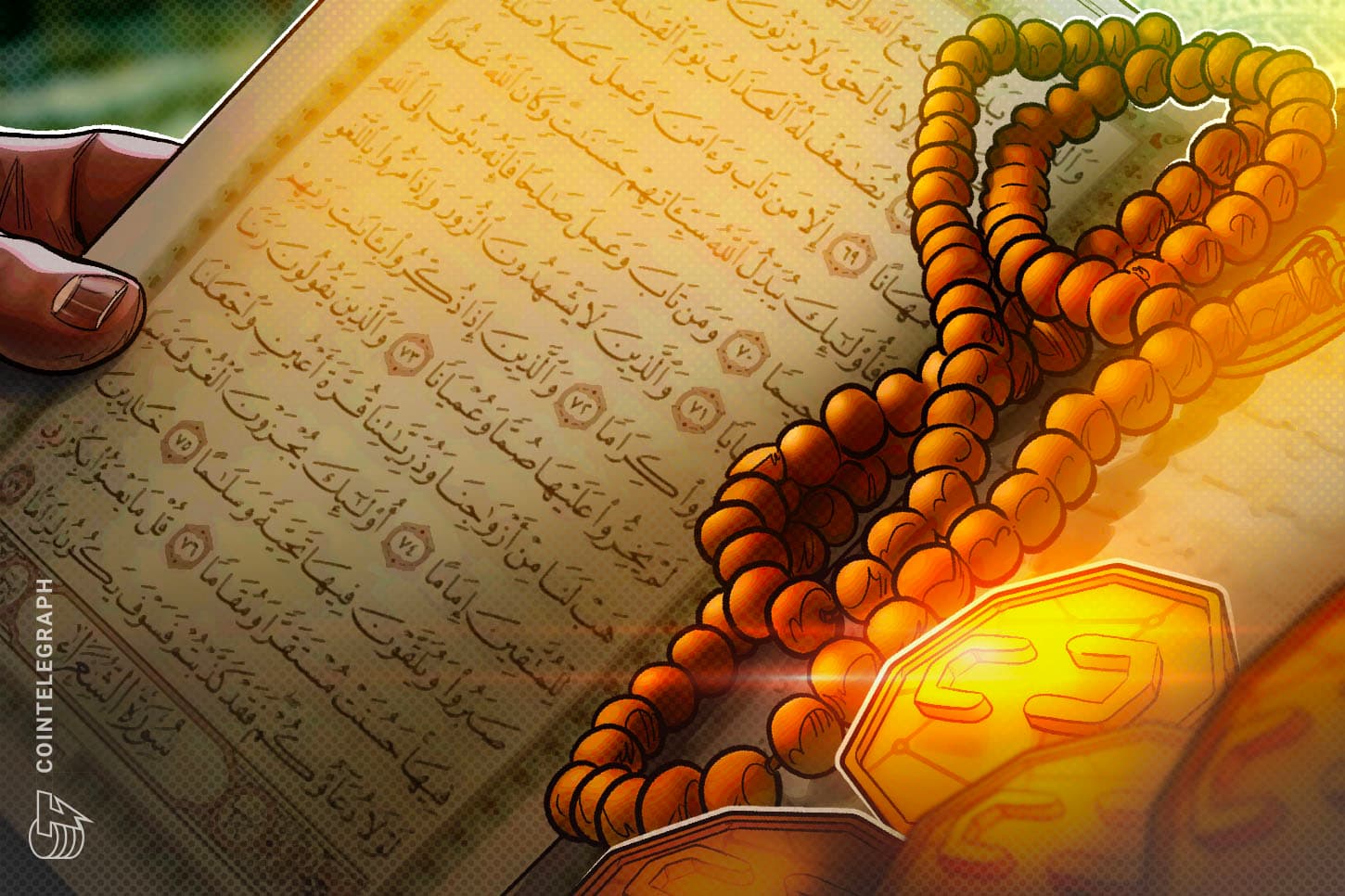
Pakistan's virtual-assets regulator is pressing for ongoing talks following a high-profile meeting with a prominent Islamic scholar who has effectively blocked crypto payment transactions based on religious grounds.
The State Bank of Pakistan's crypto chief convened discussions aimed at finding common ground after the scholar's ruling created fresh regulatory complexity for the country's digital-asset sector. The encounter signals an attempt to bridge the gap between Pakistan's modernizing financial infrastructure and conservative religious interpretations of cryptocurrency's permissibility.
This move matters because Pakistan sits at a critical juncture: the country has been gradually warming to crypto adoption, yet religious authority continues to carry significant weight in policy decisions. The scholar's ruling against crypto purchases represents a substantial headwind for mainstream adoption, forcing Pakistan's financial establishment to navigate between innovation and Islamic compliance requirements.
We've seen this pattern before across Muslim-majority nations—the clash between technological progress and Sharia-compliant finance. Pakistan's regulator is essentially signaling they won't accept a blanket prohibition, but rather seeking substantive dialogue to clarify which applications of blockchain technology align with Islamic principles and which don't.
What makes this particularly significant for crypto traders and portfolio managers tracking emerging markets is the precedent it sets. Pakistan has roughly 9 million crypto users, making it one of Asia's more active crypto communities. A negative ruling from influential Islamic scholars could cascade across the broader Muslim world, impacting crypto adoption narratives in other jurisdictions.
The regulator's call for "continued dialogue" suggests they're not backing down—this is a negotiation, not a capitulation. By framing the conversation as ongoing rather than settled, Pakistan's virtual-assets authority is buying time to present nuanced use cases for blockchain technology that might satisfy religious concerns without gutting the entire crypto sector.
The crypto industry in Pakistan faces real constraints: regulatory uncertainty, banking access challenges, and now religious hurdles. Yet the regulator's engagement proves there's institutional will to find solutions. The question isn't whether crypto will be permitted, but under what conditions and restrictions.
For international crypto investors and traders monitoring emerging-market exposure, this is worth tracking. Pakistan's eventual stance could influence policy decisions across South Asia and the broader Islamic finance ecosystem. We're watching to see whether the regulator can frame crypto in terms that satisfy both modern financial objectives and religious doctrines—a legitimately difficult balance.
The timing matters too. Global crypto markets are increasingly dependent on emerging-market adoption to drive next-cycle growth. Pakistan's virtual-assets sector represents meaningful upside potential, but only if regulatory clarity emerges from these discussions rather than continued ambiguity.
Alpha Take
Pakistan's regulator is smartly keeping the dialogue door open rather than accepting a hard religious ban on crypto transactions. The outcome of these talks will have ripple effects across Muslim-majority nations evaluating crypto policy. Track this development closely if you're long on emerging-market crypto exposure or analyzing regulatory risk in South Asian markets.
Originally reported by
CoinTelegraph
Not financial advice. Crypto investing involves significant risk. Past performance does not guarantee future results. Always do your own research.