
Poland's Kanga Exchange Lands EU Regulatory Win—What It Means for Crypto Trading Across Europe
Kanga, the Poland-founded crypto exchange, has officially secured a Class 3 MiCA (Markets in Crypto-Assets) license in Latvia. This regulatory clearance opens the door for the platform to operate across the entire European Union, positioning it as a compliant player in one of the world's most strin
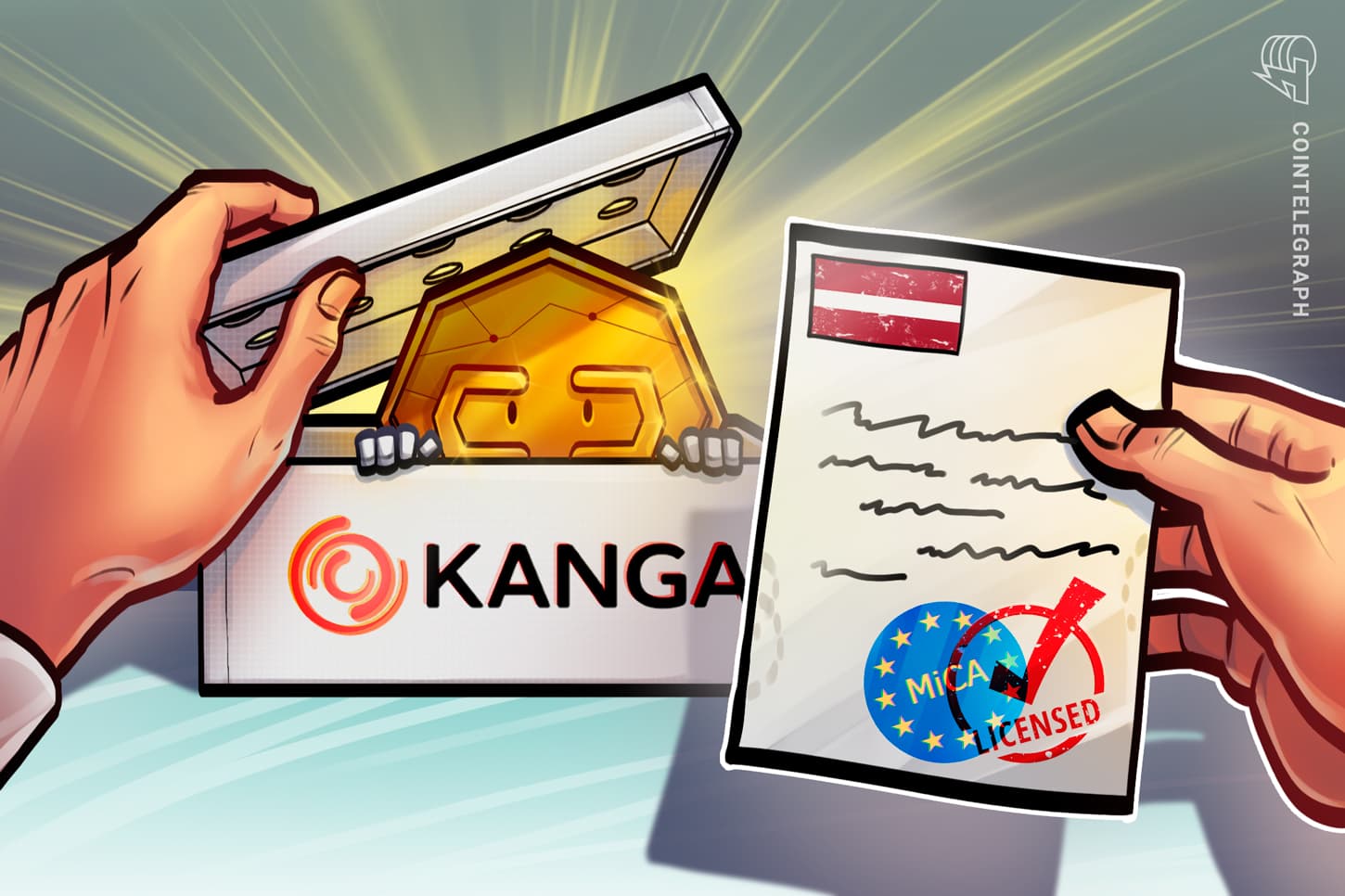
Kanga, the Poland-founded crypto exchange, has officially secured a Class 3 MiCA (Markets in Crypto-Assets) license in Latvia. This regulatory clearance opens the door for the platform to operate across the entire European Union, positioning it as a compliant player in one of the world's most stringent crypto markets.
The timing matters. While Kanga locks in its EU footprint through Latvia's licensing framework, Polish lawmakers are still hashing out how they'll implement MiCA domestically. That's a critical distinction—the Latvian license gives Kanga immediate legitimacy and operational scope across EU member states, sidestepping the uncertainty of Poland's regulatory rollout.
What the Class 3 License Actually Enables
A Class 3 MiCA license is no lightweight credential. It authorizes crypto service providers to offer a full suite of services: custody, trading, staking, lending, and order-book operations. For Kanga, this means they're not limited to a narrow slice of the crypto market—they can compete across multiple verticals with regulatory backing.
The EU's MiCA framework, which came into full effect in December 2023, fundamentally reshaped how crypto businesses operate in Europe. Rather than navigating fragmented national regulations, exchanges now operate under unified EU rules. Latvia has proven itself a responsive jurisdiction for crypto licensing, making it an attractive entry point for platforms looking to establish EU credentials.
The Polish Context
Poland remains a wild card in this narrative. The country has been deliberative—perhaps overly so—in crafting its own MiCA implementation framework. By securing a Latvian license first, Kanga hedges against delays or unfavorable regulatory tweaks from Warsaw. It's strategic maneuvering, plain and simple.
This move also signals confidence in Kanga's compliance infrastructure. Earning MiCA approval isn't trivial—regulators scrutinize operational controls, anti-money laundering protocols, market abuse safeguards, and customer protection mechanisms. If you pass that audit, you've demonstrated institutional-grade governance.
What This Means for the Broader Market
For European traders and portfolio managers, Kanga's MiCA approval matters. It means one more legitimate venue for crypto trading, custody, and related services across the EU. As regulatory frameworks mature, you'll see fewer exchanges operating in gray zones and more competing on execution quality, fees, and user experience rather than regulatory arbitrage.
This is part of a larger trend: crypto is normalizing within traditional finance infrastructure. MiCA licenses aren't revolutionary—they're bureaucratic necessities. But they signal that the industry is moving past its Wild West phase. Serious platforms are locking in regulatory compliance; second-tier operators are facing tighter margins.
Alpha Take
Kanga's Latvian MiCA license is a defensive move that pays offensive dividends. It secures EU-wide operating rights while Polish regulators finalize their framework, and it demonstrates institutional-grade compliance that'll attract serious traders and institutional capital. Watch how this plays out as other Polish crypto firms navigate similar paths—the next 12 months will show whether Poland becomes a crypto hub or a cautionary tale about regulatory delays.
Originally reported by
CoinTelegraph
Not financial advice. Crypto investing involves significant risk. Past performance does not guarantee future results. Always do your own research.