
Police Body Camera Firm Pushes Privacy Trade-Off Narrative Amid Emerging Abuse Pattern
Flock Safety CEO Garrett Langley is doubling down on a controversial message to Americans: accept some privacy erosion in exchange for public safety. The pitch comes just days after a damning report flagged at least 69 law enforcement officials accused of misusing automated license plate reader (AL
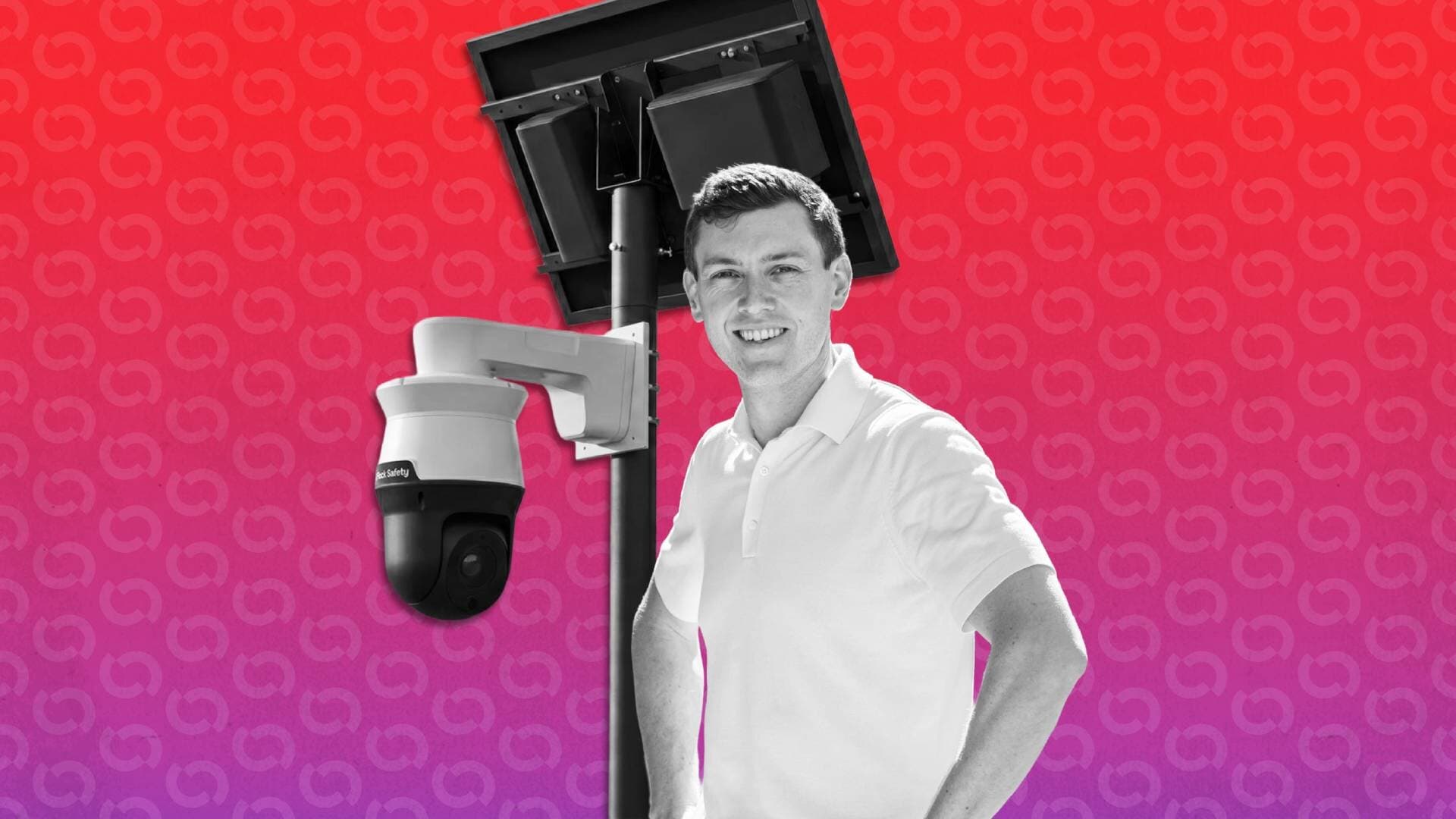
Flock Safety CEO Garrett Langley is doubling down on a controversial message to Americans: accept some privacy erosion in exchange for public safety. The pitch comes just days after a damning report flagged at least 69 law enforcement officials accused of misusing automated license plate reader (ALPR) technology—the exact type of surveillance infrastructure Flock sells to police departments nationwide.
In recent statements, Langley has argued that the vast majority of officers—claiming 99.9% are "good actors"—can be trusted with powerful surveillance tools. It's a classic security-versus-privacy framing designed to normalize the widespread deployment of plate readers and related law enforcement tech that tracks millions of Americans daily.
But the timing is brutal. The misuse allegations suggest that even a small percentage of bad actors operating within law enforcement can create systemic abuse at scale. When you're talking about nationwide police databases processing millions of license plate scans, that 0.1% suddenly represents dozens of officials potentially weaponizing the data.
The Plate Reader Problem
License plate readers have become ubiquitous across U.S. police departments. These cameras capture vehicle information indiscriminately—scanning hundreds of plates per minute—and feed the data into searchable databases. The technology is ostensibly designed for finding stolen vehicles, locating suspects, and solving crimes. In practice, it's created a mass surveillance infrastructure with minimal oversight.
The documented cases of misuse include officers accessing plate reader data for personal reasons, stalking, and tracking individuals without legitimate law enforcement justification. That 69-official figure likely represents only cases that were caught and reported—the actual scope of misuse could be significantly higher.
Langley's "compromise" framing is a masterclass in rebranding consent. The company frames privacy concerns as unrealistic absolutism while positioning surveillance expansion as pragmatic compromise. It's the kind of rhetoric we see repeated across the surveillance-tech industry: accept the baseline intrusion, or you're anti-safety.
What's Actually at Stake
Flock Safety's business model depends on this normalization. The company has built a lucrative empire by equipping police with license plate readers, gunshot detection systems, and other surveillance tools. Criticism of the technology—especially when tied to documented abuse—threatens expansion plans and investor returns.
For crypto traders and portfolio managers, this matters. Flock is part of the broader surveillance-industrial complex that governments and institutions use to monitor financial activity. Understanding how these systems develop, how they're justified, and how they're abused is critical context for evaluating regulatory risk in crypto markets.
The company's framing also tells us something important about power dynamics: when firms can set the terms of the debate ("compromise" on privacy), they've already won half the fight.
Alpha Take
Langley's privacy compromise pitch reveals the playbook: normalize surveillance by framing privacy concerns as extreme, then let mission creep do the rest. The 69-official misuse report demonstrates that even small abuse rates scale dangerously across nationwide systems. For crypto traders, increased surveillance infrastructure directly impacts regulatory pressure and financial monitoring—monitor how aggressively these systems expand over the next 12 months.
Originally reported by
Decrypt
Not financial advice. Crypto investing involves significant risk. Past performance does not guarantee future results. Always do your own research.