
Polish Presidential Veto Blocks Crypto Framework as Zondacrypto Collapse Deepens
Poland's attempt to advance its crypto regulatory framework hit a roadblock this week when lawmakers failed to overturn a presidential veto on proposed crypto legislation. The failed override attempt comes as the Zondacrypto scandal continues to unravel, with its Estonian operator now entering bank
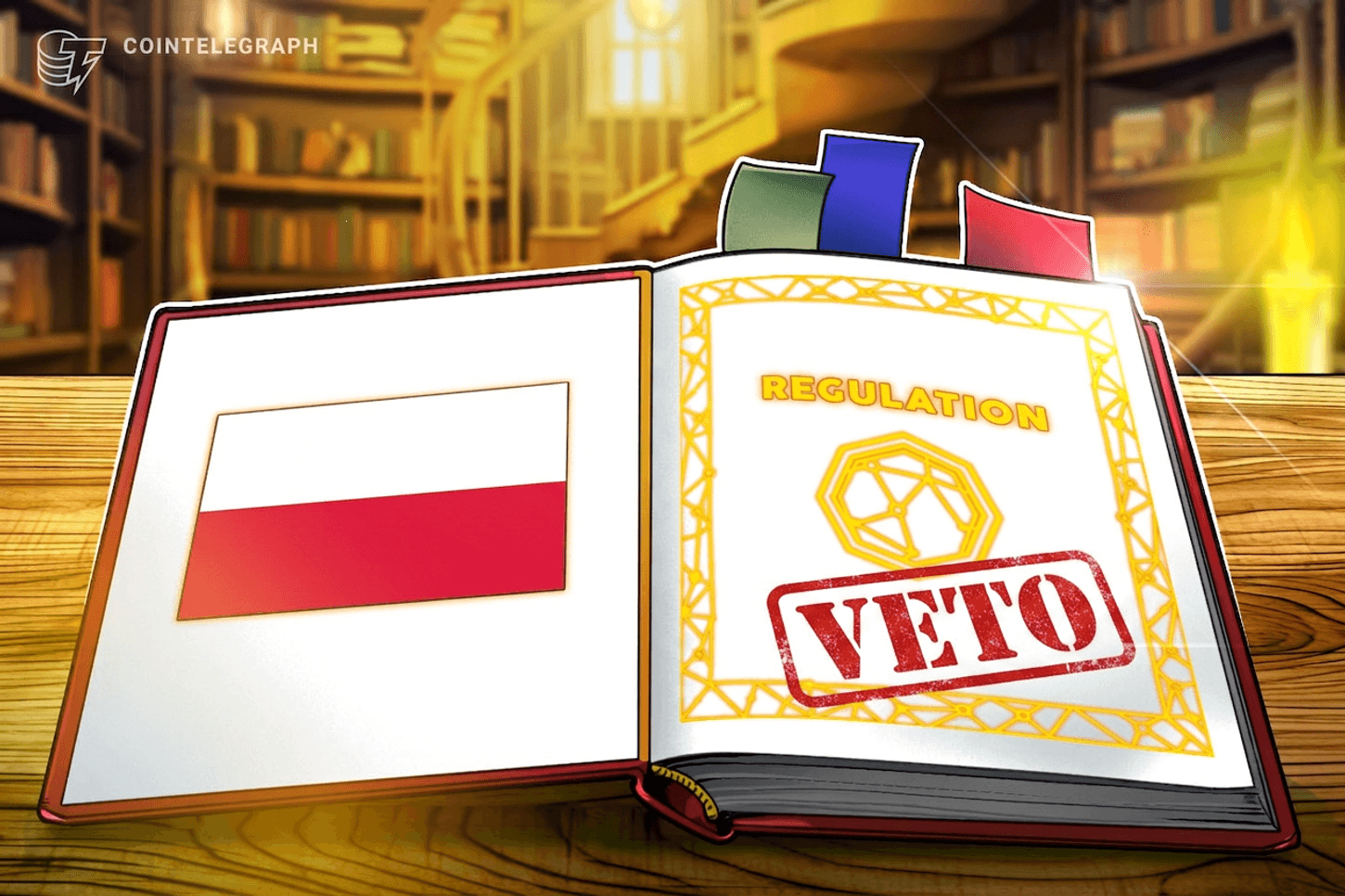
Poland's attempt to advance its crypto regulatory framework hit a roadblock this week when lawmakers failed to overturn a presidential veto on proposed crypto legislation. The failed override attempt comes as the Zondacrypto scandal continues to unravel, with its Estonian operator now entering bankruptcy proceedings.
Veto Stands Firm Despite Legislative Push
The Polish parliament fell short of the supermajority needed to override the presidential veto, leaving the country's crypto bill dead for now. The defeat signals deeper political divisions over how Poland should approach digital asset regulation—a critical question as the crypto market matures and institutional adoption accelerates.
This veto effectively stalls Poland's efforts to establish clearer crypto governance standards. For traders and investors operating in Polish markets, the regulatory uncertainty persists, creating friction in an environment where EU member states are scrambling to implement frameworks ahead of broader European regulations like MiCA (Markets in Crypto-Assets Regulation).
Zondacrypto Bankruptcy Compounds the Crisis
The timing couldn't be worse. As lawmakers debated Poland's regulatory direction, the Zondacrypto investigation expanded into something far more serious: the platform's Estonian operator has now filed for bankruptcy. The move represents a catastrophic collapse for what was once positioned as a major player in Poland's crypto ecosystem.
The Zondacrypto scandal has become emblematic of the risks that inadequate regulation creates. The platform's implosion raises critical questions about investor protection, custody standards, and the oversight gaps that allowed the operation to function in Poland's loose regulatory environment. Users affected by the collapse are watching closely as the investigation broadens.
What This Means for Polish Crypto Policy
The failed veto override suggests Poland's political establishment remains divided on crypto regulation. Some lawmakers favor stricter oversight and clearer licensing requirements—perspectives likely hardened by the Zondacrypto disaster. Others may argue that premature regulation would strangle innovation in a sector Poland could otherwise lead.
The irony is stark: the very crisis that should have accelerated regulatory action has instead frozen legislative momentum. Without clear rules, platforms operate in a gray zone where bad actors can proliferate, harming both consumers and legitimate market participants. Meanwhile, other EU jurisdictions are moving faster to establish crypto trading frameworks that will eventually apply pressure on Poland to catch up.
The bankruptcy filing also triggers questions about asset recovery for affected customers. Under current Polish law, the protections available to traditional investors may not extend fully to crypto holders—another argument for why clearer legislation matters.
Alpha Take
Poland's failed veto override reflects a broader EU struggle: balancing innovation with investor protection in crypto markets. The Zondacrypto collapse demonstrates what happens when regulatory ambiguity meets operator misconduct—a cautionary tale for other markets dragging their feet on crypto legislation. Expect increased pressure from affected users and EU regulators to revive similar bills, though timeline and scope remain uncertain. For portfolio managers with Polish exposure, regulatory risk remains elevated until clearer frameworks emerge.
Originally reported by
CoinTelegraph
Not financial advice. Crypto investing involves significant risk. Past performance does not guarantee future results. Always do your own research.