
Political Betting Backfire: Kalshi Bans Candidate for Self-Dealing Contracts
Kalshi, the crypto-native prediction market platform, has suspended North Carolina Republican House candidate Laurie Buckhout for three years after she purchased contracts betting on her own election outcome. The move highlights emerging tensions between decentralized trading platforms and traditio
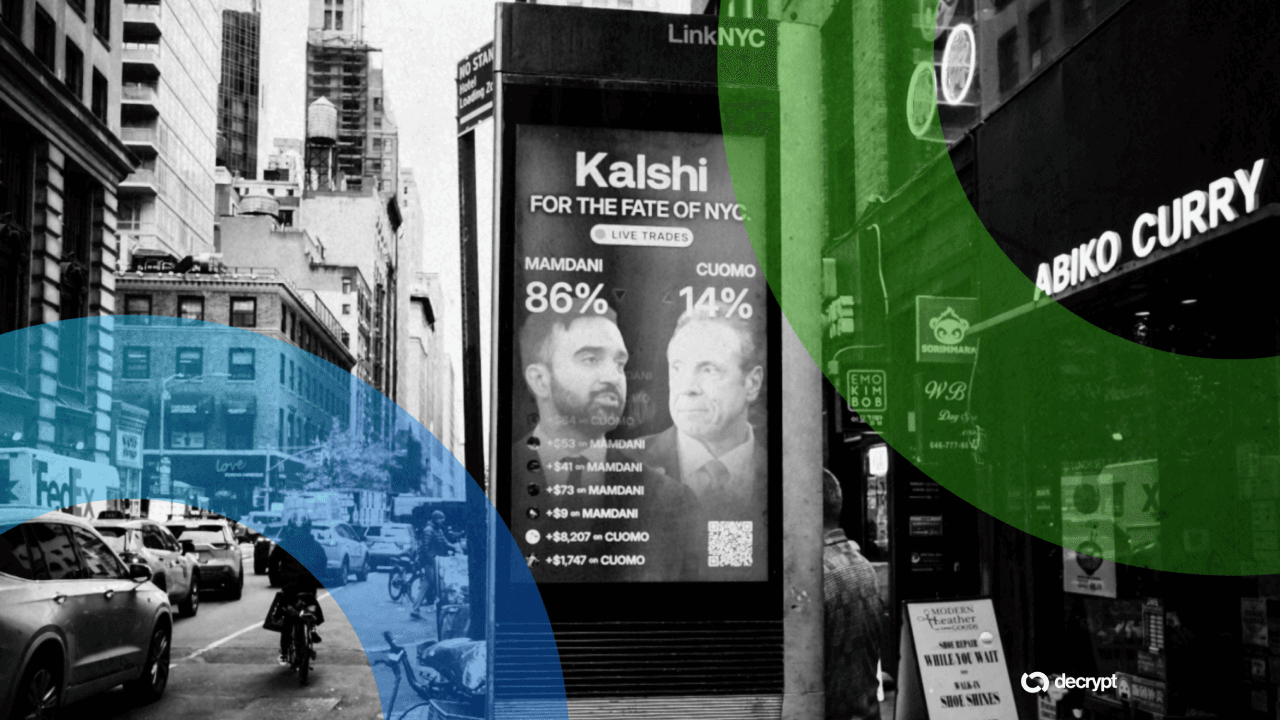
Kalshi, the crypto-native prediction market platform, has suspended North Carolina Republican House candidate Laurie Buckhout for three years after she purchased contracts betting on her own election outcome. The move highlights emerging tensions between decentralized trading platforms and traditional campaign finance rules.
Buckhout's position—a modest one by any measure—involved less than $1,000 in contracts on her own race. But the size of the bet proved irrelevant to Kalshi's compliance team. The platform determined that self-dealing on political outcomes violated its user agreement, even though the dollar amount was trivial compared to typical campaign spending.
Why This Matters for Prediction Markets
This incident exposes a crucial vulnerability in crypto prediction markets operating within U.S. regulatory frameworks. Unlike traditional exchanges where insider trading rules are codified by the SEC, prediction market platforms must create their own guardrails. Kalshi's enforcement action suggests the platform is taking compliance seriously—but it also raises questions about where these boundaries should actually be drawn.
Political prediction markets exist in a gray zone. The Commodity Futures Trading Commission (CFTC) oversees prediction platforms as derivatives markets, but the rules around candidate self-dealing remain murky. Buckhout's case may become a testing ground for how aggressively these platforms police their users.
The Broader Implication
What's particularly interesting here is that Kalshi appears to be going beyond current regulatory requirements. No federal law explicitly prohibits a candidate from betting on themselves—though campaign finance regulations already limit how candidates can raise and spend money. By implementing a three-year ban, Kalshi is creating its own standard of conduct.
This reflects a pattern we're seeing across crypto platforms: self-regulation as a defensive strategy. By moving faster than regulators, platforms can demonstrate they're serious about compliance and avoid heavier-handed government intervention later.
The Buckhout suspension also underscores why prediction markets remain controversial in political circles. When politicians can directly profit from their own election outcomes—even in small amounts—it creates obvious optics problems. Kalshi likely recognized that tolerating such behavior would draw scrutiny from Congress and regulators already skeptical of crypto-based betting markets.
What's Next
The three-year ban essentially sidelines Buckhout from Kalshi's political prediction markets through 2027. Given that she's a House candidate, she'll likely want to contest this decision or use a competitor platform. Kalshi doesn't have a monopoly on political betting—other prediction market platforms operate without the same restrictions, though they face different regulatory environments.
The real question is whether other crypto prediction platforms will follow Kalshi's lead or take a more permissive approach. If enforcement becomes inconsistent across platforms, we could see regulatory intervention forcing standardized rules.
Alpha Take
This suspension reveals how prediction market platforms are preemptively stricter than regulators require—a credibility play in an industry facing intense scrutiny. Watch for whether competing platforms adopt similar policies; if they don't, expect either CFTC guidance or Congressional pressure within 12-18 months. Buckhout's case is a early sign that crypto trading platforms are willing to make unpopular calls to maintain regulatory legitimacy.
Originally reported by
Decrypt
Not financial advice. Crypto investing involves significant risk. Past performance does not guarantee future results. Always do your own research.