
Polymarket's $2.9M Heist: What Happened and What's Next for Users
Polymarket, the leading prediction market platform, got hit with a $2. 9 million theft after attackers injected malicious code directly into its frontend.
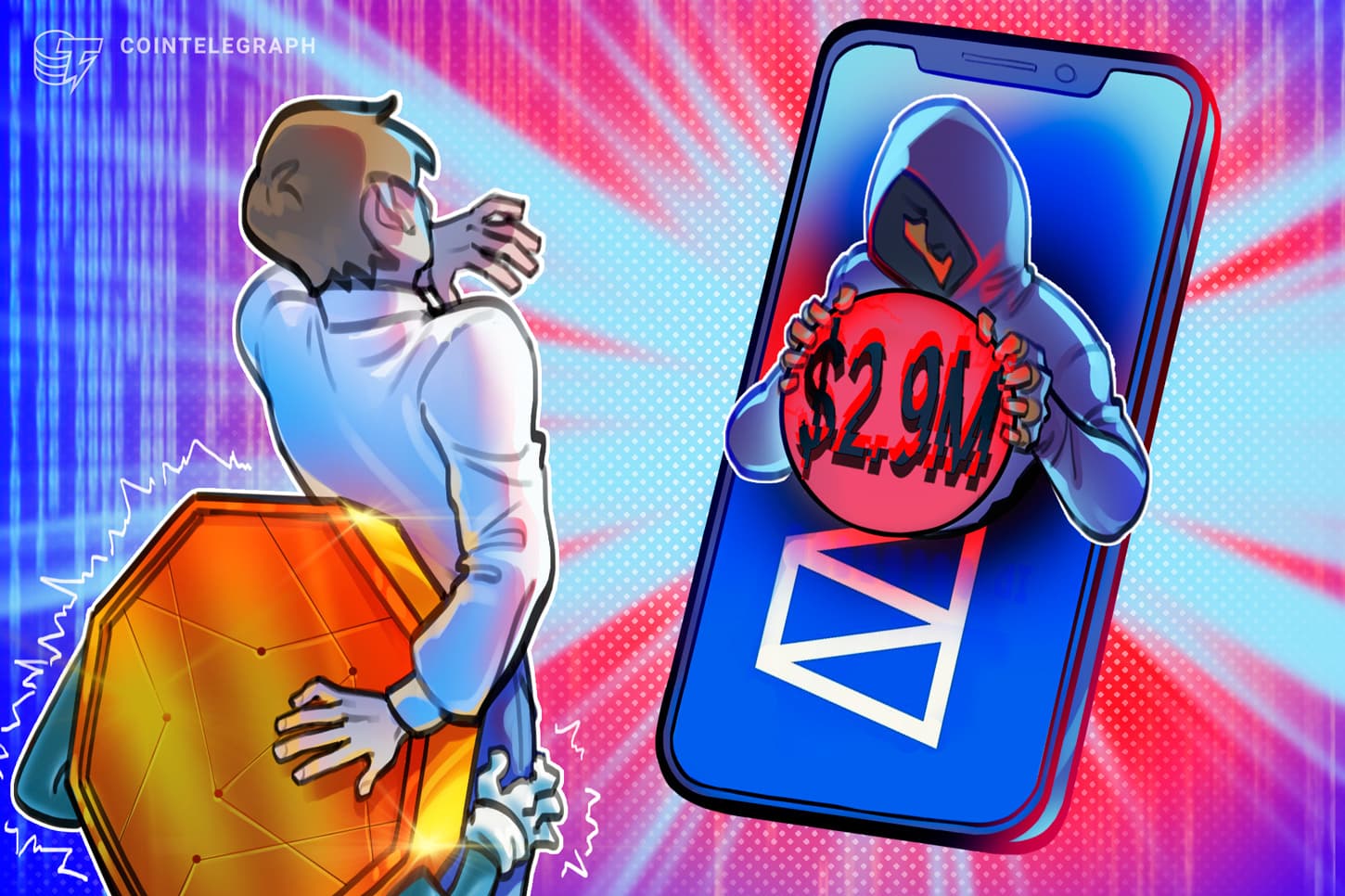
Polymarket, the leading prediction market platform, got hit with a $2.9 million theft after attackers injected malicious code directly into its frontend. Here's what went down and why it matters for your portfolio.
The Attack Vector
The breach came through a compromised dependency—essentially, attackers found a weak link in Polymarket's software supply chain and weaponized it. They didn't crack the vault directly; instead, they injected malicious script into the platform's frontend interface. This is a classic move: once users visit the site, the injected code runs in their browsers, giving attackers access to session tokens, wallet connections, or transaction data.
The good news? Polymarket caught it relatively quickly and contained the damage. The platform removed the affected dependency and cleaned up the compromised code. But the fact that attackers got this deep into production infrastructure is a red flag worth paying attention to, especially in the crypto space where billions move through these platforms daily.
The Refund Commitment
Here's what separates Polymarket's response from a complete disaster: they committed to refunding all affected users. That's the kind of move that builds (or rebuilds) trust in a market where users are already skeptical of centralized platforms. The platform didn't try to bury the incident or pretend it didn't happen—transparency here is critical for maintaining confidence in prediction markets as a category.
Why This Matters for Crypto Markets
Polymarket has become essential infrastructure for crypto traders, election analysts, and risk hedgers. The platform processes millions in volume daily across various prediction categories. A $2.9M theft isn't trivial, but it's also not catastrophic given the platform's scale. What matters more is whether this was an isolated incident or a symptom of broader security vulnerabilities.
Supply chain attacks are evolving faster than most crypto platforms can adapt. We're seeing attackers target the dependencies and third-party libraries that power DeFi and crypto infrastructure. If one platform gets compromised, others using similar stacks could be vulnerable too.
What Users Should Do
If you used Polymarket around the time of the breach, monitor your account activity closely. Even though the refund commitment is solid, the risk window matters—attackers may have harvested additional data beyond just the stolen funds. Change passwords if you used similar credentials elsewhere (but you shouldn't be doing that anyway in crypto).
For traders building prediction market strategies, this is a reminder that platform risk is real. Even sophisticated, well-funded crypto platforms can have their frontend compromised. Diversifying across multiple prediction markets and keeping exposure limits reasonable are basic risk management moves.
Alpha Take
Polymarket's quick containment and refund commitment show decent incident response, but this breach highlights the ongoing vulnerability of centralized infrastructure. Supply chain attacks are now a primary vector for compromising crypto platforms—expect more incidents like this as attackers become more sophisticated. Users should treat this as a reminder to audit platform risk in their crypto portfolios and consider the centralization trade-offs inherent in using any single platform for trading.
Originally reported by
CoinTelegraph
Not financial advice. Crypto investing involves significant risk. Past performance does not guarantee future results. Always do your own research.