
Privacy Coins Explode as Institutional Investors Flee Surveillance Risk
The Catalyst: MultiCoin's Bold Bet on Financial Privacy MultiCoin Capital just made a statement—and the market listened. The prominent crypto investment firm disclosed a substantial Zcash (ZEC) position, sending the privacy-focused token surging 37% in a matter of days.
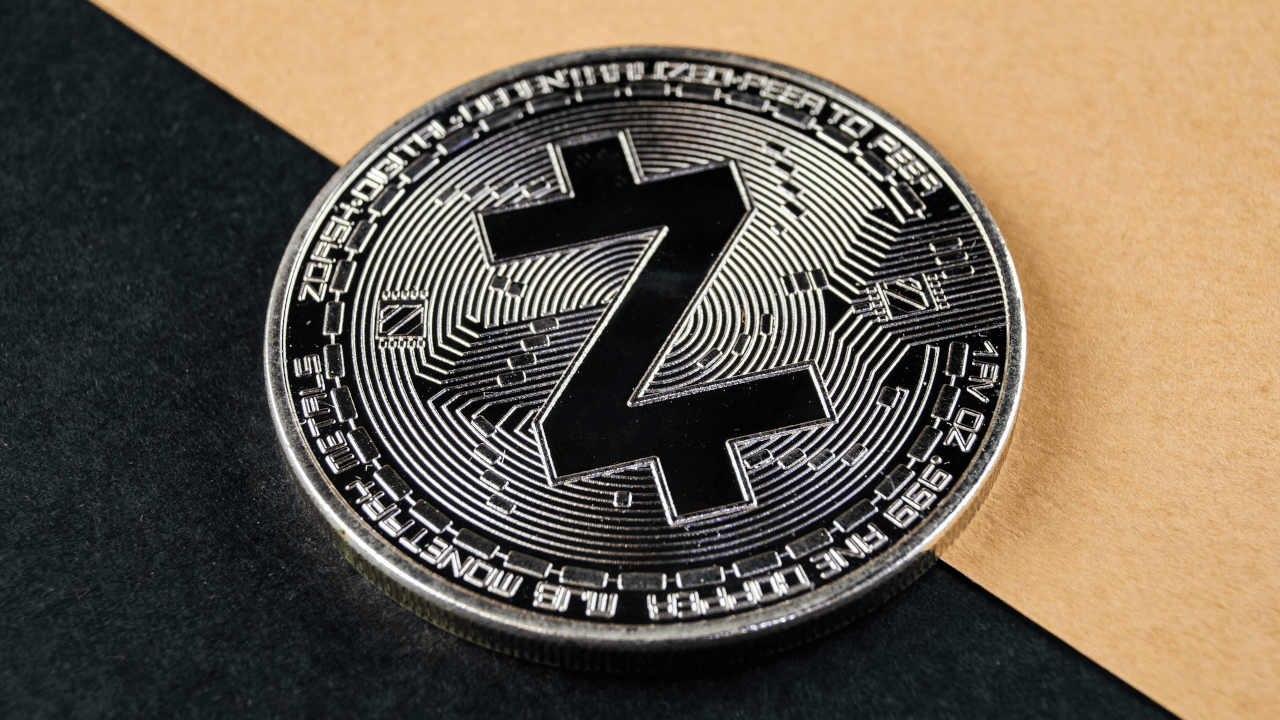
The Catalyst: MultiCoin's Bold Bet on Financial Privacy
MultiCoin Capital just made a statement—and the market listened. The prominent crypto investment firm disclosed a substantial Zcash (ZEC) position, sending the privacy-focused token surging 37% in a matter of days. This isn't random FOMO. MultiCoin's thesis centers on a stark reality: wealth seizure risks are climbing globally, and private assets are becoming less of a luxury and more of a necessity.
The timing is everything here. As governments worldwide tighten financial controls and regulatory frameworks expand, institutional money is quietly rotating into privacy infrastructure. Zcash, with its zero-knowledge proof technology, offers something Bitcoin and Ethereum can't: optional transaction privacy that actually works. MultiCoin's move signals that serious players are taking privacy seriously as an asset class.
Why This Matters Beyond the Price Pump
This isn't just another altcoin rally. We're watching a fundamental shift in how sophisticated investors think about portfolio construction. The 37% ZEC gain reflects something deeper than hype—it's recognition that privacy has real value in a world of financial surveillance.
Zcash's shielded transactions use zero-knowledge proofs, meaning you can prove you own funds without revealing the transaction details. That's technically superior to Monero's mandatory privacy or Dash's mixing approach. For institutional investors worried about asset seizure, counterparty risk, or simply maintaining financial sovereignty, this distinction matters.
MultiCoin's disclosure also validates a growing narrative in crypto analysis: privacy coins aren't fringe assets anymore. They're portfolio hedges against regulatory overreach and geopolitical uncertainty. When major crypto funds start accumulating ZEC, it typically precedes broader institutional adoption.
Market Intelligence: What Comes Next
The immediate question: is this a one-off trade or the start of a sustained institutional rotation into privacy tech?
Our read: this is likely the beginning of a trend, not the end. Several factors support this view:
Regulatory pressure is intensifying. Governments from the EU to the US are implementing stricter financial controls. This pushes serious money toward privacy solutions.
Zcash's tech advantages are becoming mainstream knowledge. The more people understand zero-knowledge proofs, the more rational the demand for privacy infrastructure becomes.
Bitcoin and Ethereum's traceability is a feature, not a bug—for governments. Privacy coins fill a market gap these giants intentionally left empty.
Watch for copycat moves from other tier-one crypto funds. When one institutional player accumulates a position this size, others typically follow within weeks or months. That could push ZEC significantly higher, assuming Bitcoin and Ethereum maintain their market positions.
Alpha Take
MultiCoin's ZEC accumulation and the ensuing 37% rally signal institutional recognition that privacy isn't a niche feature—it's a core financial utility in an increasingly surveilled world. For traders and portfolio managers, this is a signal that privacy coins warrant renewed attention in crypto market intelligence frameworks. If regulatory pressure continues climbing, expect privacy-focused tokens to outperform the broader crypto market during risk-off periods, making them valuable portfolio diversifiers alongside Bitcoin and Ethereum holdings.
Originally reported by
Decrypt
Not financial advice. Crypto investing involves significant risk. Past performance does not guarantee future results. Always do your own research.