
Progressive Senators Demand Labor Department Block Crypto in Retirement Plans
Bernie Sanders and Elizabeth Warren are taking direct aim at a proposed Department of Labor rule that would let retirement plan fiduciaries include crypto and private equity exposure in 401(k) portfolios. In a letter to Labor Secretary Pete Buttigieg, the two senators argue the plan would expose r
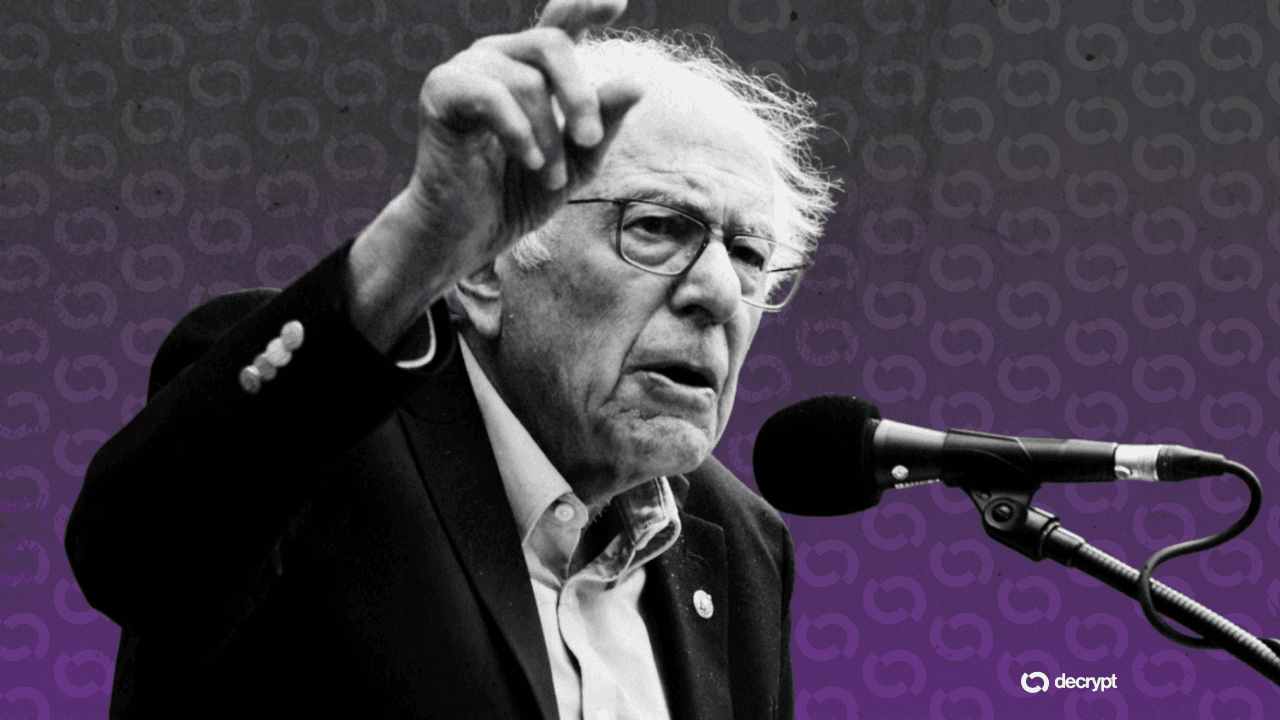
Bernie Sanders and Elizabeth Warren are taking direct aim at a proposed Department of Labor rule that would let retirement plan fiduciaries include crypto and private equity exposure in 401(k) portfolios.
In a letter to Labor Secretary Pete Buttigieg, the two senators argue the plan would expose retirees to unnecessary risk while personally benefiting President Trump. They're calling for the department to scrap the proposal entirely.
"This proposed rule would allow fiduciaries to offer riskier assets like cryptocurrency and private equity to retirement savers," the senators wrote, flagging what they see as a fundamental misalignment between fiduciary duty and speculative trading. Their concern centers on the vulnerable position of everyday investors who lack the sophistication to evaluate complex crypto and private equity positions within their retirement vehicles.
The proposal under scrutiny stems from the Trump administration's broader push to deregulate financial markets and expand investment options. Critics, including Sanders and Warren, see it as a backdoor mechanism to funnel retirement capital into volatile assets—particularly crypto—during a bull market cycle. The timing matters: retail participation in bitcoin and ethereum surged throughout 2023-2024, and opening 401(k) channels would represent a major institutional validation for digital assets.
Warren and Sanders argue the rule violates the Employee Retirement Income Security Act's core principle that fiduciaries must act in workers' best interests. "Retirees shouldn't have their nest eggs gambled away on speculative investments," Warren stated in prepared remarks, positioning the issue as a matter of worker protection.
The senators also highlight personal interests at stake. They contend Trump's known affinity for crypto—he's repeatedly signaled support for the industry—means the administration's push carries ulterior motives beyond legitimate regulatory modernization. This framing taps into broader concerns about regulatory capture and the revolving door between Wall Street interests and government policy.
Private equity, bundled with crypto in the proposal, adds another layer to the debate. While PE has matured as an asset class, its illiquidity and performance variability make it a poor fit for workers who need accessible retirement funds. Combining crypto with private equity under the same regulatory umbrella creates a precedent that could legitimize even riskier asset inclusion down the line.
The Labor Department hasn't finalized the rule, leaving room for political pressure to shift the outcome. Buttigieg faces pressure from both directions: progressive lawmakers demanding he kill the proposal, and market advocates arguing that informed retirees should have choice.
For crypto proponents, blocking this pathway would be a setback. The industry has spent years positioning bitcoin as a legitimate portfolio diversifier and inflation hedge. A 401(k) gateway would've represented a significant validation from institutional finance, opening trillions in potential inflows. Without access through retirement plans, retail crypto participation remains dependent on direct purchases through exchanges and self-directed brokerage accounts.
The regulatory battle reveals the deeper tension in crypto adoption: while institutions and sophisticated investors increasingly embrace digital assets, policymakers remain skeptical about mass-market exposure, particularly when retirement security hangs in the balance.
Alpha Take
This isn't just political theater—it's a critical moment for crypto's institutional legitimacy. Blocking 401(k) access kills a major pathway for retail crypto adoption and signals political resistance to treating digital assets as mainstream investments. Keep tabs on Labor Department guidance over the next quarter; the outcome could either accelerate or significantly slow crypto's integration into traditional wealth management.
Originally reported by
Decrypt
Not financial advice. Crypto investing involves significant risk. Past performance does not guarantee future results. Always do your own research.