
PS5 Jailbreak Drops as Sony Doubles Down: You Don't Own Your Games
The timing is brutal. Just as Sony's legal team argues in court that players lack ownership rights over their digital game purchases, security researcher Nathan Fargo—founder of Linear Fox—has released a public jailbreak for the PS5 called Relapse.
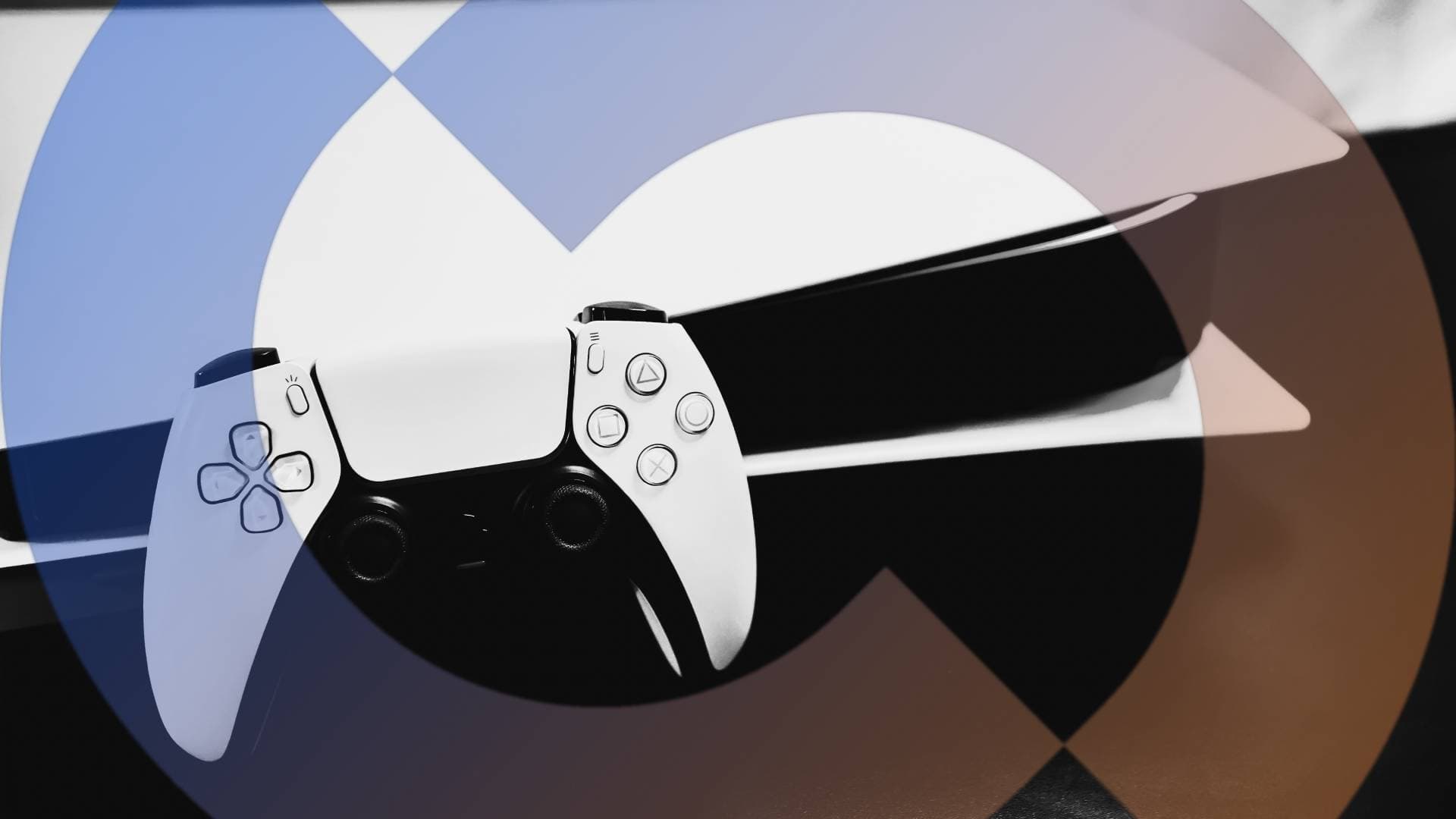
The timing is brutal. Just as Sony's legal team argues in court that players lack ownership rights over their digital game purchases, security researcher Nathan Fargo—founder of Linear Fox—has released a public jailbreak for the PS5 called Relapse.
This isn't some obscure exploit buried in a forum. Fargo's jailbreak is out in the wild, accessible to anyone willing to run it. The move underscores a growing tension in the gaming and crypto ecosystems: centralized platforms controlling digital assets while users have zero recourse if those assets disappear.
Sony's Ownership Argument Backfires
Sony's legal position is straightforward but controversial. The company maintains that when you purchase a digital game on PlayStation, you're not actually buying anything—you're licensing it. That means Sony can theoretically revoke access whenever they want, and you have no claim to that purchase.
We've seen this argument fail across other industries. In the crypto space, blockchain technology exists precisely because people want actual ownership of their digital assets, not permission-based access. The disconnect is glaring: consumers expect ownership when they pay full price for games, and Sony's court arguments are tone-deaf to that reality.
Why Jailbreaks Matter in 2024
Fargo's Relapse jailbreak gives PS5 users something Sony won't: actual control. With it, users can run custom firmware, backup their games, and modify their hardware. It's the digital equivalent of owning the physical cartridge you bought in 1995.
The jailbreak exists because centralized platforms like PlayStation have become walled gardens. Players can't transfer games, can't truly own their libraries, and can't preserve their purchases long-term. That's precisely the problem blockchain and crypto have been trying to solve for years through decentralized ownership models.
The Broader Implications
This collision of events reveals something important about digital ownership. Whether it's games on PlayStation, tokens in your wallet, or NFTs in a marketplace, the question remains: who actually owns what you paid for?
The crypto industry's answer is clear: decentralized, verifiable ownership on immutable ledgers. Traditional gaming's answer—as Sony demonstrates—is: we do, and you're just renting.
The fact that Fargo felt compelled to release Relapse publicly suggests users are tired of that arrangement. When a platform's legal position actively contradicts consumer expectations, jailbreaks become inevitable. It's a market correction.
For traders and investors monitoring the intersection of crypto, gaming, and digital ownership, this is worth tracking. The tension between centralized control and user ownership will define the next wave of platforms. Whether through blockchain-based gaming ecosystems or traditional platforms finally adopting real ownership models, change is coming.
Alpha Take
Sony's "you don't own your games" legal strategy is lighting a fuse that jailbreaks like Relapse inevitably ignite. This perfectly illustrates why decentralized platforms and crypto-native gaming have long-term appeal—users want verifiable, transferable ownership. Watch for gaming platforms that embrace blockchain-based ownership models to gain market share as consumer frustration with digital rights grows.
Originally reported by
Decrypt
Not financial advice. Crypto investing involves significant risk. Past performance does not guarantee future results. Always do your own research.