
Pudgy Penguins Shelves Mobile Battle Royale as NFT Gaming Portfolio Narrows
Pudgy Party is officially dead. The mobile battle royale game built around the popular Pudgy Penguins NFT collection has shut down less than a year after its launch, marking another casualty in the crowded NFT gaming space.
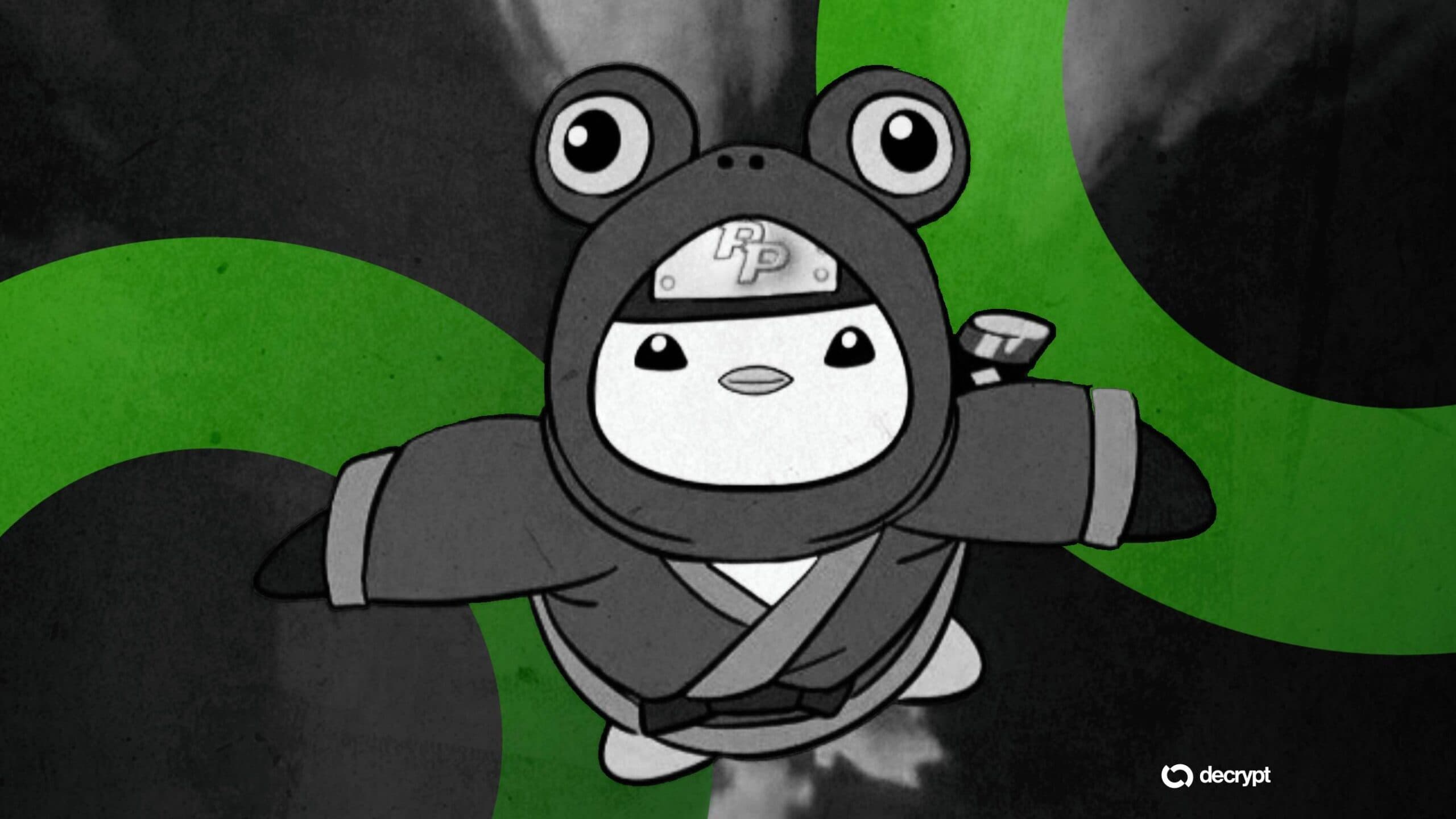
Pudgy Party is officially dead. The mobile battle royale game built around the popular Pudgy Penguins NFT collection has shut down less than a year after its launch, marking another casualty in the crowded NFT gaming space.
The Pudgy Penguins team announced the closure as it reallocates resources toward Pudgy World, its broader metaverse experience. This pivot signals a strategic recalculation—the team is consolidating its gaming efforts rather than maintaining multiple parallel projects competing for user attention and development resources.
Another NFT Gaming Failure
Pudgy Party's short lifespan reflects broader challenges plaguing the NFT gaming sector. Even projects backed by established IP and communities struggle to maintain player engagement beyond initial hype cycles. The Pudgy Penguins brand carries significant weight in the NFT space, with the collection commanding premium valuations and boasting a dedicated holder base. Yet even that foundation proved insufficient to sustain a battle royale title in an oversaturated mobile gaming market.
The game's closure underscores a hard truth: NFT branding alone doesn't guarantee gaming success. Players want compelling mechanics, regular content updates, and genuine reasons to return—not just tokenomics and blockchain integration wrapped around mediocre gameplay. Mobile battle royales face brutal competition from established titans like Fortnite and PUBG, making the barrier to entry extraordinarily high.
Strategic Consolidation at Pudgy Penguins
Rather than viewing this as total failure, the team's shift toward Pudgy World suggests a more focused approach to crypto gaming development. Consolidating efforts into a single metaverse experience makes financial sense, particularly in a market where user acquisition costs remain punishing. By concentrating resources, the Pudgy Penguins organization can build something more cohesive than maintaining multiple fragmented gaming products.
Pudgy World represents the team's intended hub for their gaming and metaverse ambitions. Whether this centralized approach succeeds remains uncertain, but it demonstrates learning from Pudgy Party's underperformance. NFT gaming requires sustained investment and exceptional execution—something that gets harder when spreading thin across multiple titles.
The Broader Market Reality
This closure fits a pattern we're seeing across crypto gaming. Projects launch with enthusiasm, capture speculative interest, then fade when development roadmaps miss targets or gameplay fails to innovate. The window for NFT gaming hype has narrowed considerably since the 2021-2022 peak, and projects now face far more skeptical audiences and harder product benchmarks.
Pudgy Penguins holds advantages many crypto gaming studios lack: an established community, significant capital, and real brand recognition. If even they can't sustain a battle royale title, it reinforces that crypto gaming success requires more than just blockchain mechanics and NFT rewards. The category needs actual game design excellence and sustainable engagement loops.
Alpha Take
Pudgy Party's closure signals that NFT gaming maturity is arriving—the era of minimum-viable products riding on community enthusiasm is ending. Pudgy Penguins' strategic consolidation toward Pudgy World is pragmatic resource management, but the real question is whether a unified metaverse experience can deliver where their fragmented approach failed. Watch how Pudgy World performs; it'll indicate whether the team learned the right lessons about user retention and product-market fit in crypto gaming.
Originally reported by
Decrypt
Not financial advice. Crypto investing involves significant risk. Past performance does not guarantee future results. Always do your own research.