
Putin's Crypto Crackdown: Russia Formally Codifies Digital Asset Market Rules Starting 2026
Russian President Vladimir Putin has officially signed sweeping cryptocurrency legislation that will establish a comprehensive regulatory framework for the nation's digital asset ecosystem. The law creates binding market rules for exchanges, custodians, and investors—marking a significant shift fro
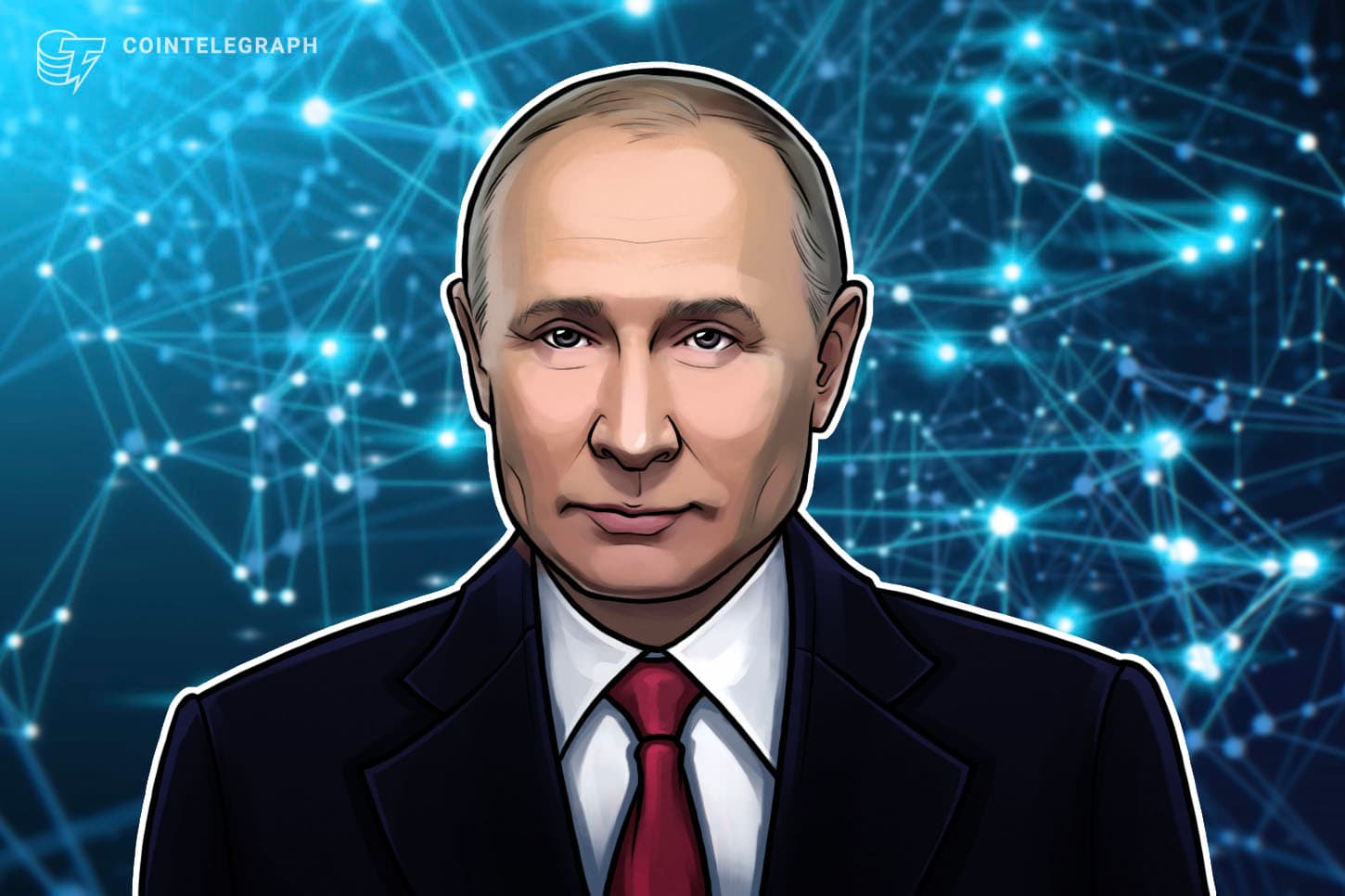
Russian President Vladimir Putin has officially signed sweeping cryptocurrency legislation that will establish a comprehensive regulatory framework for the nation's digital asset ecosystem. The law creates binding market rules for exchanges, custodians, and investors—marking a significant shift from Russia's previously ambiguous stance on crypto.
The Timeline: September 2026 Implementation
The critical detail here: core provisions don't activate until September 2026, giving market participants roughly two years to prepare for compliance. This phased approach suggests Russian authorities understand the infrastructure challenges involved in rolling out crypto market intelligence systems and custody solutions across the country.
This isn't Russia rushing into regulation. The extended timeline reflects careful consideration of how to implement rules affecting exchanges, custodians, and the broader investor base without destabilizing existing market participants.
What's Getting Regulated
The law tackles three critical infrastructure pillars:
Exchanges: Licensed platforms will face explicit operational requirements, likely including capital minimums, consumer protection standards, and transaction monitoring. This mirrors regulatory approaches we've seen in jurisdictions like Singapore and El Salvador.
Custodians: Digital asset custody providers—crucial for institutional adoption—must now operate under formal licensing. This addresses a major gap in Russia's crypto market and signals serious intent toward institutional participation.
Investor protections: The framework establishes rules governing how retail and institutional investors can participate in crypto trading and holding. Expect KYC/AML requirements and investor suitability standards.
Why This Matters for Crypto Portfolio Analysis
For traders and portfolio managers monitoring Russian market exposure, this is material. The law creates legitimate on-ramps for institutional capital into Russian crypto markets while simultaneously building guardrails against retail speculation. That's the classic regulatory playbook: legitimacy plus protection.
The 2026 timeline gives savvy traders two years to analyze which exchanges and custodians will survive the licensing gauntlet. Not all current players will make it through—some lack the compliance infrastructure or capital reserves needed for formal registration.
The Geopolitical Subtext
Don't overlook the context: Russia faces international sanctions and banking restrictions. Cryptocurrency represents an alternative financial rail for cross-border transactions. While Putin's law frames this as market development, it simultaneously creates a controlled environment where Russian authorities can monitor all major crypto flows. That's regulatory capture with a sophistication angle.
For crypto traders with Russian exposure or clients seeking emerging market diversification, this law transforms an unregulated frontier into a structured market with known risk parameters. That's either opportunity or friction, depending on your portfolio construction.
Alpha Take
Putin's signature on this crypto law represents institutionalization rather than prohibition—Russia is building crypto legitimacy while maintaining state oversight. September 2026 becomes a hard date for trading desks: begin analyzing which Russian exchanges and custodians will qualify for licensing, as non-compliant platforms face potential shutdown. This creates a two-year arbitrage window for sophisticated traders positioning around regulatory winners and losers in the Russian crypto market.
Originally reported by
CoinTelegraph
Not financial advice. Crypto investing involves significant risk. Past performance does not guarantee future results. Always do your own research.