
Quantum Computing's Crypto Wild Card: IonQ's Superion 256 Pushes Industry Forward as Bitcoin Devs Chart Protocol Course
IonQ has crossed a significant manufacturing milestone. The quantum computing pioneer has fabricated its first chips and started prototype testing—a critical step toward scaling production of its Superion 256 quantum computer.
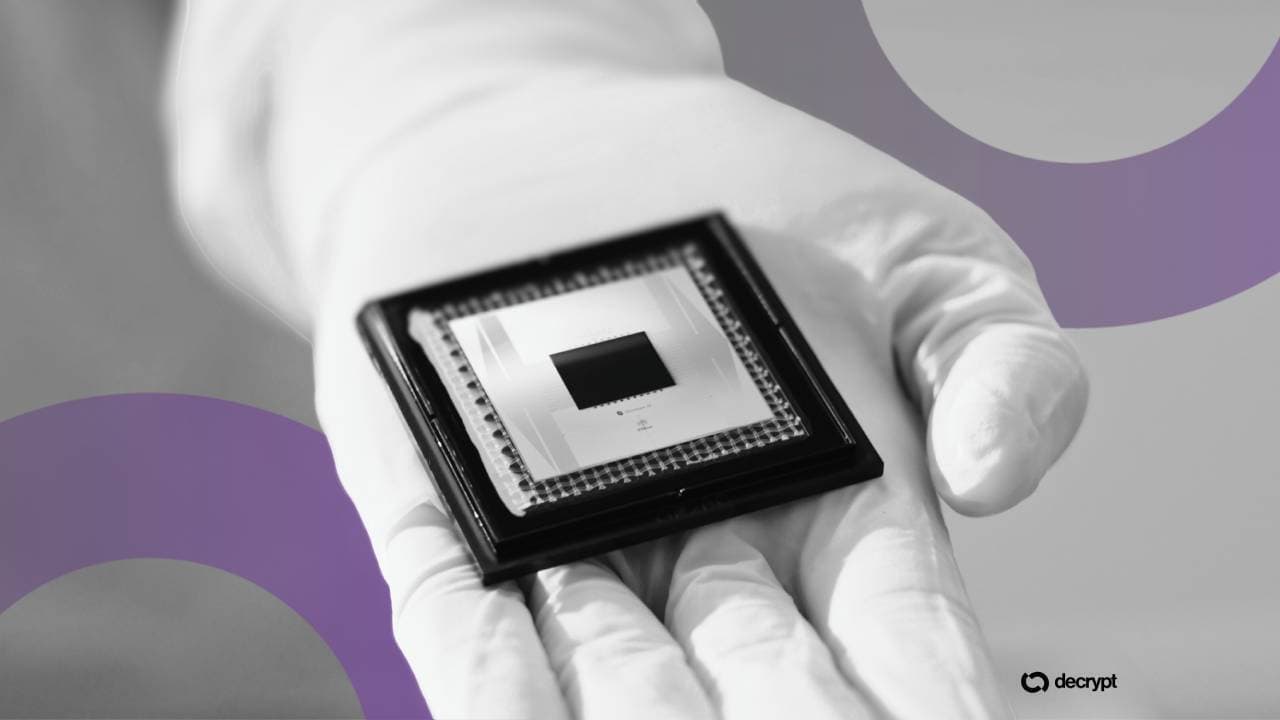
IonQ has crossed a significant manufacturing milestone. The quantum computing pioneer has fabricated its first chips and started prototype testing—a critical step toward scaling production of its Superion 256 quantum computer.
This development matters to the crypto ecosystem more than it might initially appear. While Bitcoin developers continue debating protocol upgrades and layer-two solutions, quantum computing advancement represents a longer-term consideration for blockchain security architecture.
What IonQ's Superion 256 Represents
The Superion 256 represents IonQ's push toward practical quantum systems that can handle real-world computational problems. By moving from pure research into chip fabrication and prototype validation, the company is demonstrating that commercialized quantum computing is transitioning from theoretical to tangible.
The 256 designation refers to the system's qubit count—a measure of quantum computing power. For context, achieving stable, error-corrected qubits at scale remains one of the industry's hardest engineering problems. IonQ's progress here signals that quantum systems capable of meaningful computation are moving closer to reality.
The Crypto Connection: Long-Term Security Considerations
For the bitcoin and ethereum communities, quantum computing advancement forces a reckoning. Current cryptocurrency security relies on cryptographic algorithms—primarily ECDSA for Bitcoin and other chains—that quantum computers could theoretically compromise. We're not talking about imminent threats; quantum computers capable of breaking modern encryption remain years away. But the trajectory is clear.
Bitcoin developers have already begun preliminary discussions around quantum-resistant cryptography. Ethereum and other major chains are monitoring the landscape. The fact that IonQ and competitors are making tangible manufacturing progress means crypto security teams need to accelerate post-quantum cryptography research and eventual protocol upgrades.
Manufacturing Scale: The Real Test
IonQ's shift into chip fabrication and prototype testing represents a crucial inflection point. Building quantum computers at research scale differs fundamentally from manufacturing them at commercial volumes. The company's ability to iterate on chip design, validate manufacturing processes, and produce consistent quantum systems will determine whether quantum computing becomes a widespread computational tool or remains boutique technology.
For crypto analysis purposes, this matters because widespread quantum computing access would eventually create pressure for rapid blockchain security upgrades. If IonQ and competitors successfully scale production, timeline assumptions around quantum threats to crypto networks change.
Bitcoin Devs' Current Focus
While IonQ races forward with quantum hardware, Bitcoin's core developers remain focused on more immediate priorities: scalability improvements, transaction efficiency, and protocol refinement. The ongoing debates around Bitcoin's development roadmap center on solutions like Taproot integration enhancements and layer-two network maturation.
This parallel development—quantum computing advancing on one track, bitcoin protocol evolution on another—creates a scenario where crypto systems must eventually converge on quantum-safe architectures without disrupting current network functionality.
Alpha Take
IonQ's chip fabrication milestone accelerates the timeline for real quantum computing capabilities in ways crypto portfolios should monitor. While current bitcoin and ethereum security remains sound against existing threats, the convergence of quantum hardware advancement and protocol upgrade discussions suggests security-focused upgrades will dominate development agendas within 5-10 years. Investors tracking crypto market intelligence should view quantum computing progress as a macro variable affecting long-term protocol risk assessments.
Originally reported by
Decrypt
Not financial advice. Crypto investing involves significant risk. Past performance does not guarantee future results. Always do your own research.