
Rapper's Solana Token Becomes Legal Battlefield Over Misleading Utility Claims
Iggy Azalea is facing a class-action lawsuit from investors who claim she deliberately misrepresented the real-world utility of her Solana-based meme coin, highlighting growing legal scrutiny around celebrity crypto projects. The lawsuit alleges that Azalea and her team made false promises about w
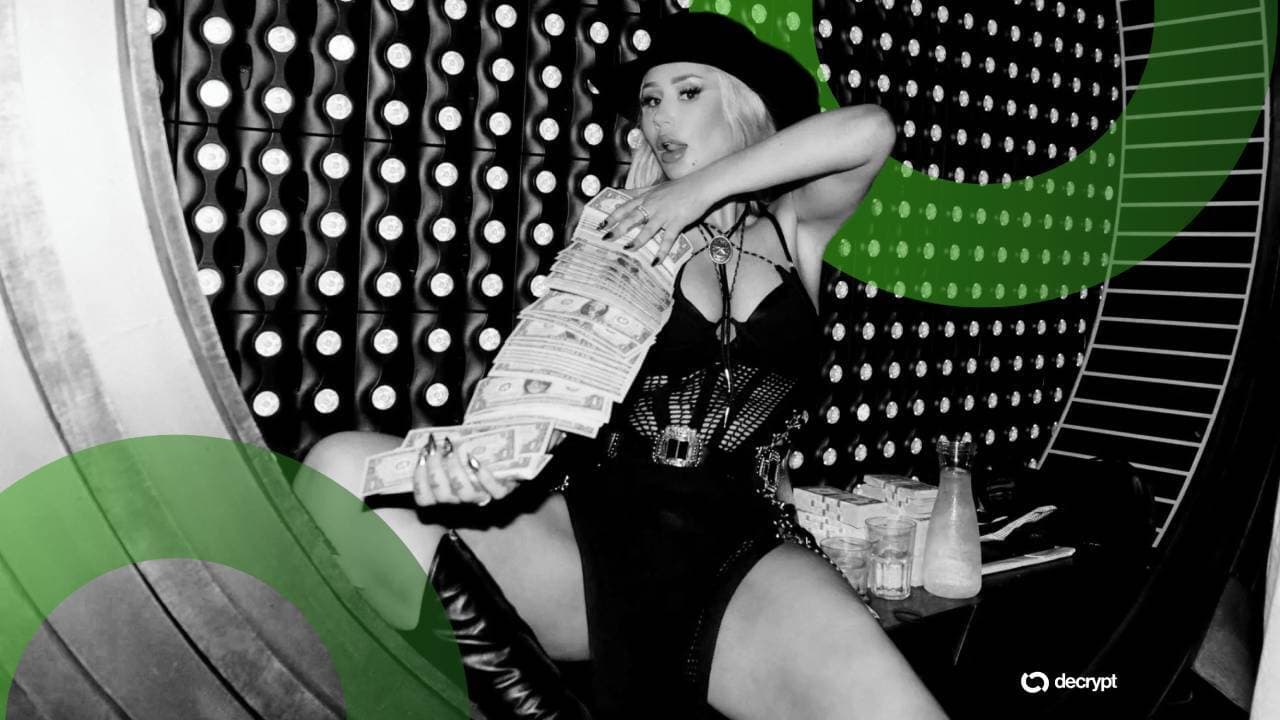
Iggy Azalea is facing a class-action lawsuit from investors who claim she deliberately misrepresented the real-world utility of her Solana-based meme coin, highlighting growing legal scrutiny around celebrity crypto projects.
The lawsuit alleges that Azalea and her team made false promises about what the token could actually do, attracting retail investors who believed they were buying into a project with legitimate use cases. Instead, plaintiffs argue, they purchased what amounts to a speculative asset with no substantive backing or functional purpose.
This case underscores a critical pattern we're tracking: celebrities launching crypto tokens without proper disclosure frameworks or realistic utility roadmaps. The meme coin space has exploded on Solana, with numerous influencers and public figures launching tokens as quick monetization plays rather than genuine projects.
The Utility Gap Problem
The core allegation centers on misrepresentation of token utility. Investors claim they were told the token would serve specific functions within an ecosystem or provide tangible benefits—claims that allegedly didn't materialize. This distinction matters legally: tokens marketed with false utility claims fall into dangerous territory around securities regulations and fraud liability.
Solana has become the preferred blockchain for meme coins due to its low transaction costs and high speed, making it ideal for viral token launches. But this accessibility has also created an environment where vague promises substitute for actual development. The Azalea situation is less about Solana's technology and more about what gets built on top of it.
Celebrity Crypto Risk Factor
Celebrity-backed crypto projects operate in a murky zone. When A-list names attach themselves to tokens, retail investors often interpret their involvement as due diligence and legitimacy—dangerous assumptions. The lawsuit suggests Azalea's platform was used to drive adoption among fans and followers who lacked the sophistication to evaluate the project's technical merits.
This isn't the first time we've seen celebrity projects face legal challenges. The space has learned hard lessons about influencer marketing combined with unregistered securities. Regulators are increasingly viewing celebrity endorsements of tokens as material marketing that requires proper disclaimers and substantiation.
Market Implications
The litigation sends a clear signal: just because you can launch a token on Solana doesn't mean you should without thinking through regulatory compliance and actual utility. We're likely to see more lawsuits against celebrity projects as investors get savvier and more aggressive about recouping losses from failed token launches.
For portfolio managers and traders, this reinforces a basic rule: celebrity backing is not a substitute for fundamentals analysis. Meme coins remain highly speculative, and celebrity involvement typically adds hype rather than value. The Azalea case demonstrates why due diligence on token utility and team credibility remains essential, regardless of who's promoting it.
Alpha Take
This lawsuit reflects the maturing legal landscape around crypto and celebrity projects. Expect regulators and plaintiffs' attorneys to become more aggressive with celebrity token launches that lack genuine utility or transparent communication. For traders, the lesson is straightforward: celebrity endorsement ≠ investment thesis. Focus your portfolio decisions on actual tokenomics, developer activity, and stated use cases rather than who's tweeting about a project.
Originally reported by
Decrypt
Not financial advice. Crypto investing involves significant risk. Past performance does not guarantee future results. Always do your own research.