
Real-World Assets Meet Europe's SME Crisis: Why Tokenization Could Be the Game-Changer
Europe's small and medium-sized enterprises are facing a credit crunch, and blockchain-based real-world asset (RWA) tokenization might finally offer them a viable escape route. We've been watching this space closely at Alpha Factory, and the emerging models are compelling enough to warrant serious
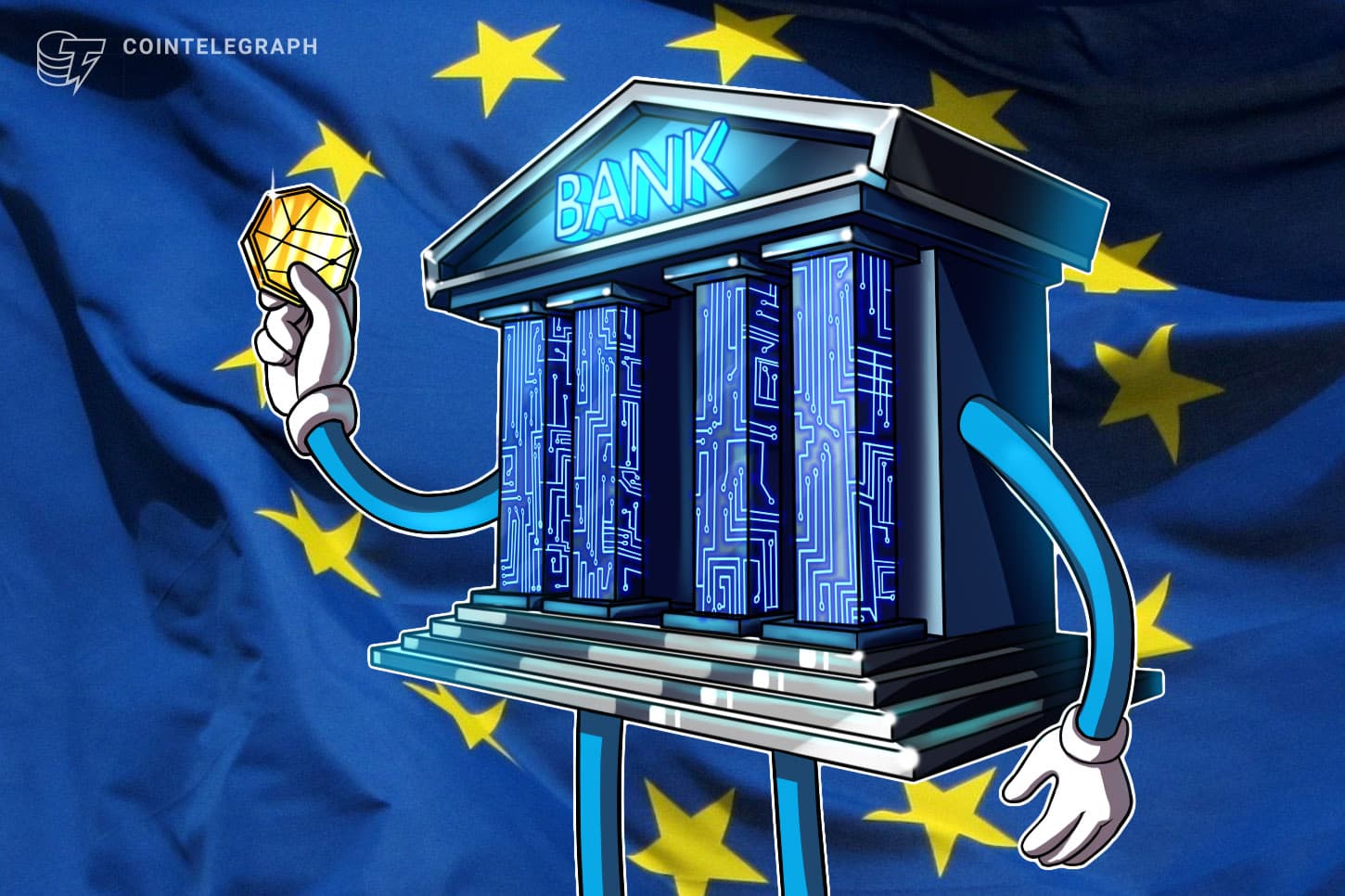
Europe's small and medium-sized enterprises are facing a credit crunch, and blockchain-based real-world asset (RWA) tokenization might finally offer them a viable escape route. We've been watching this space closely at Alpha Factory, and the emerging models are compelling enough to warrant serious attention from institutional players.
The SME Funding Gap Nobody's Talking About
Here's the reality: traditional banking has largely abandoned Europe's SME segment. These businesses—the backbone of the European economy—struggle to access affordable capital because legacy financial systems see them as too risky or administratively burdensome. Banks would rather focus on larger corporate clients with fat margins and lower compliance overhead.
Enter crypto-native solutions. Tokenizing real-world assets creates a direct bridge between SMEs and capital markets that previously ignored them. Instead of pitching to a skeptical loan officer, businesses can now leverage tangible collateral—inventory, equipment, receivables—and tap into a global pool of liquidity through decentralized finance mechanisms.
How RWA Tokenization Actually Works for SMEs
The mechanics are straightforward but powerful: an SME identifies eligible assets (real property, machinery, accounts receivable), these assets get appraised and converted into blockchain-based tokens, and those tokens serve as collateral for credit facilities. The beauty? No traditional bank gatekeepers required.
A fresh Cointelegraph Research report digs into this with a concrete case study that walks through the entire process. The analysis demonstrates how this model removes friction points that have historically locked SMEs out of capital markets. We're talking about:
- •Faster approval cycles compared to traditional bank lending (weeks instead of months)
- •Lower intermediary costs because blockchain reduces administrative overhead
- •Transparent pricing since assets are tokenized and continuously verified on-chain
- •Access to global capital rather than being confined to local banking markets
Why This Matters for Crypto Market Intelligence
For traders and portfolio managers tracking the broader crypto ecosystem, RWA tokenization represents one of the most underrated applications of blockchain technology. While bitcoin and ethereum hog the headlines, the real institutional adoption story is happening in permissioned token infrastructure and compliance-friendly RWA protocols.
We're seeing growing interest from both traditional finance and crypto-native players looking to capture this market. The addressable opportunity is massive—Europe's SME sector represents millions of potential borrowers currently starved for capital.
The Execution Challenge
It's not all smooth sailing. Regulatory clarity remains inconsistent across European jurisdictions, and asset valuation methodologies need further standardization for institutional comfort. But these are solvable problems, not structural flaws.
The report's case study shows that when RWA protocols operate within existing regulatory frameworks and partner with compliant intermediaries, the model works. That's the signal we're watching closely.
Alpha Take
RWA tokenization for SME lending represents a legitimate intersection of blockchain utility and real-world financial need—not crypto speculation dressed up as innovation. If executed properly, this could unlock billions in trapped economic value across Europe. Investors should monitor which protocols and platforms successfully navigate the regulatory minefield; first-mover advantages here will be substantial. This is enterprise adoption, not retail hype.
Originally reported by
CoinTelegraph
Not financial advice. Crypto investing involves significant risk. Past performance does not guarantee future results. Always do your own research.