
Reform Leader Faces Ethics Probe Over Alleged Tether Donor Influence Campaign
A Labour MP has filed a complaint with the UK's parliamentary standards watchdog, alleging that Reform leader Nigel Farage lobbied the Bank of England on behalf of his party's largest financial backer—a significant Tether investor whose holdings could materially benefit from specific policy changes.
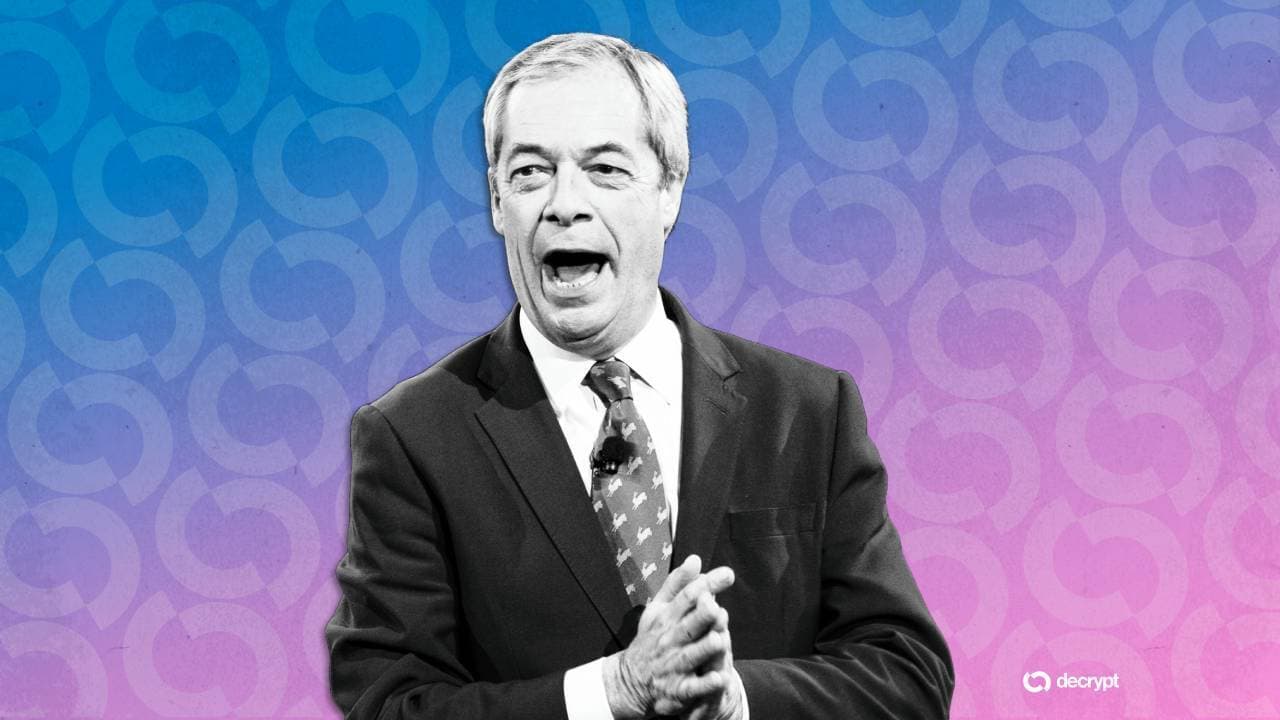
A Labour MP has filed a complaint with the UK's parliamentary standards watchdog, alleging that Reform leader Nigel Farage lobbied the Bank of England on behalf of his party's largest financial backer—a significant Tether investor whose holdings could materially benefit from specific policy changes.
The Allegation
The complaint centers on Farage's interactions with Bank of England officials regarding regulatory positions that would ostensibly benefit Tether, the stablecoin issuer. According to the Labour MP filing the complaint, Farage allegedly used his political platform to advocate for crypto-friendly policies while failing to disclose the potential conflicts of interest tied to his donor base.
The accusation raises uncomfortable questions about the intersection of political influence and cryptocurrency interests in British governance. Specifically, the allegation suggests that Farage may have leveraged his access to central banking institutions to advance the commercial interests of his party's major financial supporter—a move that could violate parliamentary conduct rules requiring transparency around potential financial conflicts.
Why This Matters for Crypto Markets
This development carries real implications for crypto sentiment around regulatory clarity in the UK. If substantiated, the allegations could undermine trust in ostensibly independent crypto advocacy and complicate future discussions between the crypto industry and British policymakers. The incident highlights how closely entangled political donations, lobbying efforts, and cryptocurrency interests have become within Westminster.
For portfolio managers and traders tracking crypto regulation, this is worth monitoring. Political credibility issues can cascade into regulatory positioning—what starts as an ethics complaint can shape public perception of crypto policy conversations for years.
The Broader Context
Tether, currently the world's largest stablecoin by market capitalization, operates in an increasingly scrutinized regulatory environment. Any suggestion of backdoor political influence attempting to soften oversight could invite sharper regulatory scrutiny, not less. The irony is that opaque political advocacy for crypto-friendly policies often triggers the opposite response from regulators and lawmakers concerned about industry capture.
The Bank of England has been methodical in its crypto stance, balancing innovation with financial stability concerns. Allegations of improper lobbying could harden institutional resistance to future crypto industry requests—a self-defeating outcome for advocates pushing for reasonable regulatory frameworks.
Alpha Take
The alleged connection between Farage's Bank of England outreach and his largest donor's Tether holdings exemplifies why the crypto industry struggles to gain mainstream political legitimacy. Even sympathetic politicians face serious reputational and legal risks if their advocacy appears financially motivated rather than principled. For traders monitoring UK crypto regulation and Tether's stablecoin positioning, expect increased scrutiny from both parliamentary oversight and regulatory bodies—potentially creating near-term headwinds for sterling-based crypto trading pairs. This story reinforces a critical trading intelligence principle: follow the money flows between politics and crypto, because regulatory surprises often hide behind donor relationships.
Originally reported by
Decrypt
Not financial advice. Crypto investing involves significant risk. Past performance does not guarantee future results. Always do your own research.