
Robinhood CEO's Social Media Account Compromised in Coordinated Memecoin Fraud
Vlad Tenev's X account fell victim to hackers who seized control to push a fraudulent "VLAD" memecoin scheme, complete with what security analysts flagged as a malicious smart contract address. The Breach The hack represented a straightforward but effective attack vector: compromise a high-pro
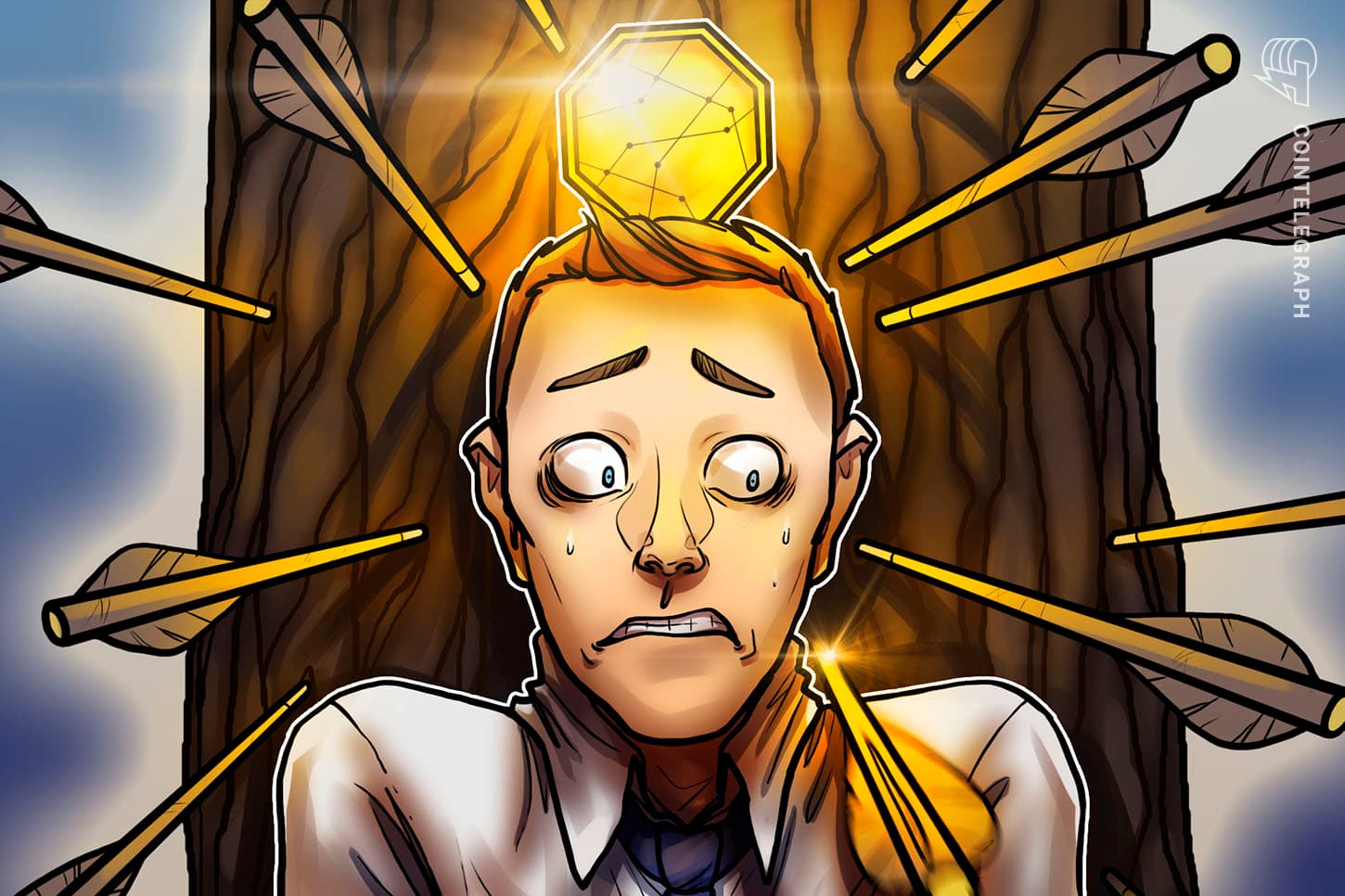
Vlad Tenev's X account fell victim to hackers who seized control to push a fraudulent "VLAD" memecoin scheme, complete with what security analysts flagged as a malicious smart contract address.
The Breach
The hack represented a straightforward but effective attack vector: compromise a high-profile account, weaponize its follower base for a quick exit scam. Tenev, who leads the retail trading platform Robinhood, had his account briefly hijacked to broadcast posts promoting the fake token. The attacker distributed what appeared to be the memecoin's contract address, designed to route unsuspecting traders into a rug pull or similar exploit.
This incident underscores a persistent vulnerability in crypto's security infrastructure. Even well-resourced executives managing billion-dollar platforms remain exposed to basic account takeover tactics. For traders and investors, it's a brutal reminder that celebrity endorsements—whether legitimate or compromised—shouldn't drive portfolio decisions.
Why This Matters for Your Portfolio
The broader implication cuts deeper than one hacked account. Memecoins continue proliferating as a vector for social engineering attacks. Scammers know that retail participants often follow celebrity figureheads and act on announcements without verifying authenticity. A compromised X account belonging to a major financial platform CEO amplifies this exploit exponentially—potentially reaching hundreds of thousands of followers in minutes.
From a market intelligence perspective, we're watching a predictable pattern: high-profile compromises drive short-term volatility, attract opportunistic traders hunting for "dips," and occasionally create contagion effects if the hack targets someone with broader influence over crypto sentiment.
Security Red Flags
Here's what distinguishes this from typical phishing attempts: the attacker didn't aim to extort Tenev or steal credentials for longer-term access. The goal was pure financial fraud through a memecoin contract. This suggests either:
1. A coordinated group pre-staging the token before the breach 2. An opportunistic actor with quick deployment capabilities 3. A test run to validate larger-scale social engineering campaigns against crypto executives
The presence of a "malicious token contract address" points to sophisticated preparation. Legitimate memecoins don't require sleeper accounts compromised weeks in advance. This was calculated.
What Traders Should Extract
The crypto market's memecoin ecosystem remains rife with exploits. While bitcoin and ethereum maintain institutional-grade custody and security infrastructure, alternative tokens—especially those promoted through viral campaigns—lack similar safeguards. This hack reinforces why due diligence beats hype.
Additionally, it highlights a critical gap: even Robinhood's resources couldn't prevent a basic account compromise. If enterprise-level security can fail, retail investors using weaker operational security are substantially more vulnerable. Two-factor authentication, device isolation, and skepticism toward unsolicited promotions aren't optional—they're baseline trading hygiene.
The incident will likely prompt X to issue security advisories and Robinhood to conduct internal reviews. For the broader market, it's another data point confirming that social trust remains exploitable in crypto, regardless of the brand's legitimacy or resources.
Alpha Take
Account compromises targeting high-profile crypto figures will continue until platforms enforce stronger authentication protocols and security standards. Memecoin frauds represent some of crypto's lowest-hanging fruit for scammers—avoid chasing them based on celebrity endorsement alone. Use this as a reminder: verify contract addresses independently, cross-reference announcements across multiple secure channels, and treat viral promotions with appropriate suspicion. Your portfolio's security depends on it.
Originally reported by
CoinTelegraph
Not financial advice. Crypto investing involves significant risk. Past performance does not guarantee future results. Always do your own research.