
Robinhood's Layer 2 Play Reignites Ethereum Momentum While Institutional Voices Create Noise
Robinhood's Layer 2 launch is generating genuine bullish sentiment across the Ethereum ecosystem—even among traditionally skeptical voices. We're seeing broad consensus that the exchange's move into Ethereum scaling infrastructure could meaningfully expand ETH utility and adoption, regardless of wh
Robinhood's Layer 2 launch is generating genuine bullish sentiment across the Ethereum ecosystem—even among traditionally skeptical voices. We're seeing broad consensus that the exchange's move into Ethereum scaling infrastructure could meaningfully expand ETH utility and adoption, regardless of where individual analysts stand on the broader crypto narrative.
Robinhood Chain: The Ethereum Catalyst Nobody Saw Coming
The fintech giant's entry into Layer 2 development marks a significant inflection point for Ethereum's scaling story. By building on the Ethereum stack, Robinhood is essentially validating the network's long-term viability as a settlement layer. What's notable here is the convergence of opinion—even skeptics acknowledge this development strengthens Ethereum's competitive moat against alternative L1s. The infrastructure play signals that major institutional players see real economic value in Ethereum's ecosystem, not just speculative opportunity.
We're watching this closely because Layer 2 adoption directly impacts ETH's transaction throughput and fees. More volume flowing through Ethereum rollups means more demand for ETH as the settlement asset. For traders, this creates downstream effects: increased network activity, higher staking yields, and potentially better risk-adjusted returns as liquidity deepens.
Institutional Volatility: When Famous Names Muddy the Waters
The crypto space got messier this week with high-profile figures creating distraction rather than clarity. When prominent politicians and business leaders make public statements about digital assets—especially when those statements veer into controversy—it injects unnecessary uncertainty into market sentiment.
Michael Saylor's recent commentary exemplifies this dynamic. His ability to move market narratives, whether intentional or not, reminds us that crypto markets remain highly responsive to personality-driven discourse. For portfolio managers, this is worth noting: personality risk is real, and headlines from influential figures can trigger volatility independent of fundamental developments.
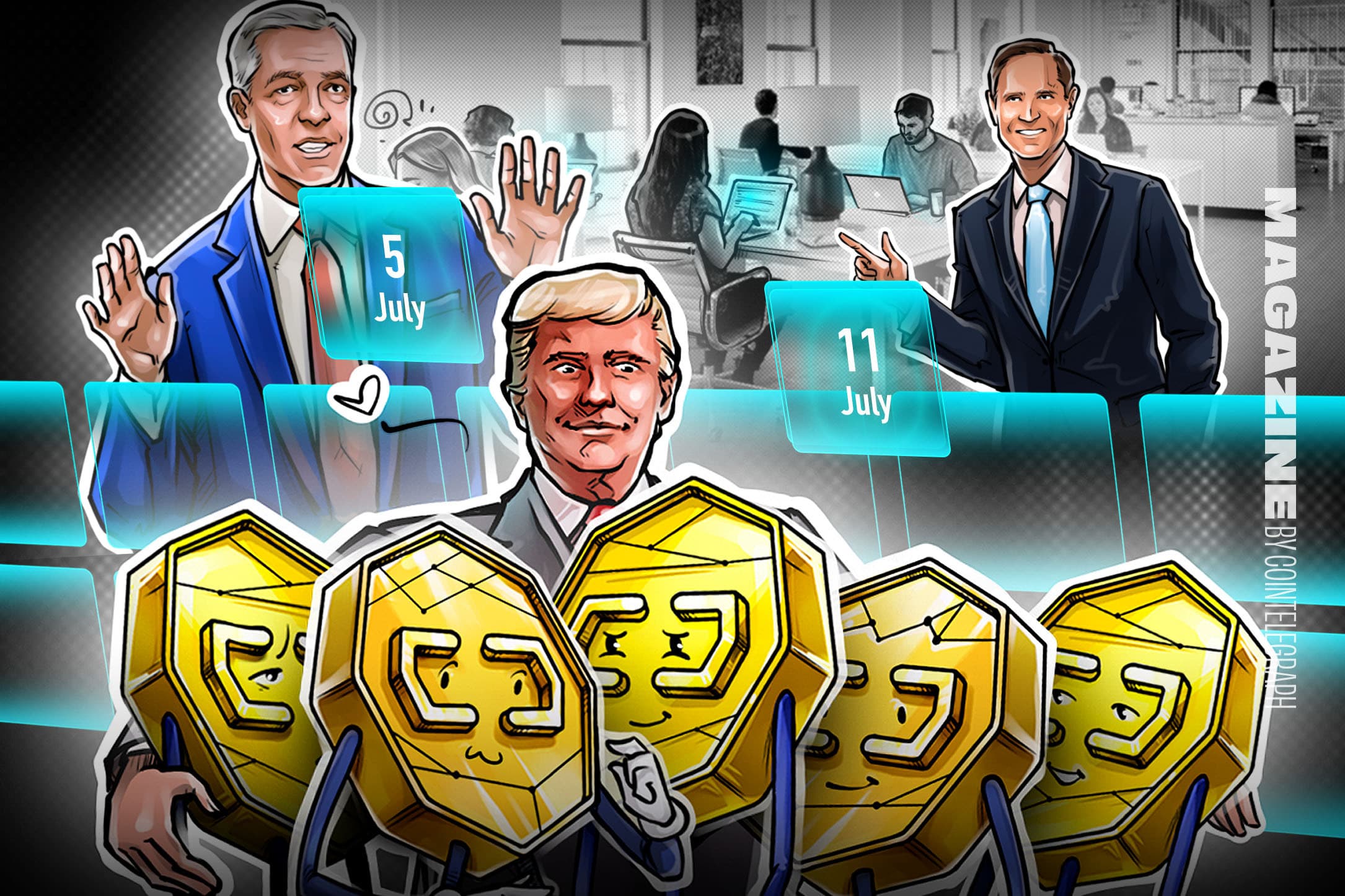
Political figures entering the crypto sphere adds another layer of complexity. Whether it's Nigel Farage, Donald Trump, or others, their involvement tends to create binary reactions—either enthusiastic support or fierce opposition—rather than measured analysis. This polarization creates trading opportunities for those who can separate signal from noise.
What Actually Matters for Your Portfolio
Layer 2 infrastructure expansion is a legitimate positive for Ethereum's long-term trajectory. Real adoption metrics—transaction volume, TVL across rollups, developer activity—are what drive sustainable value creation. The Robinhood announcement fits this pattern of institutional money taking Ethereum scaling seriously.
Conversely, noise from high-profile figures should be weighted appropriately in your decision-making framework. Sensational headlines drive short-term price action, but they're poor guides for position sizing or portfolio construction. The market rewards those who can distinguish between genuine catalysts and temporary distractions.
Alpha Take
Robinhood Chain legitimizes Ethereum's Layer 2 scaling narrative by bringing significant institutional liquidity and distribution to the ecosystem. We're seeing this as structurally positive for ETH, though volatility will likely persist around unrelated headline risk. For crypto traders, focus on Layer 2 adoption metrics and network fundamentals rather than personality-driven market moves—that's where edge actually exists.
Originally reported by
CoinTelegraph
Not financial advice. Crypto investing involves significant risk. Past performance does not guarantee future results. Always do your own research.