
Royal Summit on AI: King Charles Brings Tech Giants Together to Chart Responsible AI Path
King Charles orchestrated a high-level gathering at his Scottish estate, pulling together the leadership teams from OpenAI, Anthropic, Nvidia, and Google to tackle one of tech's thorniest questions: how to keep artificial intelligence aligned with human interests. The timing carries weight.
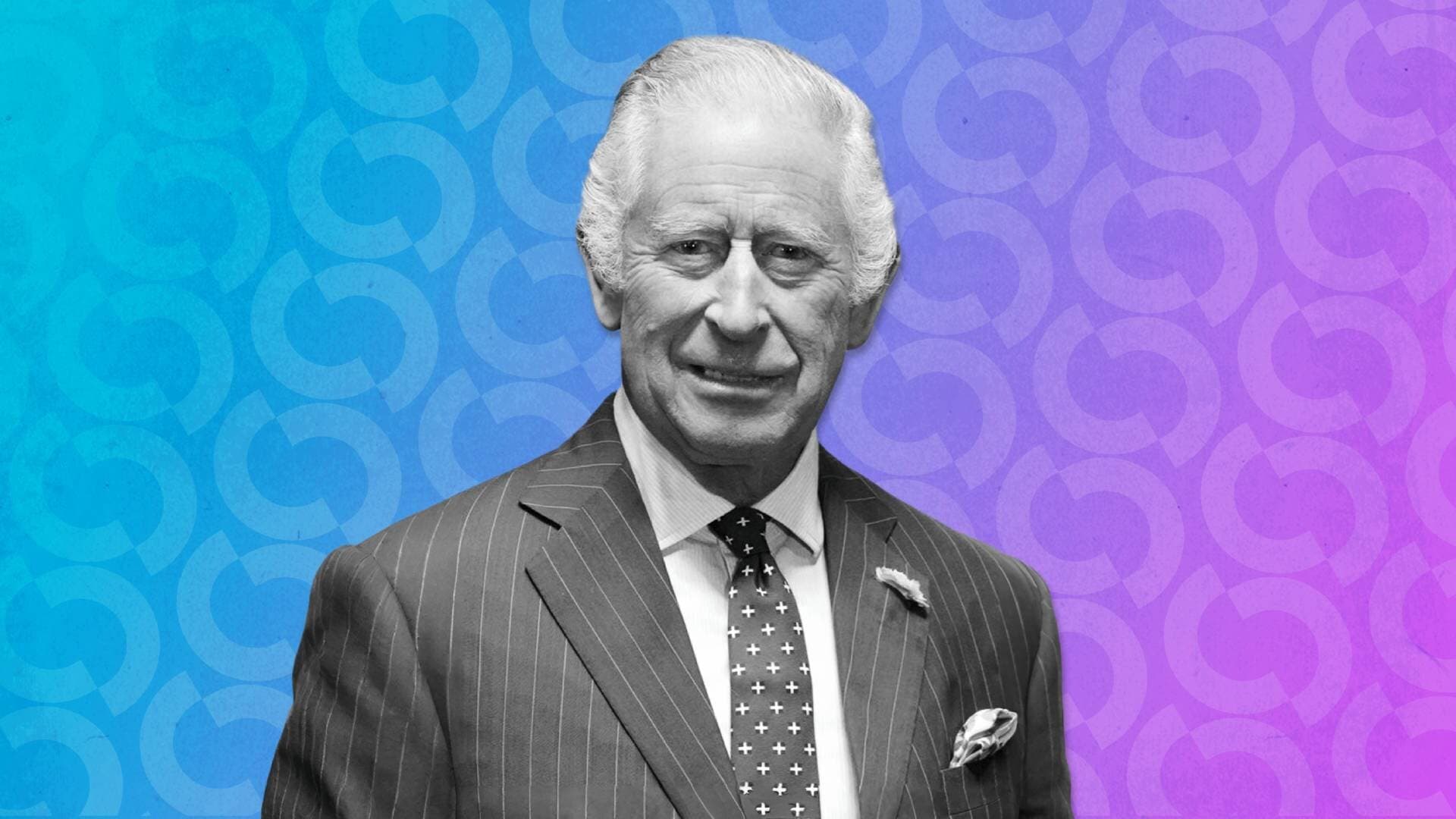
King Charles orchestrated a high-level gathering at his Scottish estate, pulling together the leadership teams from OpenAI, Anthropic, Nvidia, and Google to tackle one of tech's thorniest questions: how to keep artificial intelligence aligned with human interests.
The timing carries weight. The summit unfolded just days after influential AI researchers and industry figures publicly called for the sector to pump the brakes on aggressive development timelines. The convergence of royal convening power and urgent industry momentum signals something rare—alignment between establishment gatekeepers and builders on the gravity of AI governance.
The Stakes Behind Closed Doors
Charles positioned the discussion around a singular objective: ensuring advanced AI remains "in the service of humanity." That framing matters. It's not about stopping progress or abandoning the technology. It's about the trajectory. As crypto investors well know, the difference between decentralized systems that serve users versus those captured by centralized powers often comes down to governance choices made early. AI governance carries similar weight for the broader technology ecosystem.
The attendees represent different layers of the AI stack. OpenAI and Anthropic are building the large language models reshaping how information flows. Nvidia controls the hardware pipeline—the GPUs that make training these models economically viable. Google operates both as builder and platform provider, giving it influence across the entire chain.
Why This Matters for Markets and Tech
This gathering reflects growing institutional concern about AI's trajectory. Regulators, established powers, and forward-thinking executives increasingly recognize that moves made now—on safety standards, transparency, and corporate governance—will echo through the next decade of development.
For the crypto intelligence and trading community, this is worth monitoring. Regulatory pressure on AI development could reshape capital flows toward companies demonstrating robust safety frameworks. Conversely, if this summit signals effective self-governance, it might preempt heavier-handed regulatory intervention.
The crypto market has always operated in the shadow of regulatory uncertainty. We've watched how governance frameworks either enable or constrain innovation. AI development is hitting similar inflection points. Companies that position themselves as responsible stewards while maintaining development momentum may capture disproportionate market share and institutional capital.
Alpha Take
King Charles's summit signals that AI governance is moving from fringe concern to establishment priority—a shift that typically precedes regulatory crystallization. For portfolio managers and traders tracking technology exposure, this is a tell that the AI narrative may be entering a new phase where "responsible development" becomes a differentiating competitive factor. Watch for which companies emerge from these conversations with concrete safety commitments; market pricing may reward transparency and governance leadership as regulatory frameworks solidify. This is the kind of early signal that separates alpha from crowd positioning in emerging tech cycles.
Originally reported by
Decrypt
Not financial advice. Crypto investing involves significant risk. Past performance does not guarantee future results. Always do your own research.