
Russia Pushes Major Crypto Regulation Framework Amid International Sanctions Pressure
Russia is moving forward with comprehensive cryptocurrency legislation that would establish a licensing system for digital asset exchanges while explicitly permitting cross-border crypto transactions—a move that carries clear implications for sanctions circumvention, even if framed as standard regul
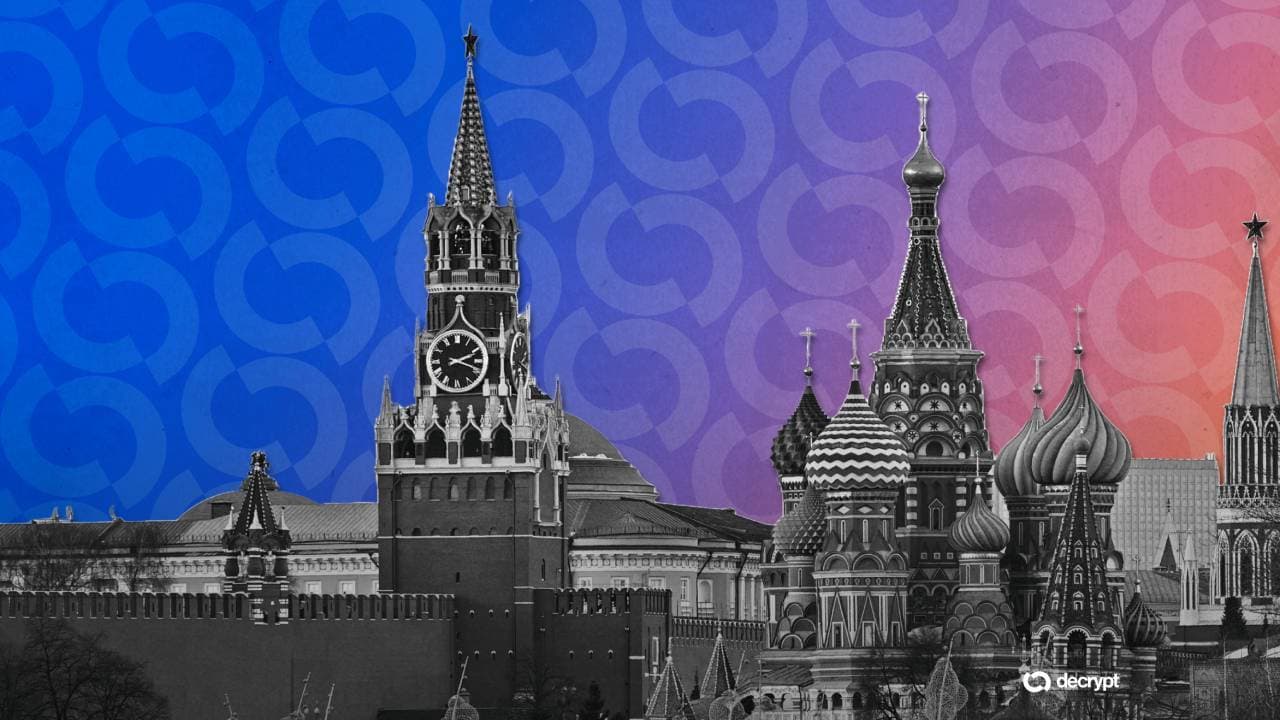
Russia is moving forward with comprehensive cryptocurrency legislation that would establish a licensing system for digital asset exchanges while explicitly permitting cross-border crypto transactions—a move that carries clear implications for sanctions circumvention, even if framed as standard regulatory modernization.
The Legislation's Core Framework
The sweeping bill introduces a dual-track approach to crypto regulation. Domestically, the framework maintains restrictions on using cryptocurrency for domestic payments within Russia. However, it simultaneously opens the door for cross-border cryptocurrency use through licensed exchanges—a distinction that observers suggest could facilitate sanctions avoidance through international channels.
The licensing regime would apply to crypto exchange platforms operating in Russia's jurisdiction. These exchanges would operate under specific regulatory oversight, though the cross-border provisions create a pathway for moving digital assets across international borders in ways traditional banking restrictions might prevent.
Strategic Positioning and International Context
The timing of this legislation is noteworthy. As Western sanctions continue to pressure Russia's traditional financial infrastructure, the government's pivot toward cryptocurrency regulation suggests a strategic reassessment of digital assets as an alternative financial rails system. The bill's explicit provisions for cross-border crypto use align suspiciously well with Russia's need to maintain economic functionality despite international financial isolation.
By licensing exchanges rather than banning crypto entirely, Russian authorities appear to be adopting a regulatory approach that legitimizes crypto activity while maintaining plausible deniability about its sanctions-circumvention applications. This mirrors strategies we've seen in other sanctioned jurisdictions seeking to preserve economic capacity.
What This Means for Crypto Markets
The advancement of this legislation signals several things for the broader crypto trading and portfolio management landscape:
Market Structure: Licensed Russian exchanges would operate within a defined legal framework, potentially reducing the underground crypto economy while funneling activity through monitored channels. This creates a quasi-legitimate infrastructure layer.
Capital Flow Dynamics: Cross-border crypto permissions could redirect significant capital flows through Russian-based exchanges, particularly from entities seeking to move value outside Western financial systems.
Regulatory Precedent: The approach—restricting domestic use while permitting international transfers—represents a template other sanctioned economies might adopt, fragmenting global crypto liquidity into jurisdiction-specific channels.
The Regulatory Arbitrage Play
What's particularly notable is how this bill balances competing interests. Russia gets to appear as a modern, crypto-friendly jurisdiction while technically restricting domestic payment use. The actual value flows internationally, where enforcement becomes significantly more complicated. It's regulatory architecture designed for plausible deniability.
For crypto investors and traders, this matters because it demonstrates how geopolitical pressure accelerates crypto adoption in unexpected ways. When traditional financial systems become unreliable, digital assets gain functional importance beyond speculation or technology enthusiasm.
The bill's advancement also suggests that despite international pressure, regulatory bodies in affected countries are choosing engagement with crypto markets rather than prohibition—a trend that typically strengthens long-term crypto market structure, even if it complicates short-term trading dynamics.
Alpha Take
Russia's licensing framework represents a sophisticated play: legitimizing crypto infrastructure while maintaining political cover through domestic payment restrictions. The real action is in cross-border transfers, where traditional sanctions enforcement has limited reach. Watch this approach spread to other sanctioned economies—it's becoming the playbook for circumventing financial isolation without admitting it. This accelerates institutional crypto adoption in ways that benefit market liquidity and portfolio diversification strategies long-term.
Originally reported by
Decrypt
Not financial advice. Crypto investing involves significant risk. Past performance does not guarantee future results. Always do your own research.