
Russia's Central Bank Opens Door to Crypto Trading on Regulated Exchanges
Russia's central bank has officially proposed permitting Bitcoin, Ether, and Tether's USDT to trade on regulated exchanges, marking a significant policy shift following legislation signed by President Vladimir Putin last week. This proposal represents a notable evolution in Russia's approach to cr
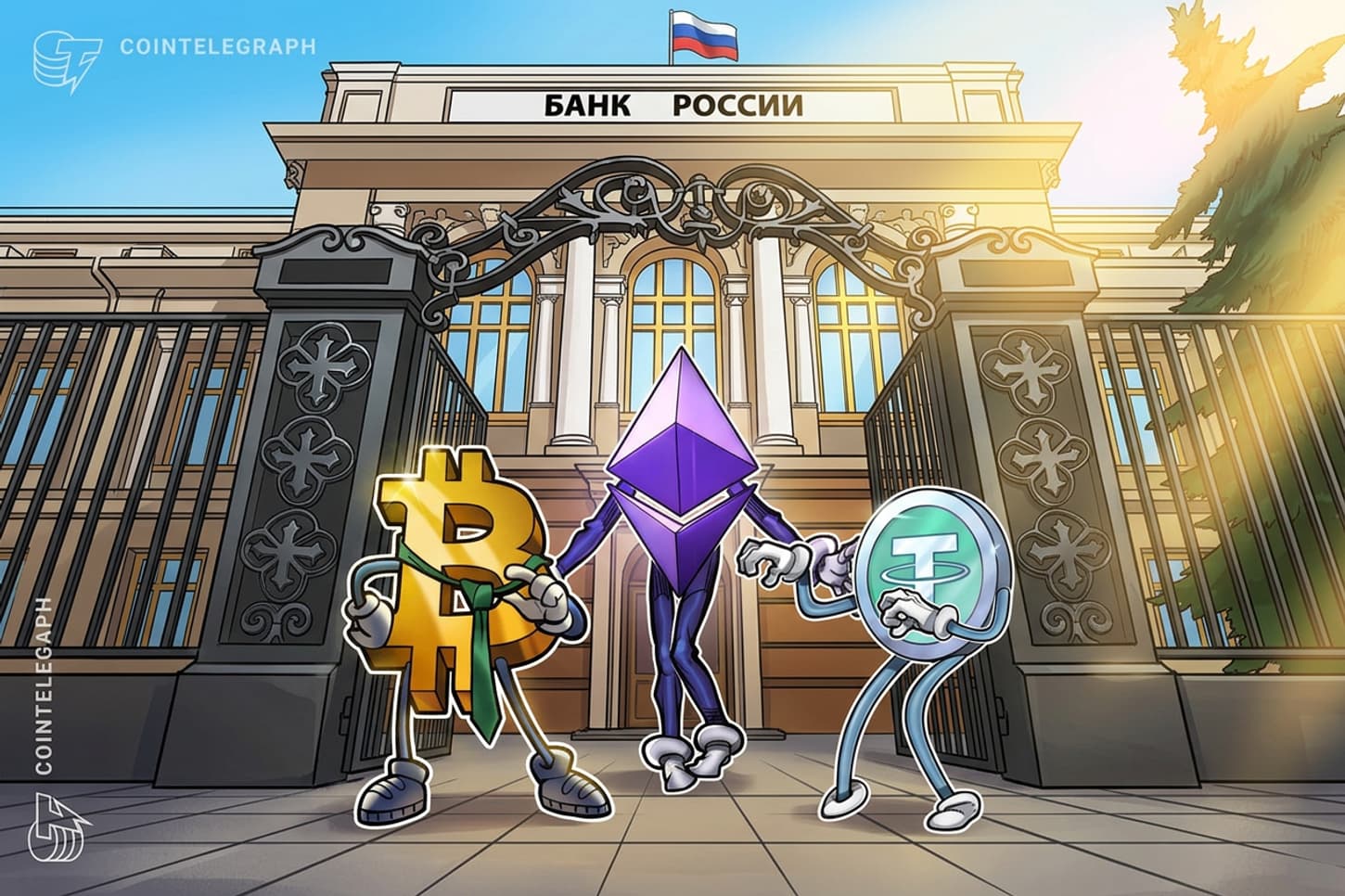
Russia's central bank has officially proposed permitting Bitcoin, Ether, and Tether's USDT to trade on regulated exchanges, marking a significant policy shift following legislation signed by President Vladimir Putin last week.
This proposal represents a notable evolution in Russia's approach to crypto assets. Rather than outright bans or restrictions, the central bank is now considering a framework that would allow institutional trading of major cryptocurrencies on officially sanctioned platforms.
What's on the Table
The proposal specifically targets three major digital assets—Bitcoin, the world's largest cryptocurrency by market cap; Ethereum, the leading smart contract platform; and USDT, the most widely-used stablecoin. The move suggests Russia's financial authorities recognize these as legitimate instruments worthy of regulated market access.
This framework would operate under oversight, distinguishing it from the unregulated peer-to-peer crypto markets that have historically dominated in Russia. By channeling trading through regulated exchanges, Moscow would gain better visibility into capital flows and potentially generate tax revenue from institutional crypto trading activity.
Context Matters Here
The timing is crucial. Putin's recent legislative action created the legal groundwork for this central bank proposal. Rather than acting in a vacuum, Russia's monetary authorities are now operationalizing what the executive branch has already authorized. This signals coordination between Russia's political and financial leadership on crypto policy.
For investors tracking geopolitical crypto developments, this matters. Russia represents a significant market with substantial technical talent and crypto mining operations. A regulated trading framework could legitimize institutional participation in Russian markets while potentially attracting international crypto trading volume.
The Bigger Picture
This proposal doesn't represent a full embrace of cryptocurrency—Russia's central bank has historically been cautious about digital assets. However, it does acknowledge that blanket prohibition isn't tenable in a world where crypto has become deeply embedded in global finance. By proposing regulated exchanges rather than open trading, the central bank maintains control mechanisms while accommodating market realities.
The focus on Bitcoin, Ethereum, and USDT specifically is telling. These are the three most liquid, widely-recognized crypto assets globally. Russia isn't experimenting with obscure altcoins; it's focusing on the institutional-grade cryptocurrencies that have proven staying power in the market.
For traders and portfolio managers, this development opens potential arbitrage opportunities and expanding Russian crypto market access. Whether this proposal becomes law depends on parliamentary action and further central bank refinement, but the trajectory is clearly toward accommodation rather than restriction.
The proposal also hints at Russia's recognition that crypto markets will function with or without state participation. By regulating entry points, Moscow positions itself to benefit from transaction fees, tax collection, and financial stability oversight—rather than simply watching unregulated activity happen outside its jurisdiction.
Alpha Take
Russia's central bank proposal signals a pragmatic pivot from crypto prohibition to managed participation. We're watching whether this translates to actual regulated exchange licenses and what trading volume materializes. For portfolio managers with exposure to Bitcoin, Ethereum, and USDT, broader institutional adoption in major markets remains a positive long-term tailwind for crypto market intelligence and valuation support.
Originally reported by
CoinTelegraph
Not financial advice. Crypto investing involves significant risk. Past performance does not guarantee future results. Always do your own research.