
Russia's Crypto Regulation Push: How New Legislation Could Reshape Digital Asset Trading
Russia is closing in on comprehensive crypto regulation. The proposed framework is just two parliamentary votes away from becoming law—and it's a big deal for how Moscow plans to navigate Western sanctions while formalizing its crypto market.
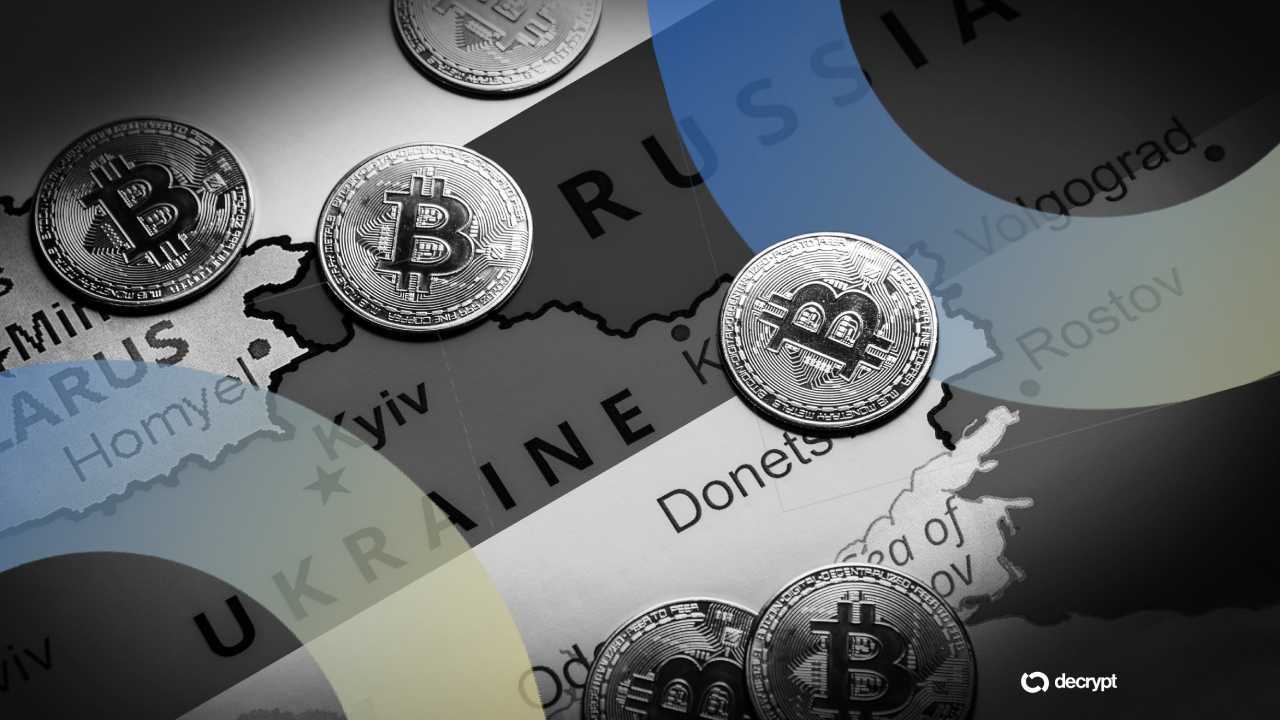
Russia is closing in on comprehensive crypto regulation. The proposed framework is just two parliamentary votes away from becoming law—and it's a big deal for how Moscow plans to navigate Western sanctions while formalizing its crypto market.
Here's what we're tracking: The legislation establishes a licensing system for crypto exchanges, implements a retail investor spending cap of approximately $3,800 annually, and carves out a legal mechanism for Russian companies to compensate foreign business partners using cryptocurrency. That last part matters. It's essentially a sanctions workaround—allowing Russian firms to settle cross-border payments in crypto without relying on traditional banking channels that Western restrictions have frozen.
The Licensing Framework
The bill creates a formal exchange licensing regime, which does two things simultaneously. On one hand, it brings regulatory clarity to Russia's crypto trading ecosystem. On the other, it centralizes control. Licensed exchanges will operate under state oversight, giving authorities visibility into trading volumes and user activity.
This isn't unique to Russia—we've seen similar licensing models roll out across Europe, Asia, and even within certain U.S. states. But the geopolitical context here is distinct. Russia's facing unprecedented financial isolation. Crypto offers a parallel rail for capital flows when traditional payment systems are unavailable.
Retail Investor Caps: Playing Defense
The $3,800 annual cap on retail crypto purchases is a protective measure. It's meant to shield everyday Russian investors from volatility while preventing wealth flight out of the ruble ecosystem. The number itself—roughly 250,000 rubles at current exchange rates—signals the lawmakers' intent: allow exposure to crypto markets without enabling systematic capital outflows.
This contrasts sharply with how institutional players and high-net-worth individuals operate. They'll likely access crypto through different channels or corporate structures that fall outside the retail cap.
The Sanctions Angle
Where this gets interesting for crypto analysis is the foreign payment provision. By legalizing crypto settlements between Russian and foreign entities, the legislation effectively creates a de facto alternative to SWIFT. Companies can now legally engage foreign contractors, suppliers, or partners using Bitcoin, Ethereum, or other digital assets. No bank intermediaries required.
This development has implications beyond Russia. It signals how governments facing financial sanctions view cryptocurrency—not as a speculative asset class, but as critical infrastructure for maintaining international commerce. We're watching similar dynamics play out with Iran and North Korea, who've already been using crypto to circumvent sanctions.
What's Next
Two parliamentary votes remain before this becomes law. Given Russia's legislative dynamics, passage appears highly likely. Once enacted, we expect increased onchain activity tied to Russian entities, potential volatility in crypto trading pairs involving the ruble, and increased regulatory scrutiny from Western governments watching how Moscow operationalizes these new rules.
The bill also sets a precedent. Other sanctions-targeted nations will study Russia's playbook closely.
Alpha Take
Russia's crypto law represents a crucial inflection point: governments are now formalizing crypto's role in geopolitical strategy, not dismissing it as fringe speculation. The $3,800 retail cap limits retail exposure while the foreign payment mechanism enables institutional capital flows around sanctions. Watch for increased ruble-denominated trading volume and potential regulatory responses from U.S. and EU authorities once this passes.
Originally reported by
Decrypt
Not financial advice. Crypto investing involves significant risk. Past performance does not guarantee future results. Always do your own research.