
Russia's Financial Giant Gears Up for Crypto Trading Infrastructure Push
Russia's largest bank is making a concrete move into digital assets. Sberbank—the nation's financial heavyweight—is building out cryptocurrency trading infrastructure with an ambitious December 1 deadline, signaling Moscow's shift toward embracing crypto market participation even as regulatory fram
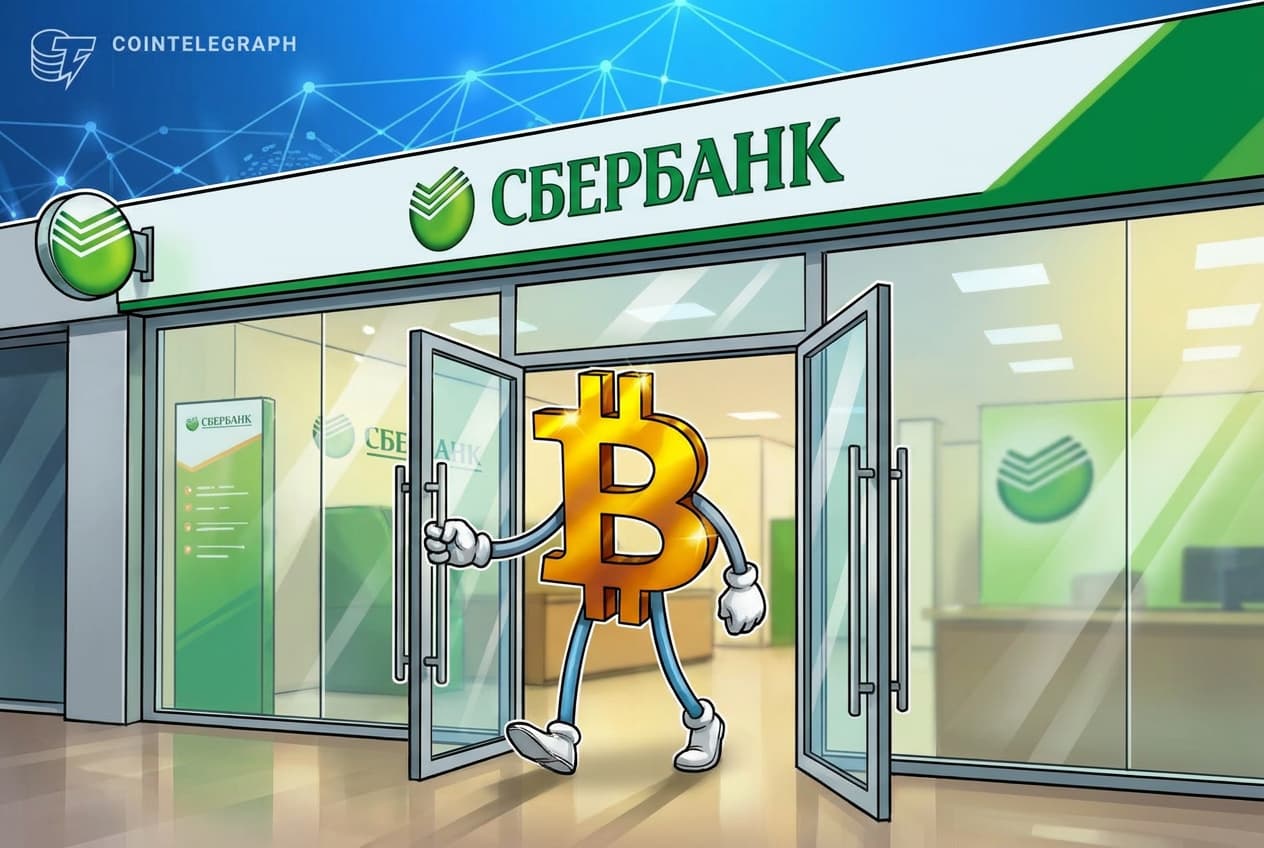
Russia's largest bank is making a concrete move into digital assets. Sberbank—the nation's financial heavyweight—is building out cryptocurrency trading infrastructure with an ambitious December 1 deadline, signaling Moscow's shift toward embracing crypto market participation even as regulatory frameworks continue taking shape.
This infrastructure rollout arrives at a pivotal moment. Russia is simultaneously crafting formal rules for crypto market participants, creating a regulatory environment that could legitimize institutional crypto trading across the country. The timing matters: Moscow is also greenlighting crypto assets for use in foreign trade operations, opening new economic pathways as traditional sanctions limit conventional financial channels.
Why This Move Matters for Russian Markets
Sberbank's entrance into crypto trading infrastructure represents more than one bank's expansion plans. It reflects Russia's broader recognition that crypto markets are too significant to ignore, especially when capital controls and geopolitical isolation create demand for alternative settlement mechanisms. By December 1, the infrastructure should enable institutional-grade trading on local markets.
The bank's involvement could legitimize crypto trading among Russian retail and institutional investors who've operated in a gray zone until now. Current market participants rely on offshore exchanges and peer-to-peer channels—inefficient and risky. Sberbank's platform would consolidate trading activity domestically, creating better liquidity and price discovery.
The Regulatory Framework Takes Shape
What's particularly significant here is the synchronization. Sberbank isn't launching into a regulatory vacuum. Russia is actively establishing rules for crypto market participants simultaneously, suggesting coordinated policy rather than ad-hoc decisions. This framework-building is crucial for crypto analysis of Russian market dynamics—institutional participation requires clarity on compliance, reporting, and custody standards.
The permission to use crypto in foreign trade is the real gamechanger. As Western sanctions squeeze Russian businesses out of dollar-based settlement systems, cryptocurrencies like Bitcoin and Ethereum offer practical alternatives for cross-border transactions. For portfolio managers tracking emerging market exposure, this could reshape trade flows and crypto adoption patterns in Eastern Europe.
What Traders Should Watch
The December 1 launch date gives us a concrete metric. If Sberbank meets this timeline, expect:
- •Increased institutional inflows into Russian crypto markets
- •Potential trading spreads between domestic and offshore exchanges
- •Clearer signals on what Russia's final crypto regulatory stance will be
- •Possible secondary effects on trading volumes across major crypto exchanges as Russian market access improves
Sberbank's infrastructure will likely include spot trading initially, with derivatives potentially following. The bank's involvement could accelerate adoption among Russian companies seeking legitimate ways to conduct international business.
Alpha Take
Sberbank's December 1 deadline signals Russia is moving from crypto skepticism toward institutional integration. Watch for regulatory announcements in Q4—they'll define whether this becomes a viable trading market or faces restrictions. For crypto investors tracking geopolitical alpha, Russian market infrastructure development could create new trading opportunities as sanctions persistently redirect capital flows toward digital assets.
Originally reported by
CoinTelegraph
Not financial advice. Crypto investing involves significant risk. Past performance does not guarantee future results. Always do your own research.