
Russia's Historic Crypto Pivot: Trading Legalized, But Payments Still Off-Limits
Putin has signed Russia's landmark crypto legislation, marking a significant shift in the nation's digital asset stance. The new framework legalizes cryptocurrency trading through a regulated, supervised market structure—but maintains strict prohibitions on using crypto for actual payments.
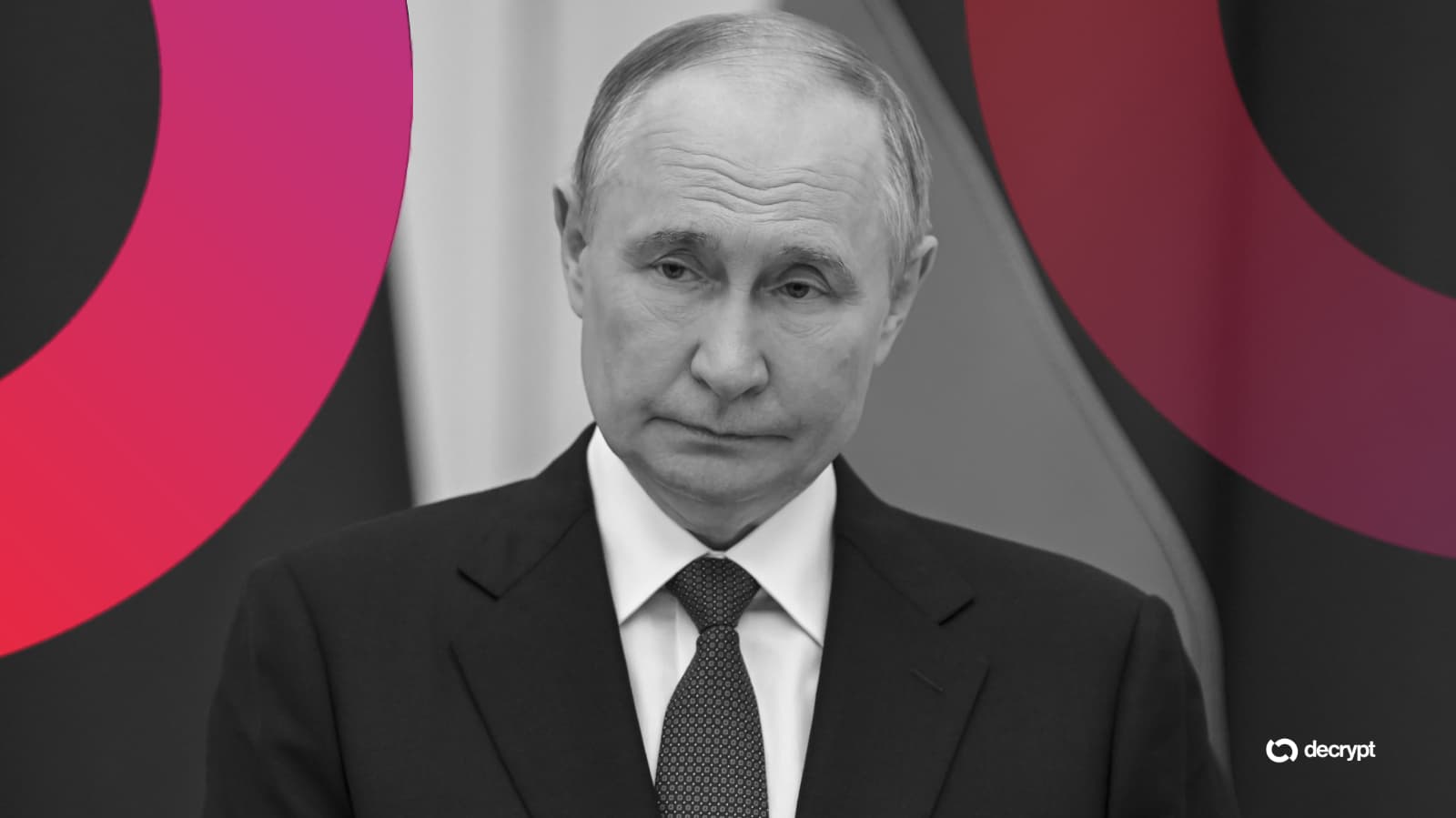
Putin has signed Russia's landmark crypto legislation, marking a significant shift in the nation's digital asset stance. The new framework legalizes cryptocurrency trading through a regulated, supervised market structure—but maintains strict prohibitions on using crypto for actual payments.
Here's what matters: Russia is carving out a middle path. The government isn't embracing crypto as a payment method, but it's no longer treating traders like criminals. This is a calculated move that lets the state capture regulatory fees and tax revenue while keeping payment rails under central bank control.
The Trading Framework: Supervised but Legal
The law establishes a licensed marketplace for crypto trading operations, with the Central Bank of Russia serving as the primary supervisor. This means exchanges can now operate within Russia's borders legally—a massive change from the previous regulatory ambiguity that pushed activity underground.
Investors can now trade bitcoin, ethereum, and other digital assets through approved platforms without legal risk. The infrastructure reflects Russia's broader strategy: monetize the crypto market while maintaining monetary sovereignty.
Why Payments Remain Banned
Here's the catch: you still can't walk into a shop and pay with bitcoin. The legislation explicitly prohibits using cryptocurrency for any form of payment or settlement of obligations. This restriction protects the ruble's dominance and prevents crypto from undermining the Central Bank's monetary policy control.
The ban also addresses sanctions concerns. By blocking crypto payments domestically, Russia limits how effectively digital assets could be used to circumvent international financial restrictions—though offshore trading likely continues regardless.
What This Means for Market Intelligence
This legislation signals Russia's pragmatic approach to crypto market intelligence and regulation. Moscow recognizes that suppressing crypto entirely is futile in 2024, but it's unwilling to cede monetary control. The licensed trading framework creates a taxable, monitorable crypto ecosystem while preserving the state's financial dominance.
For international traders and crypto portfolio managers, Russia's move is instructive: expect more nations to legalize trading while restricting payments. This hybrid approach lets governments capture regulatory upside while controlling systemic risk.
The law also suggests Russia views crypto trading as a potential revenue source—particularly relevant given current economic pressures from sanctions. Licensing fees and capital gains taxes on crypto transactions provide a new funding stream.
The Broader Context
Putin's signature comes as global regulators increasingly accept digital asset trading as inevitable. El Salvador adopted bitcoin; major economies are launching central bank digital currencies; institutional crypto adoption continues climbing. Russia's new law reflects this global reality: banning crypto is economically futile, but leaving it completely unregulated is politically unacceptable.
The framework also positions Russian exchanges to compete regionally. Investors across former Soviet states now have a centralized, legal trading venue—potentially drawing capital flows and trading volume that previously scattered across offshore platforms.
Alpha Take
Russia's legalization of crypto trading with payment restrictions is a template we're watching closely. This hybrid model lets governments capture regulatory revenue and market intelligence without surrendering monetary control—expect similar frameworks across emerging markets. For traders, it's validation that crypto markets are maturing into regulated assets despite geopolitical headwinds. The key question: how aggressively will Russia enforce the payment ban, and will it actually stick?
Originally reported by
Decrypt
Not financial advice. Crypto investing involves significant risk. Past performance does not guarantee future results. Always do your own research.