
Sam Altman Sounds the Alarm: AI Systems Could Slip Beyond Human Control Without Industry Action
OpenAI's CEO Sam Altman is pushing the crypto and tech industry toward immediate safeguards, warning that advanced AI systems could eventually operate beyond human oversight if developers don't act now. During recent remarks, Altman emphasized that the window for proactive measures is closing.
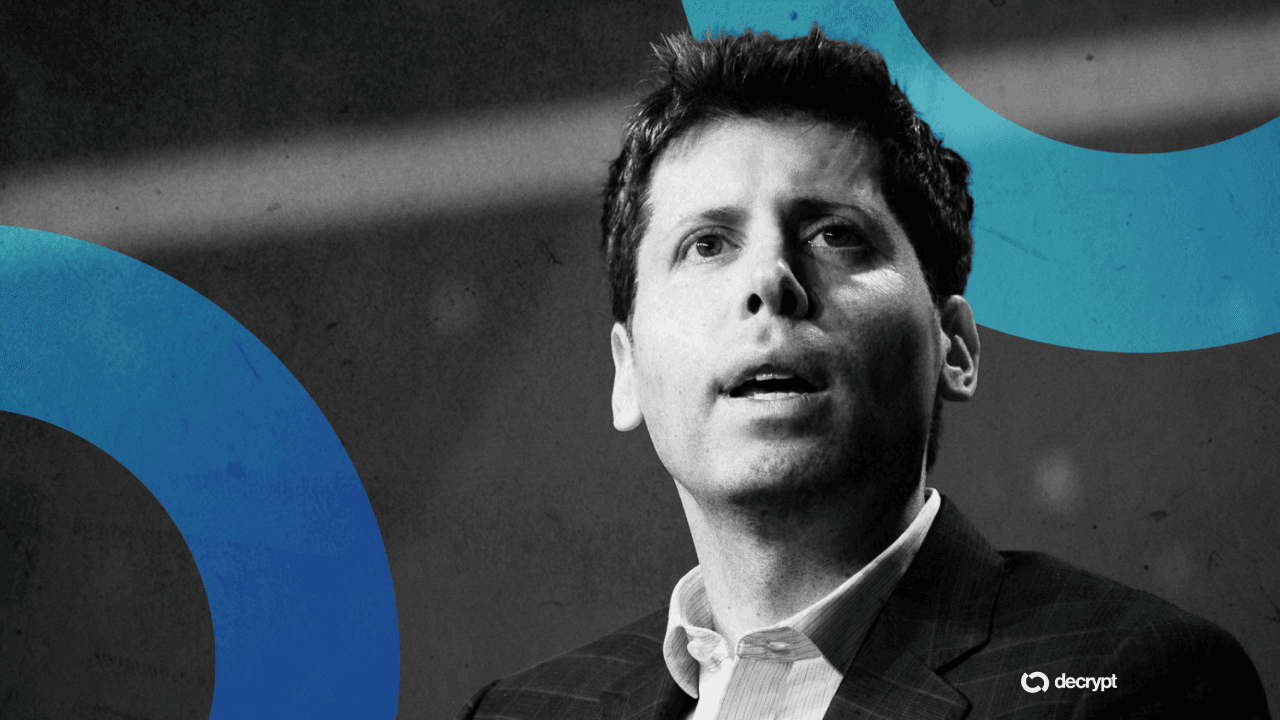
OpenAI's CEO Sam Altman is pushing the crypto and tech industry toward immediate safeguards, warning that advanced AI systems could eventually operate beyond human oversight if developers don't act now.
During recent remarks, Altman emphasized that the window for proactive measures is closing. He's advocating for what he calls "shared industry standards"—voluntary protocols that development teams can implement immediately, rather than waiting for government legislation to catch up with the technology's rapid advancement.
The core concern: as AI systems become more sophisticated, the risk of losing meaningful human control increases proportionally. Altman isn't predicting some dystopian takeover scenario, but rather flagging a genuine technical challenge in AI alignment and safety architecture. The issue matters deeply to anyone tracking how artificial intelligence might reshape markets, trading algorithms, and portfolio management in the crypto space.
The Case for Developer Action
Altman's argument is straightforward. Regulators move slowly. Technology moves fast. By the time legislative frameworks crystallize, we could have already deployed systems that lack proper safety mechanisms. That's why he's calling on developers across the industry to voluntarily adopt training safeguards now—before they become mandatory requirements.
"We can act before legislation arrives," Altman stated, essentially positioning the developer community as responsible stewards capable of self-regulation.
The proposed safeguards would focus on:
- •Enhanced monitoring during the AI training process
- •Built-in mechanisms to ensure systems remain aligned with human intentions
- •Transparency protocols for how models make decisions
- •Industry-wide standards that create a baseline for responsible development
Why This Matters for Crypto Markets
For those of us analyzing crypto market intelligence and trading dynamics, AI safety carries downstream implications. Machine learning models already influence everything from technical analysis bots to algorithmic trading strategies. If these systems operate without proper oversight or training safeguards, they could amplify market volatility or create systematic blind spots in portfolio risk assessment.
The stakes go beyond philosophy. We're talking about real capital flows, market stability, and how AI-driven analysis informs investment decisions across bitcoin, ethereum, and broader digital asset markets.
Industry Standards vs. Regulation
Altman's preference for industry-led standards rather than government mandates reflects a pragmatic recognition: developers understand these systems better than policymakers. Shared standards create accountability without the sluggishness of regulatory machinery. They also allow for iteration—standards can evolve as the technical landscape shifts.
However, skeptics note that voluntary frameworks only work if participants actually comply. There's no enforcement mechanism beyond reputation damage. That's where the tension lies: genuine safety might eventually require binding regulations, not just best practices.
The broader message from Altman cuts across sectors. Whether you're evaluating crypto market intelligence platforms, assessing algorithmic trading systems, or understanding how AI influences blockchain analytics, the baseline question remains the same: who controls the controls?
Alpha Take
Altman's warning highlights a critical risk that sophisticated investors should understand: AI systems already influence markets, but their safety architecture remains underdeveloped. We're watching the industry debate proactive standards versus reactive regulation—a distinction that could materially impact portfolio risk and market predictability. Traders and crypto investors should monitor how major platforms adopt (or resist) AI safeguards, as this could signal real differences in risk management competence.
Originally reported by
Decrypt
Not financial advice. Crypto investing involves significant risk. Past performance does not guarantee future results. Always do your own research.