
Sanders' Sweeping AI Development Bill Could Reshape Tech Regulation—Here's What It Means for Crypto
Senator Bernie Sanders is moving forward with legislation that would impose a hard pause on advanced artificial intelligence development, establishing federal oversight mechanisms with teeth. The proposed bill would create a dedicated federal regulator, enforce compliance standards, and impose crim
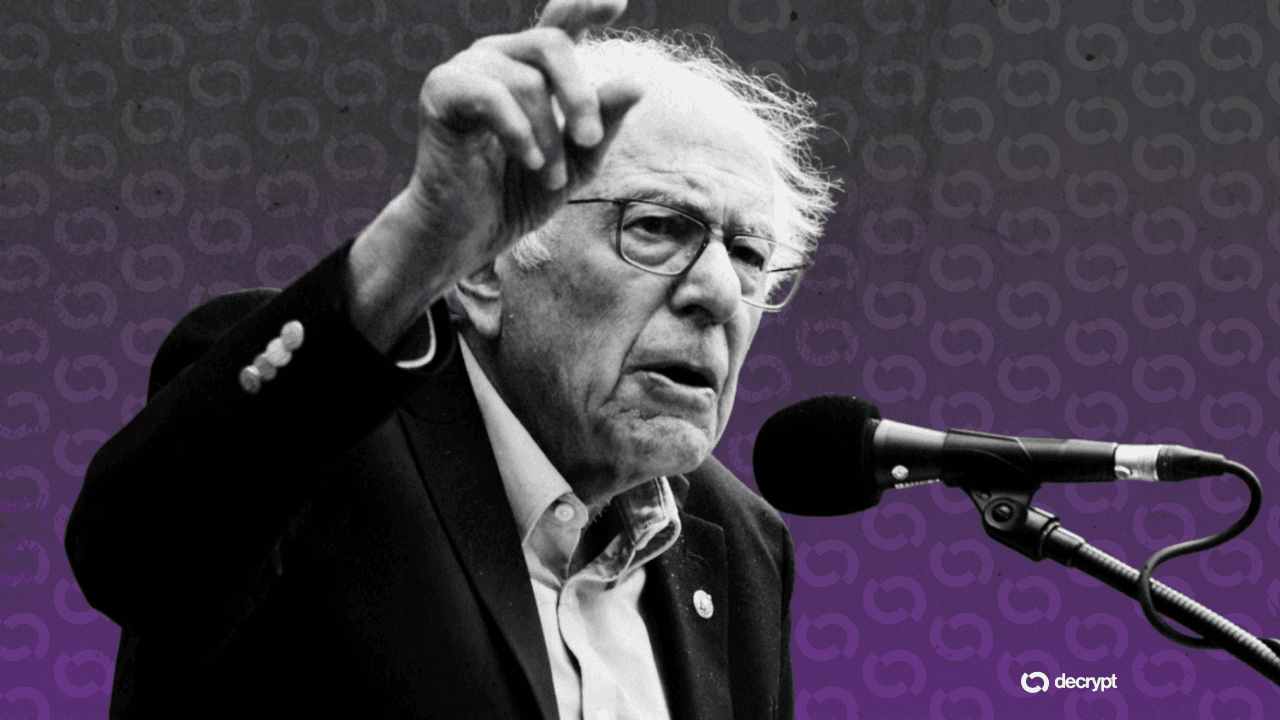
Senator Bernie Sanders is moving forward with legislation that would impose a hard pause on advanced artificial intelligence development, establishing federal oversight mechanisms with teeth. The proposed bill would create a dedicated federal regulator, enforce compliance standards, and impose criminal penalties of up to 20 years in prison for violators.
The Bill's Core Framework
Sanders' approach tackles AI regulation head-on: developers would face a temporary halt on training and deploying advanced AI systems while the government establishes clear guardrails. This isn't a suggestion—it's a mandate with serious consequences. The 20-year prison sentence for violations signals lawmakers are treating this as a critical infrastructure issue, not just another tech controversy.
The bill also calls for establishing a federal regulatory body specifically tasked with overseeing AI development. This agency would set standards, review projects before deployment, and enforce compliance across the industry. It's the kind of centralized governance that the crypto industry has been bracing for—and what we're seeing with AI could foreshadow how regulators approach blockchain technology next.
Why This Matters Beyond AI
Here's what investors need to understand: this legislation reflects a broader shift in how Washington views transformative technologies. Crypto and blockchain have already experienced regulatory scrutiny, and the playbook Sanders is deploying here—federal oversight, criminal penalties, mandatory compliance—is straight from the emerging regulatory handbook.
The AI bill could create precedent for how advanced technologies are regulated going forward. If passed, it establishes a model where government agencies can pause development of entire technology categories. That's a significant precedent that could influence future crypto regulation, particularly around Layer 1 protocols, DeFi platforms, and other "advanced" blockchain systems that operate in regulatory gray zones.
The Regulatory Ripple Effect
Sanders' push underscores a fundamental tension: policymakers want to control the pace of technological change, not just tax or monitor it. For the crypto market, this sends a clear message—decentralized systems that resist centralized control could face increased pressure from regulators who see governance, oversight, and enforcement as non-negotiable.
The enforcement mechanisms are particularly telling. By setting prison time as a deterrent, the bill treats AI development violations as criminal acts comparable to financial fraud. This is the direction regulatory frameworks are heading across multiple sectors, including crypto. Staking operators, protocol developers, and exchange executives could face similar criminal liability frameworks.
Alpha Take
Sanders' AI development bill represents a watershed moment in how Washington regulates emerging technologies. The criminal penalties and federal oversight model will likely inform crypto regulation strategies going forward—watch for similar language around blockchain development, particularly regarding protocols deemed "systemically important." For traders and portfolio managers, this underscores the regulatory risk premium that should factor into long-term crypto holdings, especially projects operating without clear legal frameworks or based in regulatory-friendly jurisdictions.
Originally reported by
Decrypt
Not financial advice. Crypto investing involves significant risk. Past performance does not guarantee future results. Always do your own research.