
Saylor's BIP-110 Critique: Why Bitcoin's Treasury Boss Says This Fork Solution Misses the Mark
Michael Saylor, steward of the largest corporate Bitcoin holdings through MicroStrategy, is throwing down a detailed challenge to BIP-110—and it's not a casual disagreement. He says he aligns with the proposal's underlying goals but fundamentally rejects how it proposes to achieve them.
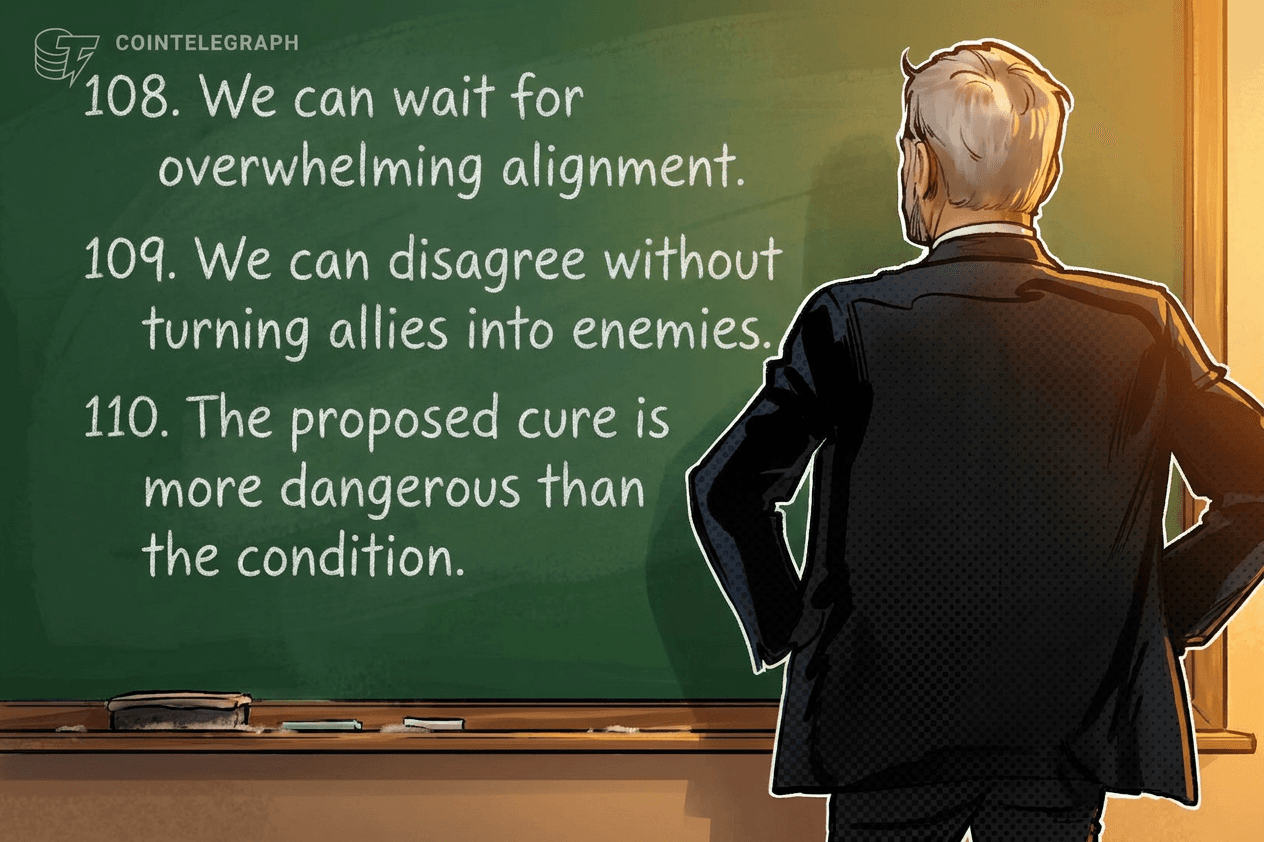
Michael Saylor, steward of the largest corporate Bitcoin holdings through MicroStrategy, is throwing down a detailed challenge to BIP-110—and it's not a casual disagreement. He says he aligns with the proposal's underlying goals but fundamentally rejects how it proposes to achieve them.
The proposed Bitcoin improvement protocol, BIP-110, suggests implementing a temporary fork mechanism to address specific blockchain challenges. On the surface, it sounds reasonable. Dig deeper, and Saylor sees a minefield of problems waiting to detonate.
The Core Disagreement
Here's where it gets interesting: Saylor isn't dismissing the problems BIP-110 aims to solve. Rather, he's arguing the remedy creates worse downstream issues than the disease it's meant to cure. This distinction matters. We're not talking about a philosophical difference on Bitcoin's direction—we're talking execution risk.
The Bitcoin corporate treasury landscape has evolved dramatically over the past few years. MicroStrategy's accumulation strategy, combined with other institutions adding BTC to balance sheets, has created new stakeholder dynamics. When someone controlling billions in crypto assets speaks about protocol changes, the market listens.
Saylor's position reflects a growing tension in the crypto community: how do you balance innovation and problem-solving against Bitcoin's core value proposition—immutability and stability? Tinker with consensus rules, and you're playing with fire.
Why This Matters for Portfolio Managers
For institutional traders and portfolio strategists, Saylor's stance signals something critical: major Bitcoin holders aren't unanimous on protocol changes. That kind of fragmentation can create volatility spikes and uncertainty around network governance.
The timing is noteworthy too. As Bitcoin continues establishing itself as a legitimate institutional asset class, these infrastructure debates aren't academic exercises anymore—they carry real capital implications. A contentious fork or failed protocol upgrade could shake confidence in the ecosystem's ability to self-govern.
The Broader Context
Saylor has consistently positioned MicroStrategy as a long-term Bitcoin accumulator, not a trader. His company's corporate treasury strategy hinges on Bitcoin's value stability and predictability. Any proposal that introduces uncertainty—even well-intentioned ones—gets scrutinized heavily.
The "110 reasons" framing suggests Saylor isn't just offering surface-level criticism. This appears to be a methodical, detailed rebuttal. That's the kind of analysis that carries weight in governance discussions, especially when it comes from someone with serious skin in the game.
The crypto analysis community should be watching how this plays out. BIP discussions that attract this level of institutional pushback often signal deeper questions about Bitcoin's development path and consensus-building mechanisms.
Alpha Take
Saylor's detailed opposition to BIP-110 reveals fault lines in institutional Bitcoin governance—holders want problem-solving, but not at the cost of network stability. Watch whether this shapes BIP-110's adoption trajectory; major treasury holders have real leverage here. For portfolio managers, this debate underscores why Bitcoin governance risk deserves closer attention alongside price action.
Originally reported by
CoinTelegraph
Not financial advice. Crypto investing involves significant risk. Past performance does not guarantee future results. Always do your own research.