
SBI's $289M Bitbank Play: Japan's Largest Crypto Exchange Takes Shape
SBI Holdings is making a major power move in the Japanese crypto market. The financial services giant has agreed to acquire Bitbank—the crypto exchange—for approximately $289 million, subject to regulatory sign-off.
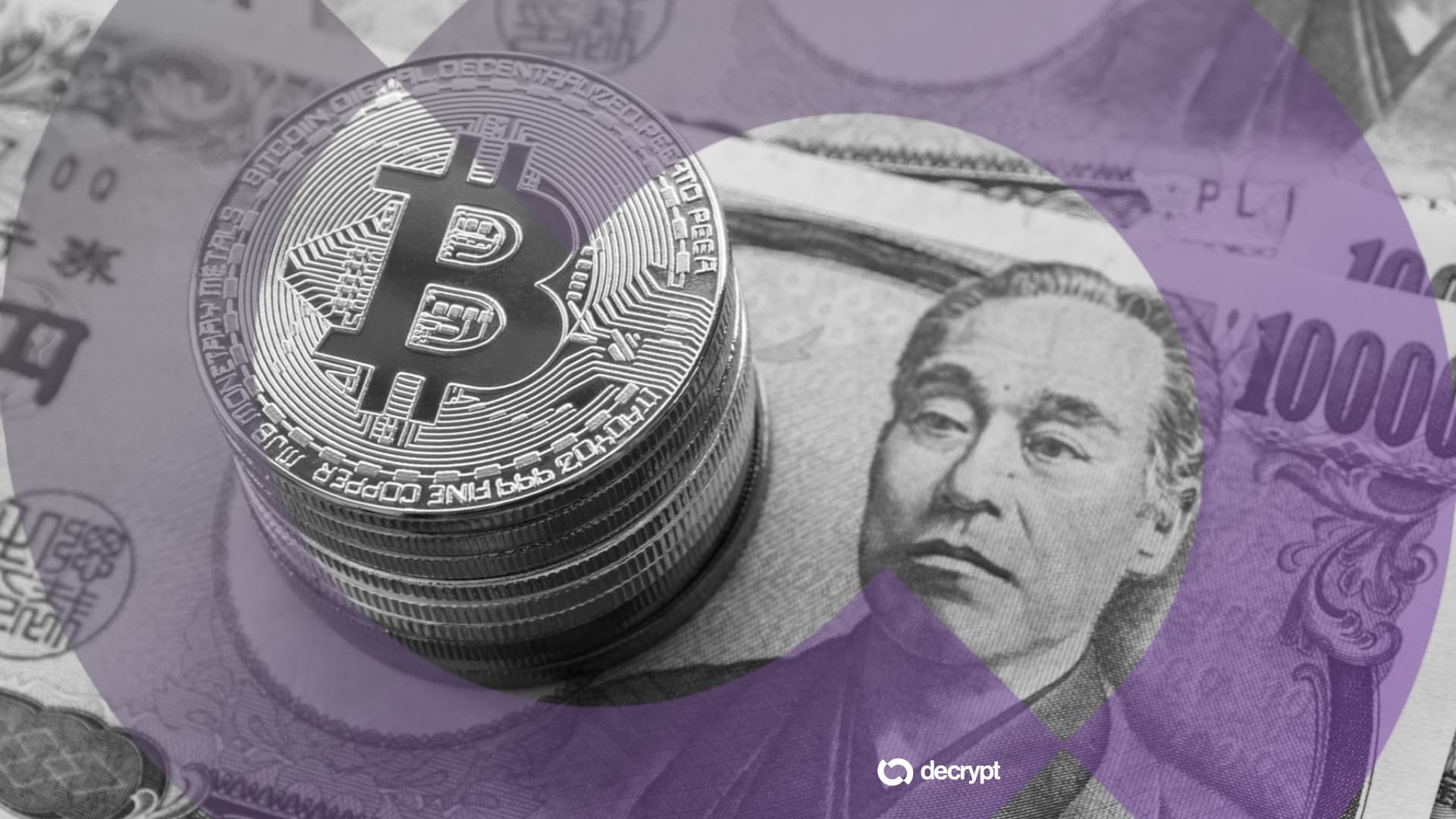
SBI Holdings is making a major power move in the Japanese crypto market. The financial services giant has agreed to acquire Bitbank—the crypto exchange—for approximately $289 million, subject to regulatory sign-off.
This acquisition positions SBI to dominate Japan's crypto exchange landscape. Bitbank currently operates as one of Japan's established trading platforms, and the deal will significantly expand SBI's footprint in digital asset trading. For context, SBI Holdings is one of Japan's most influential financial conglomerates, with substantial interests across banking, securities, and alternative investments.
What the Deal Means
The merger represents a strategic consolidation of Japan's fragmented crypto exchange sector. Rather than building from scratch, SBI is acquiring an established player with existing user base, infrastructure, and regulatory standing—a faster path to market dominance than organic growth.
Bitbank brings operational expertise and compliance infrastructure that SBI can leverage across its crypto division. The exchange has maintained a solid reputation in Japan's regulated environment, which matters given Tokyo's increasingly stringent crypto oversight.
Regulatory Hurdles Ahead
The deal hinges on approval from Japanese financial regulators. Japan's Financial Services Agency (FSA) has been methodical in its crypto exchange licensing process, particularly after the 2018 Coincheck hack that exposed vulnerabilities in the sector. SBI will need to satisfy regulators that the combined entity maintains adequate security protocols, customer protections, and AML/KYC compliance.
SBI already operates crypto trading through SBI VC Trade, so consolidating under Bitbank's license (or merging operations) requires regulatory choreography. This isn't a straightforward transaction—it's a regulatory negotiation disguised as an M&A deal.
Strategic Context
This acquisition fits SBI's broader crypto strategy. The company has invested heavily in blockchain infrastructure and digital asset services, treating crypto not as a speculative bet but as a core financial service. SBI's approach reflects how traditional finance increasingly views crypto: inevitable, regulated, and integrated into mainstream portfolio management.
Japan's crypto market remains substantial despite regulatory caution. Local retail traders and institutions need exchange infrastructure, and SBI recognizes this as a long-term revenue stream. By securing Bitbank, SBI locks in market share before competitors consolidate.
The $289 million valuation reflects current market conditions and Bitbank's operational fundamentals. For SBI, it's a calculated investment in crypto market infrastructure—betting that Japan's regulatory framework stabilizes and trading volumes grow over the next 3-5 years.
Alpha Take
This deal signals how institutional capital is reshaping crypto market structure in regulated jurisdictions. SBI isn't speculating on bitcoin or ethereum—it's acquiring the rails that make trading possible, a more defensive and predictable revenue model than asset volatility. Watch regulatory approval timelines; they'll indicate whether Japan's FSA is comfortable consolidating exchange market share or prefers fragmentation. For traders, this could eventually mean improved infrastructure, better custody options, and deeper liquidity on a major crypto platform serving Asia-Pacific markets.
Originally reported by
Decrypt
Not financial advice. Crypto investing involves significant risk. Past performance does not guarantee future results. Always do your own research.