
SEC Eyes Major Overhaul of Transfer Agent Rules as Tokenization Reshapes Market Infrastructure
The Securities and Exchange Commission is preparing its most significant transfer agent regulation update in four decades, directly confronting the rise of tokenized assets and blockchain-based settlement infrastructure. We're tracking this closely because it signals the SEC's readiness to integrat
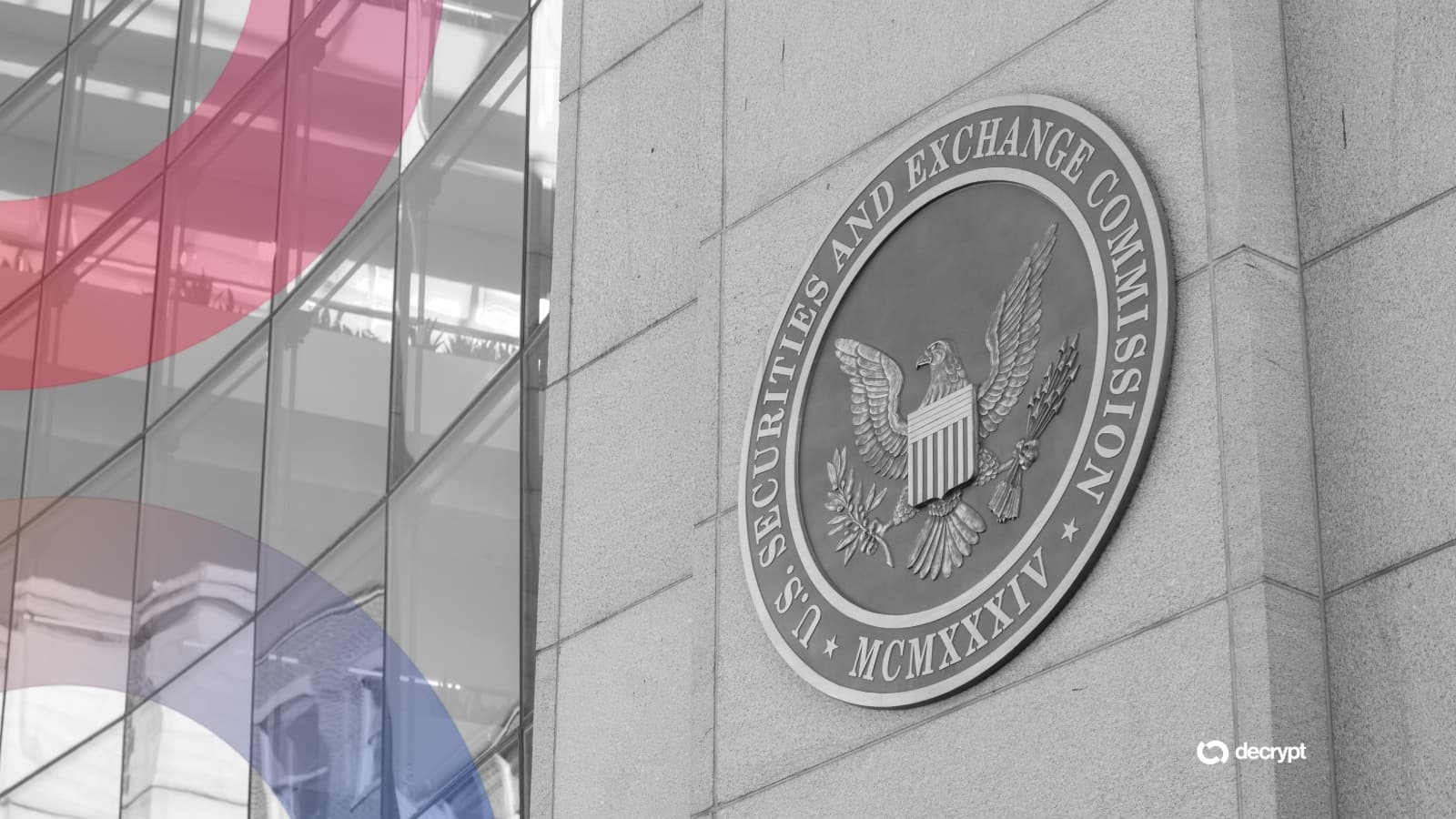
The Securities and Exchange Commission is preparing its most significant transfer agent regulation update in four decades, directly confronting the rise of tokenized assets and blockchain-based settlement infrastructure. We're tracking this closely because it signals the SEC's readiness to integrate distributed ledger technology into the established securities ecosystem.
The regulatory proposal introduces a new Form TA-2, which would require transfer agents to disclose specific details about share registers maintained across distributed ledgers. This marks a watershed moment—the SEC is essentially asking custodians and transfer agents to formally acknowledge and quantify their blockchain operations, something the existing rulebook never contemplated.
What's Changing and Why It Matters
Transfer agents have operated under essentially the same regulatory framework since the early 1980s. That framework wasn't built for an era where assets could live on multiple ledgers simultaneously, where settlement could happen in seconds instead of days, or where a single share could exist as both a traditional certificate and a tokenized version. The proposed Form TA-2 specifically targets this gap.
The new requirements would force transfer agents to report:
- •The number of share registers they maintain on distributed ledgers
- •Technical specifications of those ledger systems
- •Custody and settlement procedures for tokenized securities
- •Risk management protocols specific to blockchain infrastructure
This isn't theoretical anymore. Major financial institutions and fintech platforms are already experimenting with tokenized equity transfers, and the SEC wants visibility into these operations before tokenization becomes the default infrastructure.
The Tokenization Reality Check
Tokenization has moved from hype to implementation. We've seen real-world pilots involving everything from equity transfers to corporate action distributions happening on blockchain networks. The problem is regulatory uncertainty—transfer agents operate in a gray zone where their blockchain activities aren't clearly defined in existing SEC guidance.
By updating Form TA-2, the SEC is essentially creating a registry of tokenization activity across the securities industry. This serves multiple purposes: regulatory oversight, investor protection, and data collection on how quickly distributed ledger technology is actually being adopted by mainstream finance.
Implications for Market Participants
For traditional transfer agents, this means investing in compliance infrastructure and potentially upskilling teams on blockchain technology. For crypto-native firms eyeing the securities settlement market, this represents regulatory legitimacy—the SEC is acknowledging that tokenized settlement is real enough to regulate.
The timing matters too. This overhaul comes as major exchanges, custodians, and settlement firms are actively exploring how to integrate blockchain infrastructure with existing market systems. The SEC's move suggests that regulatory clarity—even stringent regulatory clarity—beats the current ambiguity.
The real question: Will this framework accelerate or slow tokenization adoption? Most market participants we speak with view regulatory clarity as a net positive, even if the rules are strict. What kills innovation is uncertainty.
Alpha Take
The SEC's overhaul signals that tokenized securities infrastructure is transitioning from experiment to market reality. Transfer agents who can't adapt to Form TA-2 requirements will face competitive pressure from firms that can. Watch for a rush of compliance announcements from legacy transfer agents and strategic partnerships between traditional custodians and blockchain service providers over the next 12-18 months.
Originally reported by
Decrypt
Not financial advice. Crypto investing involves significant risk. Past performance does not guarantee future results. Always do your own research.