
SEC Opens Limited Door to Tokenized Stock Trading—Here's What It Actually Means
The Securities and Exchange Commission has issued a temporary innovation exemption that permits controlled tokenized US stock trading on blockchain-based venues. This marks a meaningful shift in regulatory stance, though the framework comes with strict guardrails designed to contain risk while the
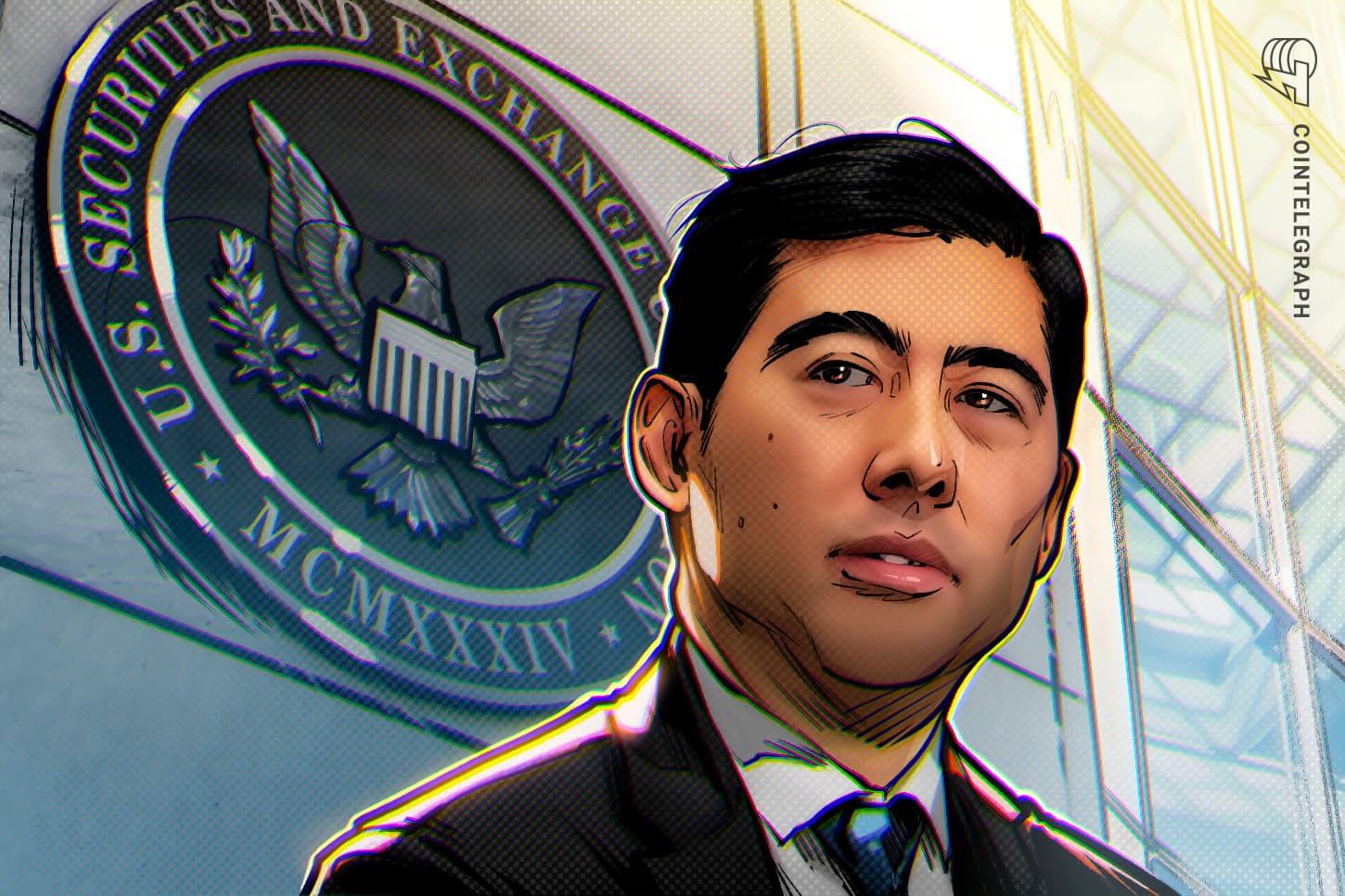
The Securities and Exchange Commission has issued a temporary innovation exemption that permits controlled tokenized US stock trading on blockchain-based venues. This marks a meaningful shift in regulatory stance, though the framework comes with strict guardrails designed to contain risk while the SEC observes market behavior.
What the Exemption Actually Covers
The innovation exemption permits onchain trading of tokenized US stocks through designated venues, but with significant limitations. Trading caps remain in place to prevent excessive volume concentration, while enhanced transparency requirements ensure the SEC maintains full visibility into transaction flows and market activity. The exemption isn't a blank check—it's a carefully constructed sandbox designed to let the crypto market prove it can handle equity tokenization responsibly.
The framework applies specifically to venues facilitating tokenized stock trades, requiring them to implement robust surveillance systems and comprehensive reporting mechanisms. Participants must demonstrate compliance with existing securities regulations while operating within the new tokenized environment. This dual-layer approach—traditional regulatory compliance plus new onchain-specific requirements—reflects the SEC's cautious but pragmatic approach to crypto innovation.
Why This Matters for the Market
This exemption signals the SEC recognizes tokenized securities as a legitimate market evolution, not merely speculative crypto experimentation. The agency isn't approving tokenized stocks outright; rather, it's creating a controlled testing ground. For traders and portfolio managers, this opens new operational possibilities: fractional ownership of major US stocks on blockchain networks, potentially faster settlement times, and 24/7 trading accessibility.
The trading caps embedded in the exemption prevent any single token-based stock from capturing excessive market share, protecting traditional equity markets from disintermediation risks. This conservative stance protects the existing financial infrastructure while enabling innovation—precisely the balance institutional investors and regulators want to see.
The Transparency Piece
One of the exemption's most significant requirements involves real-time reporting and surveillance obligations. Venues must track and report all tokenized stock transactions to regulatory authorities, maintaining the transparency standards expected in traditional equity markets. This data collection enables the SEC to monitor whether tokenized trading venues are cannibalizing volume from conventional exchanges or creating genuine new market value.
For crypto analysis professionals, these reporting requirements mean we'll finally have clean data on how tokenized equities actually perform. No more speculation—the SEC will publish the evidence, allowing us to calibrate our market intelligence accordingly.
Timeline and Next Steps
The exemption operates temporarily, giving the SEC a defined period to evaluate outcomes before deciding on permanent rules. This sunset mechanism is crucial: it prevents regulatory capture while ensuring the agency can pivot quickly if problems emerge. Venues operating under the exemption must comply with all reporting obligations and maintain comprehensive audit trails.
The crypto market should expect heightened scrutiny during this period. Any market manipulation, system failures, or compliance lapses will ripple back to policymakers shaping the permanent regulatory framework. This exemption's success or failure could determine whether tokenized securities become mainstream infrastructure or remain niche.
Alpha Take
This exemption represents genuine regulatory progress—the SEC is moving beyond blanket rejections toward evidence-based policy. For portfolio management, tokenized stocks could eventually offer settlement efficiency and accessibility benefits, but the caps and transparency requirements mean growth will be gradual. Watch how institutional crypto trading venues respond over the next quarters; their adoption rates will signal whether tokenized equities are solving real problems or chasing crypto hype.
Originally reported by
CoinTelegraph
Not financial advice. Crypto investing involves significant risk. Past performance does not guarantee future results. Always do your own research.