
SEC Postpones Crypto Regulation Decision as Legislative Uncertainty Mounts
The SEC has delayed its planned meeting on crypto rule-making, citing an "unforeseen scheduling issue" with no replacement date currently scheduled. The timing is significant—coming just days after the Senate failed to advance the FIT21 Clarity Act, leaving the regulatory landscape in limbo.
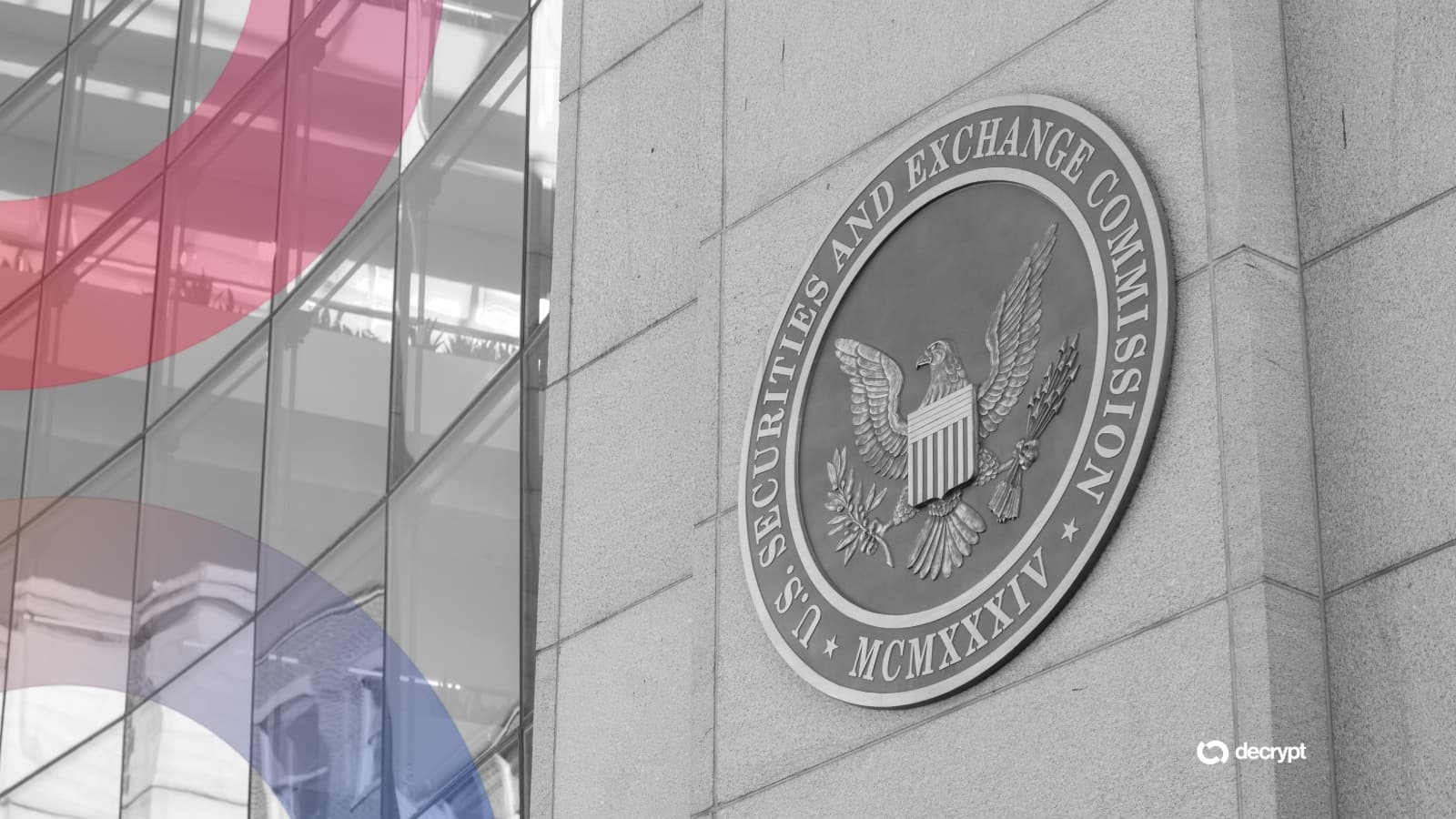
The SEC has delayed its planned meeting on crypto rule-making, citing an "unforeseen scheduling issue" with no replacement date currently scheduled. The timing is significant—coming just days after the Senate failed to advance the FIT21 Clarity Act, leaving the regulatory landscape in limbo.
We're watching a regulatory stalemate unfold in real time. The SEC's postponement suggests internal hesitation around finalizing crypto rules while Congress remains divided on how to approach digital asset oversight. This isn't just bureaucratic shuffling; it reflects deeper uncertainty about where federal authority over crypto actually lies.
What Led to This Delay?
The meeting cancellation follows Senate action that effectively stalled FIT21, which would have provided clearer delineation between SEC and CFTC jurisdiction over crypto assets. Without legislative guidance, the SEC appears reluctant to move unilaterally on comprehensive crypto regulations. That's a shift from the agency's more aggressive posture over the past two years.
Industry observers note this creates a de facto holding pattern. Crypto market participants have been bracing for increased regulatory pressure, but this delay suggests enforcement may take precedence over new rule frameworks in the near term. The uncertainty cuts both ways—it removes immediate regulatory risk, but it also prevents the kind of clarity that institutional investors have been demanding.
The Bigger Picture
This moment encapsulates the broader tension in crypto policy. The Senate's inability to move FIT21 signals that bipartisan agreement on digital asset regulation remains elusive. Republicans generally favor lighter-touch frameworks that preserve innovation, while some Democrats push for stricter consumer protections. The SEC, caught between these positions, appears to be waiting for political winds to shift.
We've seen this pattern before: regulatory agencies often pause major initiatives when legislative certainty evaporates. The SEC likely calculated that moving forward without Congressional clarity would invite litigation and political backlash from whichever side felt disadvantaged by the rules.
What This Means for Crypto Markets
For bitcoin, ethereum, and the broader crypto trading ecosystem, this postponement is a mixed signal. Short-term, it removes a near-term regulatory overhang that could have sparked selling. Longer-term, the lack of clarity keeps institutional adoption constrained—many funds still hesitate to build major crypto positions without regulatory predictability.
The portfolio implications are worth monitoring. If this delay extends into next year, we could see sustained regulatory uncertainty that keeps traditional finance players on the sidelines. Conversely, if Congress eventually passes FIT21 or similar legislation, we'd likely see a rush of institutional capital into crypto assets that finally have clear regulatory status.
The crypto analysis community has been split on whether regulatory delay is bullish or bearish. Our read: it's bullish for bitcoin and ethereum believers betting on eventual mainstream adoption, but bearish for projects operating in gray areas that need regulatory clarity to scale.
Alpha Take
The SEC's meeting postponement isn't a minor scheduling quirk—it's a signal that crypto regulation remains politically fraught. Until Congress and the executive branch align on digital asset oversight, expect continued regulatory limbo. For traders and portfolio managers, this window of uncertainty could present opportunities for positions in assets with clear compliance paths, while staying cautious on tokens with ambiguous regulatory standing.
Originally reported by
Decrypt
Not financial advice. Crypto investing involves significant risk. Past performance does not guarantee future results. Always do your own research.