
SEC Rolls Out Innovation Exemption as Congressional Gridlock Triggers Regulatory Action
The Securities and Exchange Commission finally unveiled its innovation exemption framework, framing the move as Washington's answer to legislative paralysis around crypto and digital assets. This regulatory maneuver signals the SEC's willingness to act unilaterally when Congress won't—a significant
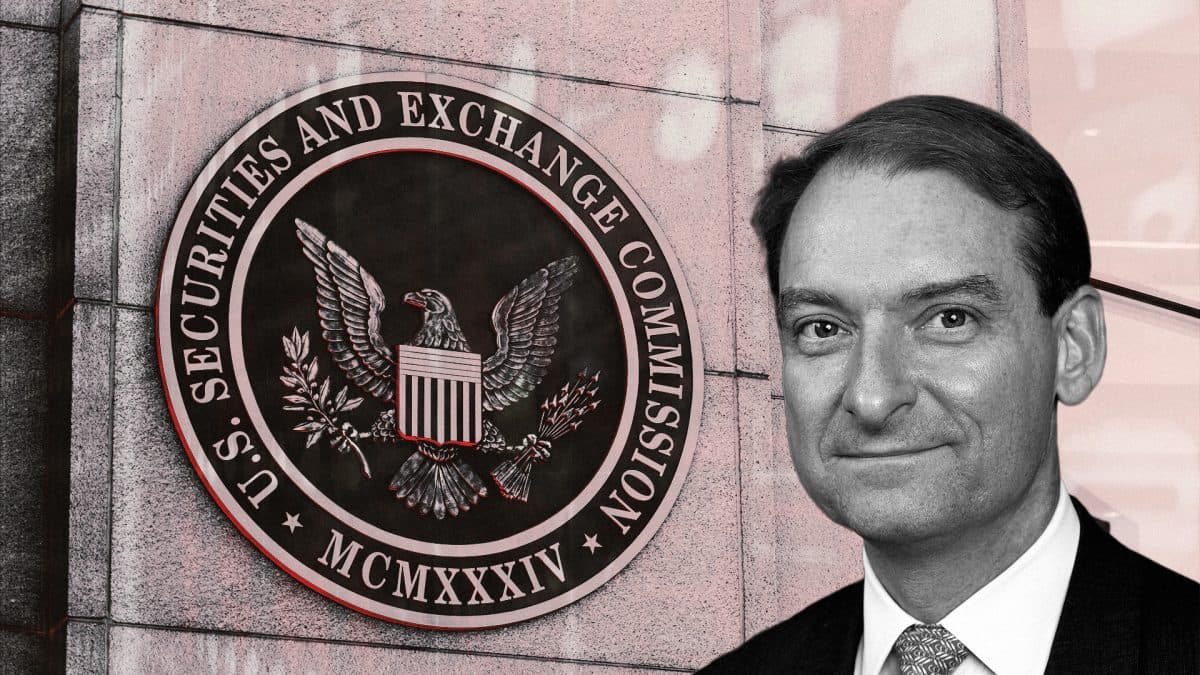
The Securities and Exchange Commission finally unveiled its innovation exemption framework, framing the move as Washington's answer to legislative paralysis around crypto and digital assets. This regulatory maneuver signals the SEC's willingness to act unilaterally when Congress won't—a significant shift in how federal authorities approach blockchain technology oversight.
The regulatory workaround
Here's what matters: the SEC designed this exemption to create pathways for digital asset innovation without waiting for comprehensive legislation to materialize. The agency positioned the measure explicitly as a response to the Senate's inability to pass meaningful crypto regulation. When legislative gridlock persists, regulators fill the vacuum—and that's exactly what's happening here.
The innovation exemption represents an attempt to "bring America's capital markets into the digital age," according to SEC officials. Translation: the SEC recognizes that other jurisdictions are moving faster on crypto infrastructure, and the U.S. risks falling behind if markets don't evolve. This framework gives companies more flexibility to experiment with tokenization, digital securities, and blockchain-based trading systems under specific conditions.
Why this matters for traders and investors
This exemption changes the calculation for both institutional and retail participants in crypto markets. By carving out regulatory relief zones, the SEC is essentially creating sandbox-like conditions where market innovation can accelerate. Projects that previously faced outright rejection now have clearer pathways to operate within U.S. markets.
The timing is crucial. Bitcoin and ethereum have dominated institutional conversation for years, but the digital assets ecosystem extends far beyond major cryptocurrencies. Tokenized securities, stablecoins, and decentralized finance protocols all benefit from regulatory certainty. The innovation exemption addresses real pain points in crypto trading and portfolio management that sophisticated investors have flagged repeatedly.
The political subtext
Don't miss the political dimension here. The SEC's move underscores Congress's failure to deliver on crypto legislation despite years of promises. Multiple Senate bills targeting digital asset regulation have stalled. By acting through exemption authority, the SEC is signaling that federal crypto policy doesn't require congressional consensus—at least not anymore.
This framework also reflects evolving power dynamics within regulatory agencies. The SEC recognizes that complete prohibition isn't feasible when global capital markets are already migrating to blockchain infrastructure. Strategic exemptions allow the agency to maintain relevance while enabling market evolution.
What comes next
Expect market participants to begin testing the boundaries of this exemption immediately. Early movers will use it to launch new digital asset products, expand tokenization efforts, and build infrastructure that was previously off-limits. The exemption won't solve every regulatory headache, but it substantially reduces friction for legitimate market innovation.
For crypto portfolio managers and trading firms, this is material. It opens doors to institutional-grade products and market infrastructure that have been stuck in regulatory limbo. Ethereum and other blockchain networks benefit from clearer operating frameworks in U.S. markets.
Alpha Take
The SEC's innovation exemption reflects market reality catching up with regulatory thinking. Congress failed to act, so the agency found authority to move forward independently. This framework won't revolutionize crypto markets overnight, but it materially improves the risk-reward calculus for institutions building digital asset infrastructure. Watch for major announcements from fintech firms and legacy financial institutions looking to launch compliant blockchain products within the exemption guidelines.
Originally reported by
The Block
Not financial advice. Crypto investing involves significant risk. Past performance does not guarantee future results. Always do your own research.