
SEC Signals Green Light on Token Buybacks—A Major Win for Crypto Networks
The regulatory landscape just shifted noticeably. With Gary Gensler's tenure at the SEC in the rearview mirror, the agency is finally laying out clear ground rules for what crypto protocols can actually do with their native tokens.
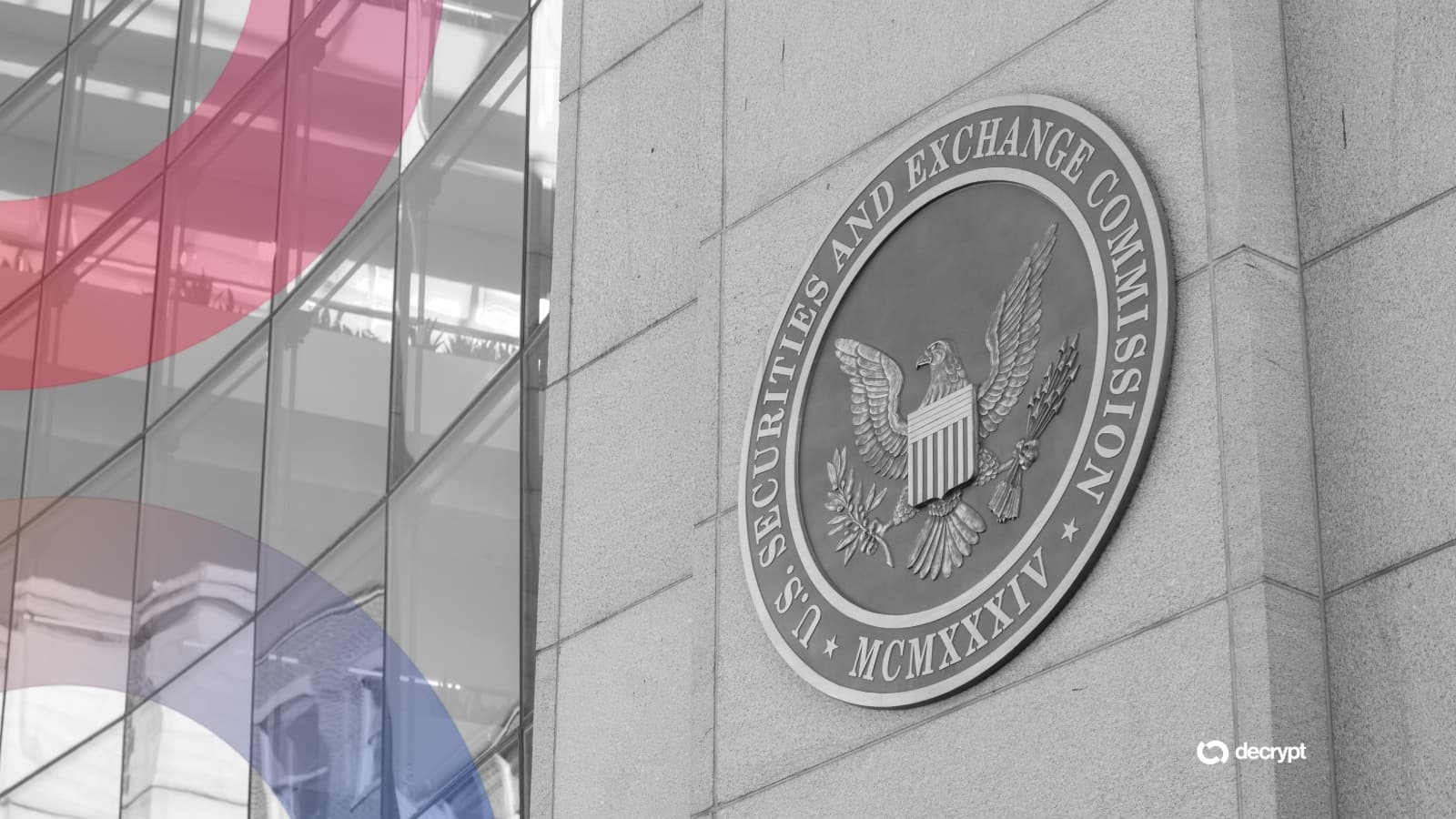
The regulatory landscape just shifted noticeably. With Gary Gensler's tenure at the SEC in the rearview mirror, the agency is finally laying out clear ground rules for what crypto protocols can actually do with their native tokens.
What's Actually Changing
Here's the practical impact: token buybacks—where protocols use treasury funds to repurchase their own tokens from the market—are now getting explicit SEC approval. This matters because protocols have been operating in a gray zone on this for years, unsure whether token repurchases could trigger securities regulations.
The SEC's clarity means crypto networks can now aggressively manage their token economics without constantly worrying about regulatory whiplash. Want to reduce circulating supply and support your token price? You can do that. Running a market buy program to strengthen community incentives? That's cleared.
Why This Matters for Crypto Markets
This isn't just bureaucratic noise. Token buybacks are a fundamental crypto trading tactic—they signal management confidence, support price floors, and demonstrate treasuries are being deployed strategically rather than sitting idle. For traders and portfolio managers tracking crypto assets, this removes a major overhang.
The approval also reflects a broader philosophical shift at the SEC. Rather than treating every token function as a potential securities violation, the agency is acknowledging that blockchain networks operate under different mechanics than traditional corporations. A buyback by a decentralized protocol isn't the same animal as a publicly traded company managing shareholder value.
The Regulatory Framework We've Been Waiting For
What we're seeing is the foundation of sustainable crypto regulation—rules that enable innovation rather than strangle it. Projects can now plan token economics with more certainty. This translates directly into better market intelligence for investors: when you know the regulatory boundaries, you can model risk more accurately.
The timing is critical. As crypto markets mature and institutions allocate more capital to digital assets, they demand regulatory certainty. Token buybacks represent a normal financial mechanism that institutional investors understand and expect. Getting this clarified removes friction from mainstream adoption.
Looking Ahead
Don't expect this to be the last clarification. The SEC appears committed to providing guidance on other token mechanics—staking rewards, governance participation, liquidity mining. Each clarification reduces uncertainty and makes the crypto market more predictable for sophisticated traders.
For protocol treasuries, this opens strategic doors. Teams can now execute capital allocation plans that would've triggered regulatory anxiety six months ago. We're moving from "what can we get away with?" to "here's what we can definitely do."
Alpha Take
This SEC pivot represents a watershed moment in crypto regulation. Token buybacks weren't controversial, but the lack of clarity was—it created decision paralysis for protocols managing billions in treasury assets. With explicit approval, expect protocols to become more aggressive in managing their token supplies, which could add support to depressed crypto valuations. For portfolio managers, this regulatory clarity makes crypto trading and market intelligence more grounded in actual rules rather than regulatory guesswork.
Originally reported by
Decrypt
Not financial advice. Crypto investing involves significant risk. Past performance does not guarantee future results. Always do your own research.