
Senate Advances Housing Legislation With Sweeping Four-Year Central Bank Digital Currency Freeze
The Senate voted 85-5 Monday to advance a bipartisan housing bill that includes a notable provision: a four-year moratorium on Federal Reserve development of a central bank digital currency (CBDC) through 2030. The measure now moves to the House for consideration.
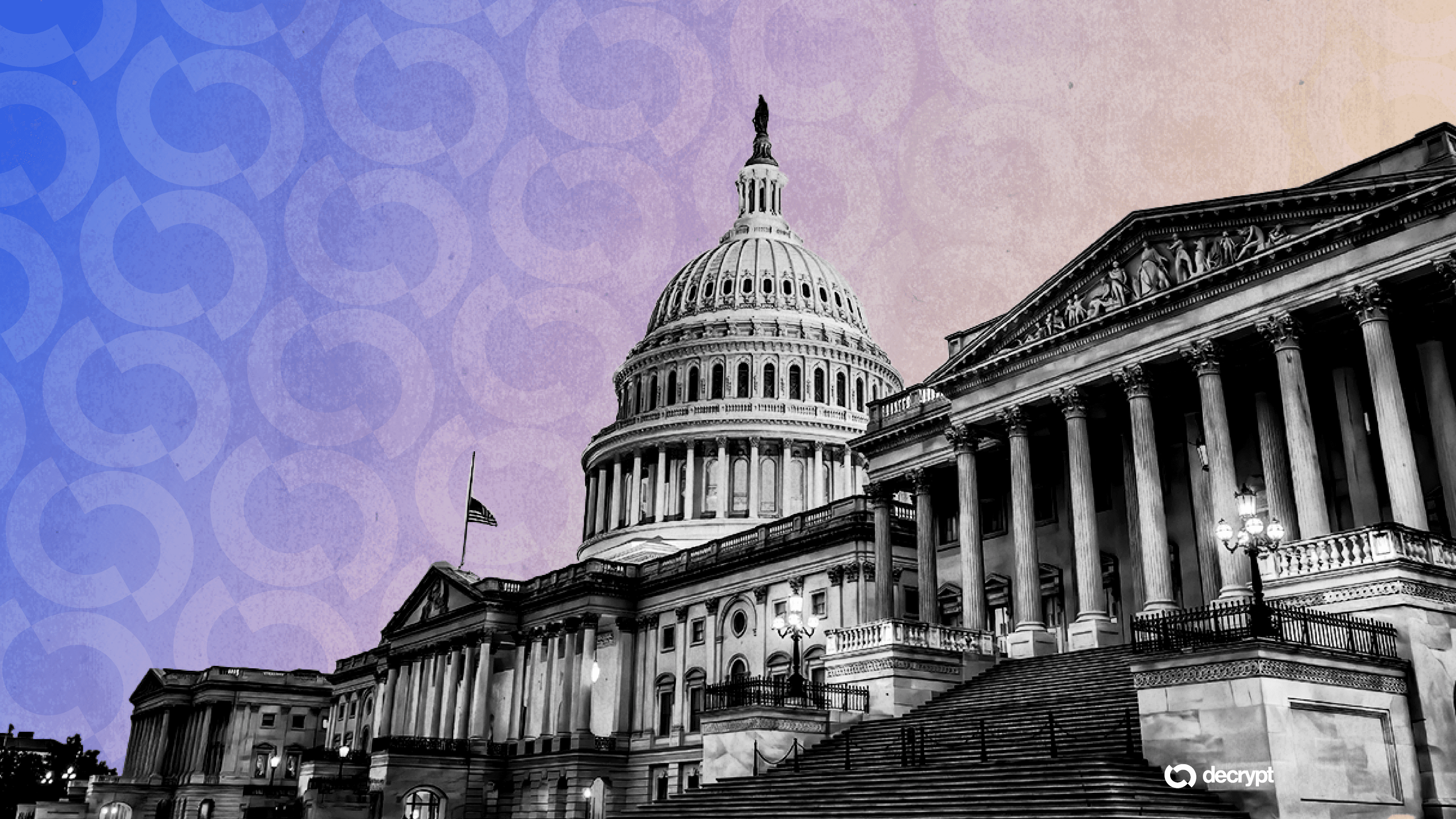
The Senate voted 85-5 Monday to advance a bipartisan housing bill that includes a notable provision: a four-year moratorium on Federal Reserve development of a central bank digital currency (CBDC) through 2030. The measure now moves to the House for consideration.
The overwhelming bipartisan support signals broad congressional skepticism about a Fed-issued digital dollar, even as crypto markets and blockchain technology continue reshaping financial infrastructure globally. The vote margin—85 senators backing the package despite its CBDC restrictions—reveals the political consensus around housing priorities outweighs disagreements over digital currency policy.
What the CBDC Ban Actually Does
The bill's language effectively halts the Federal Reserve from issuing or facilitating a digital dollar for four years. This prevents the Fed from launching a retail CBDC directly to consumers or building the infrastructure that would enable one. The freeze targets what many in Congress view as an unnecessary government foray into digital payments, where private crypto and blockchain solutions already operate.
For crypto traders and portfolio managers, this matters: a competing federal digital currency could theoretically reduce demand for bitcoin, ethereum, and other decentralized alternatives. By blocking a Fed CBDC through 2030, Congress removes that competitive pressure and implicitly validates market-based digital asset solutions.
Why Bipartisan Support Matters
An 85-5 vote isn't subtle. This level of agreement reflects genuine concern across both parties about Fed overreach into retail payments—a space where crypto and fintech companies have already gained traction. Republican skepticism of centralized monetary control aligns with crypto advocates' libertarian ethos, while some Democrats worry about surveillance implications of a government-controlled digital dollar.
The housing bill itself addresses affordability challenges through various mechanisms, but the CBDC provision steals headlines in crypto circles. Including this crypto-favorable language in must-pass housing legislation shows digital currency policy has moved beyond niche debate into mainstream congressional consideration.
Next Stop: The House
The Senate's decisive passage sets up a House vote, where similar bipartisan sentiment likely exists. If House members maintain the CBDC ban language, it becomes law with strong political backing—making reversal difficult for future administrations.
The timing matters too. As global central banks explore their own CBDCs, a US freeze signals American skepticism about government-issued digital money at precisely the moment when institutional crypto adoption accelerates. This regulatory clarity—even as a restriction—can benefit market intelligence for traders weighing macro crypto trends.
Alpha Take
We're watching a significant shift: Congress is explicitly choosing not to compete with decentralized digital assets through a Fed CBDC. For crypto analysis purposes, this four-year moratorium removes regulatory uncertainty and signals government acceptance of private blockchain solutions filling payment gaps. Monitor House proceedings closely—if they maintain this language, it's a long-term tailwind for bitcoin, ethereum, and institutional trading of digital assets. This isn't bullish hype; it's structural policy that reduces systemic competition to crypto's core value proposition.
Originally reported by
Decrypt
Not financial advice. Crypto investing involves significant risk. Past performance does not guarantee future results. Always do your own research.